
Key Takeaways
- Prioritize Professional Repair: Most types of clay tile roof repairs, especially underlayment or structural issues, require professional expertise and specialized tools to avoid expensive further damage.
- Monitor Roof Signs: Watch for cracked tiles, interior water stains, or loose tiles rattling. Address hidden underlayment damage like torn felt paper or sagging sections quickly.
- Repair Broken Tiles: For individual broken tiles, carefully lift surrounding pieces with pry bars, match replacement profiles, and secure them properly for a watertight seal.
- Practice Proactive Maintenance: Regularly remove debris, clean gutters at least twice a year, and ensure proper attic ventilation to significantly extend your clay tile roof’s lifespan.
Clay tile roofs stand among the most durable and visually striking roofing systems available, often lasting 50 to 100 years with proper care. However, even these robust materials eventually require attention due to age, weather damage, or structural issues. Understanding the various types of clay tile roof repairs becomes essential when homeowners notice cracked tiles, water intrusion, or deteriorating underlayment beneath the surface.
Assessing clay tile roof damage requires recognizing specific warning signs that indicate repair needs. Broken or cracked tiles represent the most obvious concern, but less visible issues like compromised underlayment or failed flashing can cause significant problems. Interior water stains, loose tiles rattling during high winds, and visible gaps on the surface of the roof all signal the need for immediate evaluation. Different repair methods address specific problems, from individual cracked clay tile replacement to underlayment restoration. Each type of damage has specialized techniques that preserve the roof’s structural integrity while maintaining its distinctive appearance. Professional assessment determines which clay tile roof maintenance solutions will effectively restore protection and extend the system’s lifespan.
Inspecting and Assessing Damage to Your Clay Tile Roof
Proper evaluation of clay tile roof damage begins with a systematic examination of visible tile surfaces and underlying components. Homeowners should look for cracked, chipped, or completely broken tiles that compromise the roof’s protective barrier. Displaced tiles that have shifted from their original position often indicate installation problems or wind damage requiring immediate attention. During inspection, checking for efflorescence, moss growth, or discoloration helps identify leaks that may signal deeper issues within the roofing system.
Beyond surface-level tile damage, assessing clay tile roof damage must include evaluation of hidden problems beneath the visible layer. The underlayment, which provides important waterproofing protection, deteriorates over time and may fail before the tiles themselves show significant wear. Signs of underlayment failure include water stains on interior ceilings, curled or damaged felt paper visible from underneath, and sagging sections of the roof deck. Clay roof tile underlayment repair often becomes necessary when broken clay tile repair methods alone cannot address moisture intrusion. Structural concerns like rotted roof decking or compromised rafters require professional assessment to determine appropriate clay tile roof maintenance solutions.
Replacing Individual Cracked and Broken Clay Tiles
When individual tiles sustain damage, targeted replacement offers an effective solution that preserves the surrounding roof structure. The removal process begins by carefully lifting the tiles positioned above the damaged piece using flat pry bars or specialized roofing tools. This technique prevents unnecessary stress on adjacent tiles that remain in good condition. Once access is established, the broken tile slides out from beneath the overlapping pieces. Workers must exercise caution during extraction to avoid creating additional cracks in neighboring tiles that could expand thescale of the repair.
Installing replacement tiles requires matching the profile, color, and dimensions of existing materials to maintain visual consistency across the roof’s surface. Securing methods vary depending on the original installation approach, with some systems using mortar beds while others rely on mechanical fasteners like clips or nails. Cracked clay tile replacement requires proper overlap alignment to ensure water channels away from vulnerable seams. After positioning the new tile, checking the surrounding area confirms that all pieces sit flush and secure. These broken clay tile repair methods restore weatherproofing while preserving the architectural character that defines clay tile roofing systems.
Repairing and Replacing Damaged Underlayment
Underlayment deterioration presents serious challenges since the waterproof membrane beneath clay tiles provides essential protection against leaks. When this barrier fails, moisture reaches the roof deck and interior spaces regardless of tile condition. Clay roof tile underlayment repair becomes necessary when inspection reveals torn, cracked, or rotted felt paper that no longer functions effectively. Localized damage sometimes allows for targeted patching, where workers remove only the tiles directly above the compromised section. This approach minimizes disruption while addressing specific problem areas without exposing the entire surface of the roof.
More extensive underlayment failure requires broader replacement work that involves removing larger tile sections to access deteriorated materials. Selecting appropriate underlayment products is important, as clay tile systems need membranes that withstand high temperatures and accommodate tile weight without degrading. Modern synthetic underlayment materials offer improved durability compared to traditional felt paper, providing enhanced moisture resistance and longer service life. The replacement process includes stripping away damaged underlayment, inspecting and repairing any affected roof decking, installing new waterproof barriers with proper overlap, and carefully reinstalling tiles in their original pattern. These clay tile roof maintenance solutions restore weather protection that extends the system’s functional lifespan.
Repairing Mortar and Flashing Around Clay Tile Roofs
Mortar deterioration at ridge caps and hip tiles creates vulnerabilities where wind-driven rain can leak into the roofing system. Over time, the cement-based material that secures these important components weakens due to thermal expansion, freeze-thaw cycles, and general weathering. Repointing involves removing crumbled or loose mortar and applying fresh material that bonds the tiles securely to the roof structure. This process prevents tile displacement during storms while eliminating pathways for leaks. Ridge and hip areas experience greater exposure to weather extremes, making regular mortar maintenance an essential component of clay tile roof maintenance solutions that protect these vulnerable transition zones.
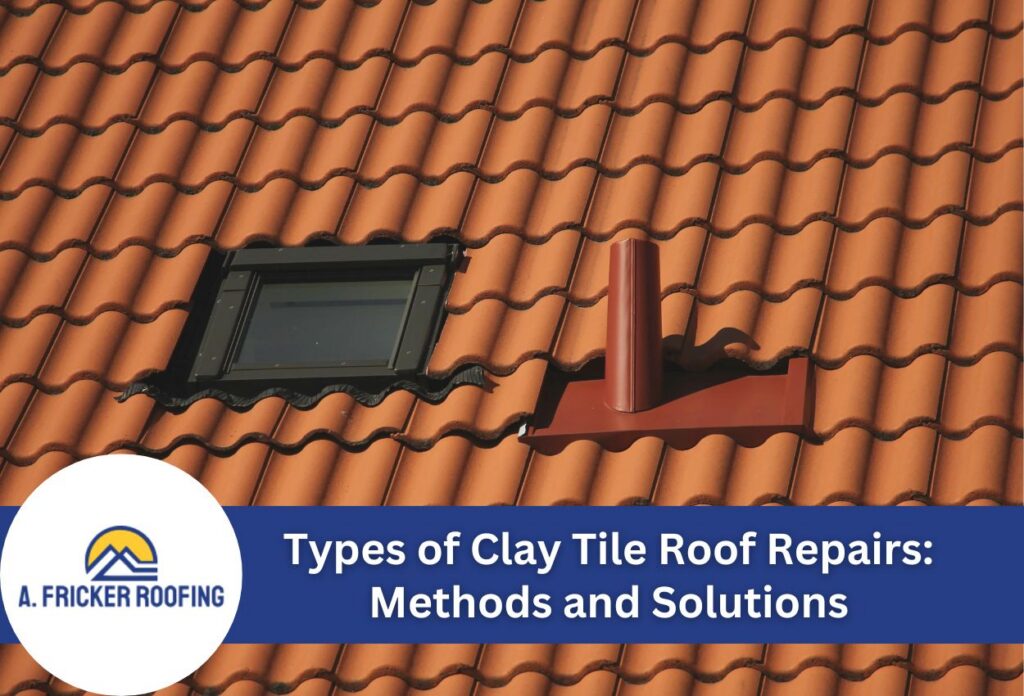
Flashing repairs address another common failure point where clay tiles meet chimneys, vent pipes, skylights, and valleys. Metal flashing components corrode or separate from roofing surfaces over time, creating gaps that allow moisture to bypass the tile system entirely. Proper repair methods involve removing tiles surrounding the gaps, installing new corrosion-resistant flashing materials, and ensuring adequate overlap between metal components and underlayment. Valley flashing requires particular attention since concentrated water flow increases the risk of leaks if seals fail. These types of clay tile roof repairs restore proper water diversion that channels moisture away from vulnerable joints and maintain the weathertight properties that are essential for long-term roof performance.
Preventive Maintenance to Minimize Future Repairs
Regular maintenance practices significantly reduce the frequency and severity of clay tile roof repairs throughout the system’s lifespan. Debris removal represents a fundamental task that prevents organic material accumulation between tiles, which traps moisture and accelerates underlayment deterioration. Fallen leaves, twigs, and pine needles create dams that redirect water flow into vulnerable areas rather than allowing proper drainage. Scheduling gutter cleaning at least twice a year ensures that water channels away from the roof edge without backing up under tiles. Periodic professional inspections identify minor issues like single cracked tiles or loose mortar before they expand into problems requiring extensive broken clay tile repair methods or clay roof tile underlayment repair.
Proper attic ventilation and maintenance contribute substantially to roof longevity by regulating temperature and moisture levels that affect both tiles and underlying materials. Adequate airflow prevents excessive heat buildup that degrades underlayment prematurely and reduces thermal stress on tiles. Controlling attic humidity minimizes condensation that saturates roof decking and accelerates rot. Checking ventilation systems, insulation condition, and signs of moisture intrusion during routine assessments helps preserve structural integrity. These proactive clay tile roof maintenance solutions extend service life while reducing repair frequency, making assessing clay tile roof damage part of a full preservation strategy rather than crisis management.
Choosing Between DIY and Professional Clay Tile Roof Repairs
Determining whether to attempt clay tile repairs independently or hire professionals depends on the complexity of the damage and safety considerations. Simple tasks like cleaning debris from tile surfaces or applying sealant to minor cracks may fall within a homeowner’s capabilities for those comfortable working at heights. However, most types of clay tile roof repairs require specialized knowledge and equipment that professional roofers possess. Walking on clay tile roofs without proper training risks breaking additional tiles, since these materials crack easily under concentrated weight. Cracked clay tile replacement requires understanding correct removal techniques and secure installation methods that prevent future displacement. Attempting complex, broken clay tile repair methods without experience often creates additional damage that increases overall repair costs.
Clay roof tile underlayment repair invariably requires professional expertise since accessing waterproof membranes involves extensive tile removal and precise reinstallation. Structural assessments for identifying rotted roof decking or compromised support beams exceed typical homeowner knowledge and safety equipment. Professional contractors experienced with clay tile systems bring specialized tools like tile lifters, scaffolding systems, and proper footwear that distribute weight safely across the surface of the roof. These specialists understand regional building codes and manufacturer specifications that govern proper repair execution, ensuring work meets performance standards that protect long-term investment value.
Selecting Qualified Clay Tile Roofing Contractors
Finding contractors with demonstrated clay tile expertise ensures repairs restore proper function while preserving curb appeal. Homeowners should verify that candidates maintain active licenses, current liability insurance, and workers’ compensation coverage that protects against financial responsibility for job site accidents. Requesting references from previous clay tile projects allows verification of workmanship quality and customer satisfaction. Experienced contractors readily provide examples of completed repairs similar to needed work, including before and after documentation that demonstrates their familiarity with assessing clay tile roof damage and implementing appropriate clay tile roof maintenance solutions.
Important questions help distinguish qualified professionals from general roofers lacking specialized tile experience. Asking about specific tile sourcing capabilities confirms that contractors can match existing profiles and colors for seamless cracked clay tile replacement. Inquiring about underlayment product preferences reveals knowledge of materials suited for clay tile applications. Contractors should explain their approach to protecting surrounding tiles during repair work and describe quality control measures that prevent unnecessary damage. Verifying warranty coverage for both materials and labor assures that repairs will perform as expected, with recourse available if problems develop after project completion.
Expert Clay Tile Roof Repairs in Your Area
If you’re noticing signs of wear or damage on your clay tile roof, don’t wait for the problem to get worse. A. Fricker Roofing and Waterproofing specializes in all types of clay tile roof repairs, from cracked tile replacement to underlayment issues and mortar repairs. Ensuring your roof’s longevity and functionality is our top priority.
Don’t risk the structural integrity of your home with DIY fixes. Contact A. Fricker Roofing and Waterproofing today at (918) 205-2468 to schedule an inspection and get your roof back in perfect shape. Protect your home by choosing the experts in clay tile roof repairs.