

TPO roofing systems have gained significant popularity among commercial building owners in Tulsa due to their exceptional durability, energy efficiency, and cost-effectiveness. These thermoplastic polyolefin membranes are particularly well-suited for Oklahoma’s varied climate, offering superior resistance to UV radiation, extreme temperatures, and seasonal storms that frequently challenge local structures. Before starting your TPO roof installation project, preparation is absolutely essential for the performance and longevity of your commercial roofing investment.
Thorough preparation directly impacts not only the immediate success of your TPO roof installation but also its long-term durability and warranty coverage. A well-executed preparation phase addresses everything from material selection and substrate evaluation to weather planning and crew coordination. Without these preliminary steps, even the highest quality TPO membrane can fail prematurely, potentially leading to expensive repairs and damage to your building’s interior.
Understanding the comprehensive pre-installation requirements for TPO roofing systems allows commercial property owners to make better decisions, establish realistic timelines, and ultimately achieve a high-performance roofing solution. Following a preparation checklist ensures that your new TPO membrane is correctly installed and will protect your building for decades to come.
Assessing Your Roof: Critical Evaluation Steps Before TPO Installation
Before any TPO membrane installation begins, a comprehensive assessment of your existing roof structure is essential. This evaluation serves as the foundation for a successful TPO roofing project and helps identify potential problems that could compromise your new roofing system’s performance. Tulsa commercial property owners should pay more attention to structural integrity given our region’s weather patterns.
Start with a thorough roof deck inspection to identify any compromised areas. Look for signs of water damage, rotting wood, rust on metal decking, or structural sagging that could indicate deeper issues. Any structural weaknesses must be addressed before the TPO installation can proceed, as they will only worsen over time and potentially void manufacturer warranties.
A drainage assessment is equally critical in TPO roof preparation. Proper water runoff prevents ponding water, which can stress roofing materials and create leakage points. Evaluate the current slope of your commercial roof and ensure all drains, scuppers, and downspouts are functioning correctly. Many flat roofs in Tulsa require tapered insulation systems to create positive drainage, especially on older buildings where settling may have occurred.
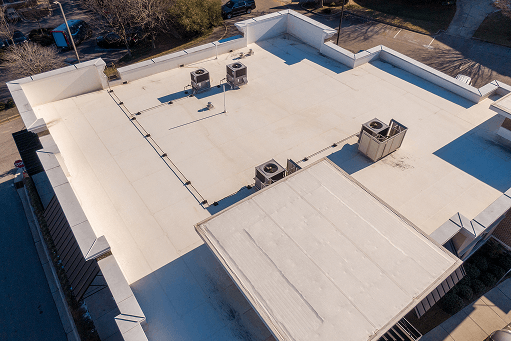
Document all existing penetrations, including HVAC units, vents, and skylights, as these areas require special detailing during TPO installation. This thorough assessment provides the roadmap for your TPO roofing project and helps create an accurate timeline for your commercial roof replacement.
TPO Membranes and Calculating the Amount Needed
Selecting the appropriate TPO membrane thickness is a crucial decision for your commercial roofing project. In Tulsa, where weather conditions range from intense summer heat to winter freezes, most commercial applications benefit from a 60-mil thickness for optimal durability and puncture resistance. Buildings with minimal roof traffic may use 45-mil, while high-traffic areas or roofs with extensive mechanical equipment should consider 80-mil for maximum protection.
The attachment method you choose significantly impacts your TPO roof’s performance. Mechanically attached systems work well for most Tulsa commercial buildings, providing excellent wind uplift resistance during Oklahoma’s storm season. Fully adhered systems offer superior protection for buildings in particularly exposed locations but require more intensive installation. Ballasted systems, using stone or pavers, provide another option for certain flat roof configurations.
Accurate measurement and material calculation prevent delays and waste. Calculate your roof’s square footage, then add extra for seams, overlaps, and flashing details. Don’t forget to account for parapet walls, penetrations, and roof-to-wall transitions. For insulation, determine the desired R-value based on energy code requirements and calculate the boards needed with minimal waste cuts. Your adhesive requirements vary based on attachment method — fully adhered systems generally require more adhesive compared to other attachment methods. For mechanically attached systems, calculate fastener quantities based on wind uplift requirements specific to Tulsa’s weather patterns.
Before the Installation: Site Preparation and Safety Protocols
Site preparation is a critical step that directly impacts the success of your TPO roofing project. Before installation begins, thoroughly clean the roof surface by removing all debris, dirt, and loose materials. This cleaning process ensures proper adhesion and prevents damage to the new membrane. For Tulsa commercial buildings, establish clearly marked staging areas for materials that won’t overload the structural capacity of the roof while providing efficient access for installation teams.
Safety must remain the top priority throughout the TPO installation process. Fall protection systems, including guardrails, personal fall arrest systems, and safety nets, should be installed according to OSHA regulations. Monitor forecasts carefully and postpone work during high winds, rain, or when lightning is present. Temperatures below 40 degrees Fahrenheit can affect adhesive performance, so schedule installation during appropriate weather windows.
When handling TPO adhesives and sealants, make sure the area is ventilated to prevent the buildup of fumes. Store these materials based on the manufacturer’s recommendations, typically in cool, dry locations away from direct sunlight. Fire safety measures include keeping fire extinguishers readily accessible and establishing clear protocols when welding equipment is in use. Hot-air welding equipment used for TPO seams requires proper training and careful handling to prevent burns or fire hazards. Creating a comprehensive pre-installation checklist helps Tulsa commercial property owners verify all preparation steps have been completed before the TPO membrane installation begins.
Weather Planning and Timing for TPO Roof Installation
Successful TPO roof installation requires careful attention to weather conditions, particularly in Tulsa’s variable climate. Ideal installation temperatures range between 40 and 80 degrees Fahrenheit, as extreme temperatures can compromise adhesive performance and membrane flexibility. Summer mornings offer optimal conditions in Tulsa, allowing crews to complete heat-sensitive work before afternoon temperatures rise. Humidity levels should remain below 80% for maximum adhesion and to prevent moisture from being trapped between layers.
Seasonal planning is essential for a successful TPO installation. Spring and fall typically provide the most consistent weather windows in Tulsa, though spring storms may cause interruptions. While summer offers extended daylight hours, extreme heat can complicate installation and affect worker productivity. Winter installations are possible but require special considerations for material handling and seaming techniques when temperatures drop.
Implementing a reliable weather monitoring system is crucial for TPO installation projects. Professional roofing contractors closely follow forecasts to anticipate weather changes that might affect installation. Developing contingency plans for sudden weather shifts includes having appropriate tarps and temporary sealing materials ready to protect exposed areas. Sectional installation strategies limit the amount of roof exposed at any given time, reducing vulnerability to unexpected weather events. For larger commercial projects in Tulsa, phased installation approaches allow work to progress safely while maintaining building protection throughout the process.
Preparing the Substrate and Insulation for TPO Membrane Application
A correctly prepared substrate is the foundation of every successful TPO roofing system. For Tulsa commercial buildings, thorough substrate cleaning involves removing all loose debris, dirt, and existing fasteners that could puncture the new membrane. Power washing may be necessary for heavily soiled surfaces, but make sure the roof is completely dry before moving on to the next step. Any remaining contaminants, like oil or grease, require specialized cleaning solutions to prevent chemical reactions with the TPO membrane that could compromise adhesion.
Substrate repairs must address any structural issues before installation continues. Fill and level depressions that could collect water, repair cracked concrete, and replace deteriorated wood decking. For metal decks common in Tulsa commercial buildings, address rust spots and ensure all panels are securely fastened to prevent future movement that could stress the membrane.
Insulation board installation plays a critical role in energy efficiency and provides the smooth surface necessary for optimal TPO performance. Boards should be installed in a staggered pattern with joints tightly butted together. In Tulsa’s wind-prone environment, proper fastening patterns are essential — the number needed depends on building height and location. Fasteners should be driven flush without over-driving, which can create depressions in the insulation surface.
Create a smooth transition at roof edges, penetrations, and between insulation boards by installing appropriate tapered edge strips. This attention to detail during the preparation phase significantly enhances both the installation quality and long-term performance of your TPO roofing system.
Final Pre-Installation Checklist and Quality Control
Before the TPO membrane installation begins, a comprehensive verification process ensures all elements are in place for a successful roofing project. Start by confirming all ordered materials have arrived on-site, including the correct TPO membrane thickness, adhesives, fasteners, flashing materials, and termination bars. Verify quantities against your calculations to prevent mid-installation delays that could expose your Tulsa commercial building to unexpected storms.
Equipment verification is equally important. Check that all hot-air welders, hand rollers, seam probes, and cutting tools are operational and calibrated according to manufacturer specifications. This prevents downtime and quality issues during the installation. Moisture testing of the substrate must be performed even after visual inspection confirms dryness, as trapped moisture can cause blistering and adhesion failures in TPO systems.
Quality control measures should include pre-installation adhesion testing in multiple roof areas to verify compatibility between adhesives and substrates. Document these tests with photographs that can support warranty claims if needed. Create a detailed installation sequence document outlining critical steps, including specific details for penetrations, corners, and transitions that require special attention.
Establish inspection checkpoints throughout the installation process, with documentation of each completed phase. This quality control is useful for both warranty validation and future reference. Commercial building owners in Tulsa should request copies of all quality control records, testing results, and manufacturer inspection reports for their permanent building records.
Trust A. Fricker Roofing and Waterproofing for Your TPO Roof Installation in Tulsa
Ready to begin your TPO roof installation? Ensure your commercial building benefits from the highest quality workmanship and materials by choosing A. Fricker Roofing and Waterproofing. Our team is expertly trained in the latest TPO installation techniques specifically for commercial buildings in Tulsa.
Don’t let improper preparation compromise your investment. From assessing your current roofing system to final quality control checks, our process ensures your TPO roofing project is executed flawlessly. Maximize the longevity and performance of your roof by entrusting it to the professionals. Call A. Fricker Roofing and Waterproofing today at (918) 402-7167 to take the first step towards a durable, efficiently installed TPO roof.