
What Are the Best Tornado-Proof Roofing Options for Oklahoma Homes in Tornado Alley?
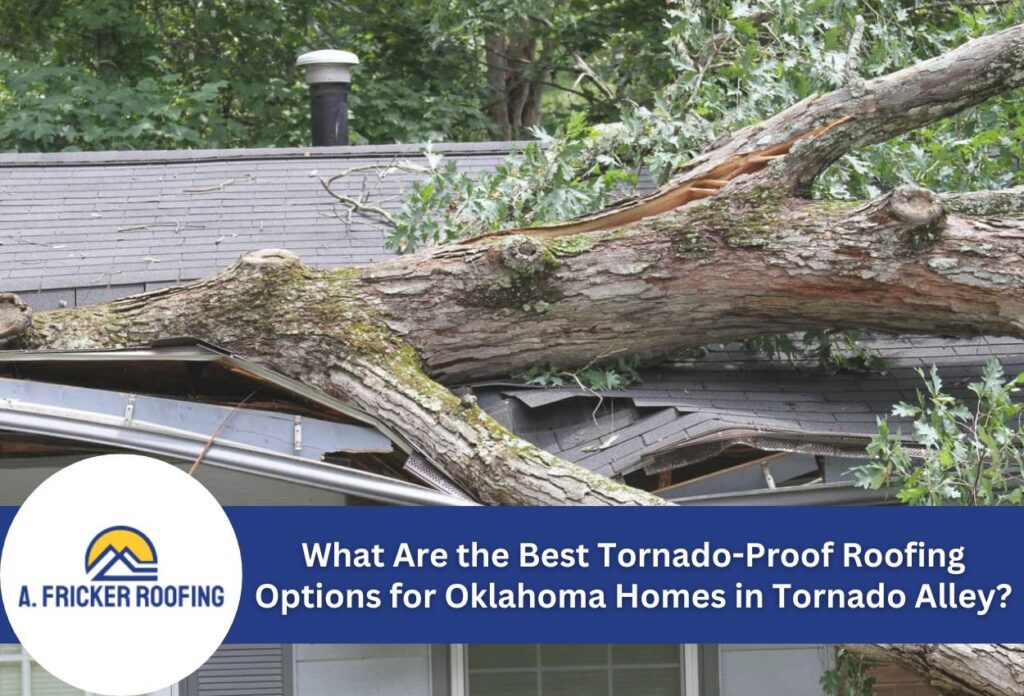

Tulsa and northeastern Oklahoma average 60 to 70 thunderstorm days per year and sit within one of the highest tornado-frequency corridors in the U.S., making the roof over your head one of the most storm-tested parts of your home. That kind of exposure demands more than a standard shingle job. The right roofing system can mean the difference between minor repairs and a full roof replacement after a major storm.
Three roofing systems stand out for tornado-prone Oklahoma homes: Class 4 impact-resistant shingles, standing seam metal roofing systems, and stone-coated steel. Wind ratings across these systems range from 110 to 160+ mph depending on the product, with varying costs, appearances, and lifespans worth comparing before you commit.
Which Roofing Materials Actually Perform Best in High-Wind and Hail Conditions?
For the best roofing materials in tornado-prone areas of Oklahoma, Class 4 impact-resistant architectural shingles and standing seam metal roofing systems outperform every other common option, with standard 3-tab shingles sitting at the bottom of every meaningful performance category.
| Material | Wind Rating (mph) | Impact Resistance Class (UL 2218) | Estimated Lifespan (years) | Hail Performance |
|---|---|---|---|---|
| Standard 3-tab asphalt shingles | 60 to 70 mph | Class 1 to 2 | 15 to 20 years | Cracks or dents at 1-inch hail: serious damage risk |
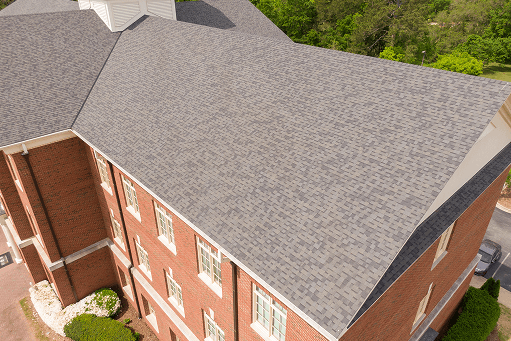
| Class 4 architectural asphalt shingles | 110 to 130 mph | Class 4 (highest rating) | 25 to 30 years | Resists cracking at 2-inch hail: meets highest UL 2218 standard |
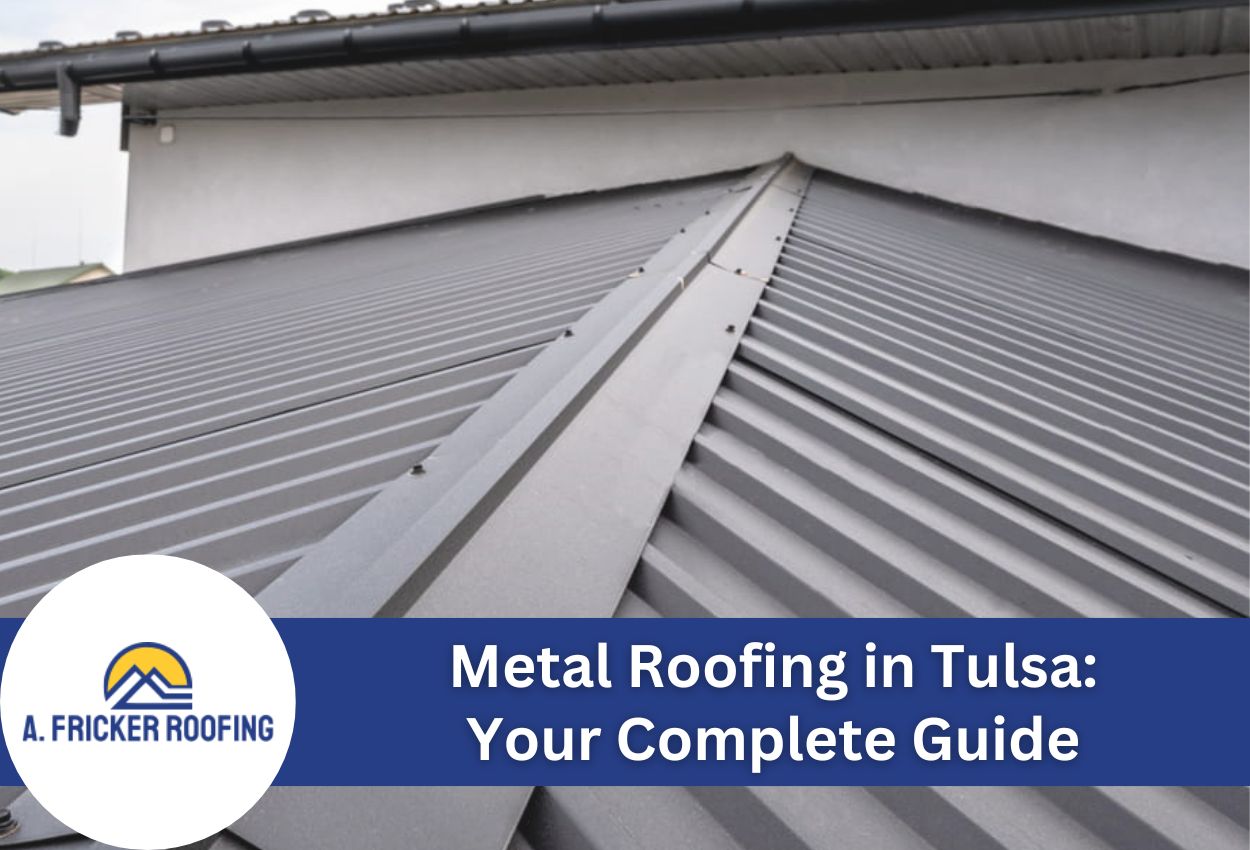
| Standing seam metal roofing systems | 150 to 160 mph (when properly installed) | Class 4 | 40 to 70 years | Dents possible but panels rarely breach: low leak risk |
| Stone-coated steel | 120 to 150 mph | Class 4 | 40 to 50 years | Steel core resists major damage: coating reduces surface damage |
Standard 3-tab shingles, rated to just 60 to 70 mph wind uplift, are a high-risk choice for Tulsa’s severe convective storm exposure. They can fail in conditions that Class 4 architectural shingles are built to handle. Standing seam metal roofing’s wind warranty of up to 150 to 160 mph when properly installed makes it the strongest all-around performer for Oklahoma homes in high-wind and hail corridors. Homeowners replacing a damaged roof in Tulsa should treat Class 4 as the minimum acceptable impact resistance rating, not an upgrade.
How Do You Actually Tornado-Proof Your Roof in Oklahoma Beyond Just Shingles?
True tornado resistance starts below the shingles: structural fastening, framing connections, roof geometry, and sealed edges matter as much as the surface material you choose.
- Upgrade your shingle fastening pattern: A 6-nail fastening pattern holds shingles more securely than the standard 4-nail pattern, reducing wind uplift failure in high wind storms. Pair this with ring-shank nails instead of smooth-shank nails for a stronger mechanical grip into the roof decking.
- Use synthetic underlayment rated for 100+ mph temporary exposure: If shingles are torn away during a storm, synthetic underlayment keeps the roof deck protected until repairs are made. Standard felt tears and saturates far faster under those same conditions.
- Install hurricane straps or rafter ties: These metal connectors tie your roof framing directly to the wall structure below. Without them, strong uplift forces can separate the entire roof structure from the walls even when the shingles themselves remain intact.
- Consider a hip roof geometry: Hip roofs reduce wind uplift by 30 to 40% compared to gable roofs under the same wind pressure. For Tulsa homeowners replacing a roof after tornado damage, switching from a gable to a hip design is one of the most meaningful structural improvements available.
- Seal edges, valleys, and ridge caps with self-adhering underlayment: Edge and corner zones experience wind uplift pressures 2 to 3 times higher than field zones. Applying a self-adhering ice-and-water barrier at these high-stress areas is a recommended best practice that standard installation often skips.
No single upgrade tornado-proofs a roof on its own. Combining stronger fastening, proper framing connections, and sealed high-pressure zones gives Oklahoma homes a layered defense that surface materials alone cannot provide.
What Are Oklahoma’s Code and Insurance Requirements for Impact-Resistant Roofing?
Oklahoma requires statewide licensing for any contractor performing compensated roofing work, and the City of Tulsa requires permits for reroofing projects that meet certain job scale thresholds. Homeowners should confirm permit requirements with their contractor before work begins to avoid compliance issues down the road.
Tulsa building inspections apply to permitted roofing work, and using a licensed, insured local contractor protects homeowners from personal liability while ensuring the job meets current International Residential Code wind provisions adopted in Oklahoma. Cutting corners on licensing or permits can leave a homeowner responsible for unpermitted work. A problem that surfaces fast during a home sale or insurance claim.
On the insurance side, the financial case for Class 4 impact-resistant shingles is real and measurable. Roofs carrying a Class 4 UL 2218 rating may qualify Oklahoma homeowners for annual insurance premium discounts of 20% to 30% with many carriers, a savings that can offset part of the higher upfront material cost over time. That discount is not automatic. Homeowners should contact their insurance carrier directly before selecting materials to verify what documentation is required and whether their specific policy includes the discount. Not every insurer applies the same reduction, and some require pre-approval before installation to honor the credit.
Treating Class 4 as the minimum standard, not an upgrade, makes sense both structurally and financially for Tulsa homeowners replacing a roof after storm damage. Our insurance claim assistance service can help homeowners navigate the documentation process to secure the discounts and coverage they’re entitled to.
Which Type of Roofing System Is Strongest for High-Wind Areas and How Do You Choose the Right One?
The right roofing system for a high-wind Oklahoma home depends on your budget, your roof’s geometry, and the condition of your existing roof decking, but standing seam metal and stone-coated steel lead every other option in long-term wind performance, with wind ratings reaching 150 to 160 mph when properly installed.
- Budget-conscious replacement: Class 4 architectural shingles are the recommended starting point, offering 110 to 130 mph wind resistance and a 25 to 30 year lifespan at a lower upfront cost than metal options. They also carry the Class 4 UL 2218 rating that may qualify you for 20% to 30% insurance premium discounts. Explore your options through our asphalt shingle roofing materials page.
- Maximum longevity priority: Standing seam metal roofing system is the top performer, with a 40 to 70 year lifespan and wind ratings up to 150 to 160 mph. It costs more upfront but requires fewer repairs over time.
- High-wind area with an existing gable roof: Stone-coated steel roofing rated at 120 to 150 mph pairs well with a hip roof conversion. Hip roofs reduce wind uplift by 30% to 40% compared to gable designs: combining both upgrades gives you a stronger overall system.
- Post-tornado full replacement: Standing seam or stone-coated steel with enhanced roof decking fastening is the recommended approach. Homes built before the 1990s in Tulsa may have 3/8-inch roof decking that should be upgraded to 5/8-inch OSB or plywood to maximize fastener holding strength.
Before selecting any system, ask your contractor three qualifying questions: What is the wind warranty in mph? Is the product UL 2218 Class 4 rated? Does the install include enhanced decking fastening and sealed underlayment? Roof pitch, attic ventilation, and the existing roof deck’s condition all affect which system is actually feasible for your home. Get those answers in writing before signing a contract.
What Does a Tornado-Resistant Roof Replacement Actually Cost in Tulsa and What’s the ROI?
Upgrading to a Class 4 impact-resistant roof in Tulsa costs more upfront than standard asphalt, but the 20-year cost of ownership often runs lower when insurance savings and longer replacement cycles are factored in together.
| Roofing System | Installed Cost per Square (100 sq ft) | Estimated Lifespan (years) | Avg. Annual Insurance Savings (Class 4 rated) | Est. 20-Year Cost of Ownership* |
|---|---|---|---|---|
| Standard asphalt shingles | $250 to $350 | 15 to 20 years | None | Highest replacement likely needed within 20 years: no discount offset |
| Class 4 architectural asphalt shingles | $350 to $500 | 25 to 30 years | 20% to 30% premium discount (carrier dependent) | Lower than standard one replacement cycle: savings reduce net cost by $3,000 to $7,000+ |
| Stone-coated steel | $600 to $900 | 40 to 50 years | 20% to 30% premium discount (Class 4 rated) | Lower long-term no replacement within 20 years: sustained insurance savings |
| Standing seam metal roofing system | $800 to $1,200 | 40 to 70 years | 20% to 30% premium discount (Class 4 rated) | Lowest long-term manufacturer warranties of 30 to 50 years: highest upfront, lowest per-year cost |
*Estimates based on an average 2,000 sq ft Tulsa home, factoring replacement cycles and insurance discount accumulation over 20 years.
Oklahoma homeowners replacing a roof after tornado or hail damage often file an insurance claim first, and that replacement moment is the best time to upgrade materials. Choosing a Class 4 system at that point can reduce out-of-pocket costs over the roof’s lifespan by $3,000 to $7,000+ on a typical Tulsa home when insurance discounts and fewer replacement cycles are counted together. Standing seam metal carries manufacturer warranties of 30 to 50 years versus 25 to 30 years for Class 4 architectural shingles and 15 to 20 years for standard asphalt, making lifespan a direct line item in the total investment calculation.
Standard asphalt shingles cost the least per square installed but carry the highest 20-year cost of ownership, making them the most expensive choice over time for Tulsa homeowners in a high-storm-frequency market. A. Fricker Roofing and Waterproofing can walk through the cost-versus-lifespan math for your specific home before you commit to a system.
When Is the Best Time to Schedule a Tornado-Proof Roof Replacement in Tulsa?
Late summer and early fall August through September are the best windows to schedule a roof replacement in Tulsa, with contractor backlogs running 4 to 10 weeks shorter than the April through June peak storm season. Roofing demand surges in spring after hail and tornadoes, and most Tulsa contractors are booked out fast. Scheduling outside that window means faster turnaround and better material availability.
Winter roofing in Tulsa is feasible, but it carries real risk. Asphalt shingle adhesive strips require temperatures above 40 degrees Fahrenheit to seal properly, and Tulsa’s winter lows regularly drop into the 30s, which can delay proper seal-down and affect warranty validity if installation is not managed carefully. A licensed contractor can work around cold temperatures using hand-sealing techniques, but homeowners should ask specifically how a contractor plans to handle low-temperature installs before signing anything.
Homeowners who experienced tornado or hail damage should not wait for an ideal installation window. Document damage within 30 days for insurance claims and schedule a professional residential roof inspection immediately, regardless of season. Waiting too long can complicate the claims process and leave the roof deck exposed to further water damage in the meantime.
Ready to Protect Your Tulsa Home With a Tornado-Proof Roof? Here’s Your Next Step.
Choosing a Class 4 impact-resistant roof now before next storm season can save Tulsa homeowners $3,000 to $7,000+ over 20 years through insurance discounts and fewer replacement cycles. A. Fricker Roofing and Waterproofing works with Tulsa homeowners on storm-resistant roofing systems, including Class 4 architectural shingles and standing seam metal roofing, and handles Oklahoma licensing and City of Tulsa permit requirements as part of the process. If you’re looking for a free roof inspection, give us a call.
Not ready to schedule? Learn more about emergency storm damage services.