

Warning Signs of Roof Valley Leaks: How to Spot and Address This Common Roofing Problem
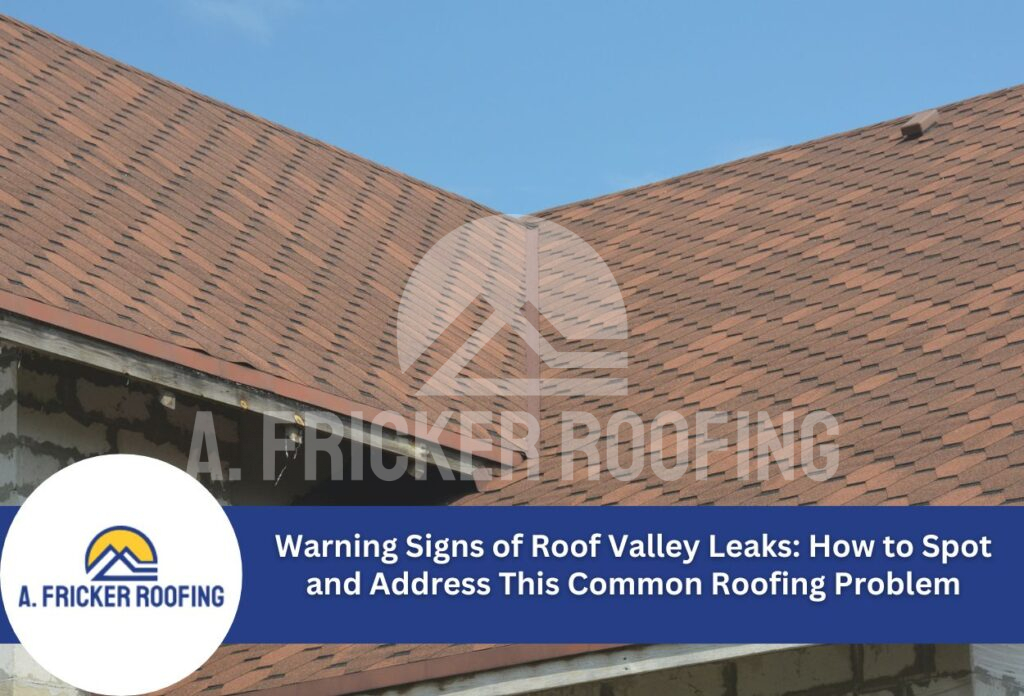
Roof valleys are critical components of your home’s roofing system, serving as the points where two roof planes meet. These V-shaped channels direct rainwater and melting snow toward your gutters and away from your home. However, their design makes them more susceptible to leaks and damage. For Tulsa homeowners, understanding the signs of roof valley leaks can be the difference between a simple repair and extensive structural damage.
Roof valleys handle high volumes of water during Oklahoma’s heavy rain, making them vulnerable to wear over time. When these valleys fail, water can penetrate your roofing system, damaging attic insulation, ceiling materials, and even your home’s structural framework. Detecting damaged roof valleys early is essential to maintaining your roof’s integrity.
The ability to identify roof valley deterioration allows homeowners to take action before small issues cause extensive damage. From water stains on interior ceilings to missing shingles near valley areas, these warning signs often appear before catastrophic failure occurs. By recognizing the common causes of roof valley leaks and understanding how to spot them, you can protect your home from significant water damage and avoid expensive emergency repairs.
Visual Indicators of Compromised Roof Valleys
Identifying roof valley problems early can save Tulsa homeowners significant expense and headaches. From ground level, several external warning signs can alert you to potential roof valley leaks. Look for missing, curled, or damaged shingles, specifically along valley areas. Water stains or rust streaks running down from valleys are clear indicators of ongoing water problems. You might also notice debris buildup in valleys, preventing water flow during Oklahoma’s heavy rainstorms.
Inside your home, ceiling discoloration often appears in distinctive patterns when roof valleys are the culprit. Unlike general roof leaks which may create circular water stains, valley leaks typically produce linear or elongated water marks that follow the direction of the valley above. Pay special attention to stains that appear after heavy rainfall but seem to dry between storms — this intermittent pattern is characteristic of valley failures.
Mold growth following the angle of roof intersections is another telltale sign of valley leaks. In your attic, inspect for wet insulation or water trails along rafters that align with valley positions. Wood rot or darkened decking beneath valley areas indicates long-term moisture exposure. These specific warning signs help distinguish roof valley problems from other roofing issues, allowing for targeted repairs by qualified Tulsa roofing professionals.
Weather-Related Impacts on Roof Valley Integrity
Tulsa’s climate can create specific challenges for roof valley maintenance. With Oklahoma experiencing some of the nation’s most severe thunderstorms, high winds, and frequent hail, roof valleys face accelerated wear compared to many other regions. These weather patterns can strip protective granules from shingles along valley areas, exposing the underlying materials to UV damage and water infiltration.
Hailstorms particularly target valleys as the impact forces water and debris into these channels. The concentrated water flow during heavy downpours can erode valley flashing or deteriorate the sealants used to protect these vulnerable areas. Winter freeze-thaw cycles create additional stress as water expands and contracts within small cracks, gradually widening them until they become pathways for leaks.
Strategically timing roof inspections based on Oklahoma’s seasonal patterns can help identify roof valley deterioration before major problems develop. Schedule professional evaluations in early spring after winter’s freeze-thaw cycles, and again in late fall after storm season. After severe weather, a prompt inspection specifically focused on valley areas can detect leaks before interior damage occurs. This proactive approach to identifying common causes of roof valley leaks saves Tulsa homeowners from extensive repairs and protects their property through Oklahoma’s challenging seasonal weather.
Materials and Design Factors Affecting Valley Performance
The construction method and materials used in your roof’s valleys significantly influence their longevity and how they fail when problems arise. Open valleys, where metal flashing remains visible, typically provide visual warning signs like rust, corrosion, or separating seams before serious leaking occurs. Closed valleys, where shingles overlap to conceal the flashing, often show subtler signs of failure such as premature shingle deterioration along valley edges or granule accumulation in gutters.
The material chosen also impacts valley performance. Copper valleys, while expensive, develop a green patina when aging normally but show bright copper exposure when failing. Aluminum valleys may develop chalky white oxidation before failing, while galvanized steel often shows rust streaks as an early warning. Asphalt-based materials in valleys tend to crack and curl at edges when reaching the end of their useful life.
The angle and design of your roof valleys also affect their vulnerability. Steeper valleys shed water more efficiently but may experience faster erosion from increased water velocity. Shallow-pitched valleys drain more slowly, potentially allowing water to back up under shingles during Tulsa’s intense summer thunderstorms. Professional roofers evaluate these design factors when detecting damaged roof valleys to determine the most appropriate repair strategy for your specific roofing system.
DIY Inspection Techniques for Valley Leak Detection
Homeowners can perform basic roof valley inspections between professional maintenance visits to catch problems early. Begin your attic inspection during daylight hours with the lights off, looking for pinpoints of light showing through the roof along valley areas. Bring a flashlight to examine rafters and decking where valleys intersect. Use the handle of a screwdriver to gently test wood for softness, which indicates rot. A moisture meter, available at most hardware stores, can confirm dampness in suspicious areas even when they appear dry to the touch.
Simple water tests can help confirm suspected valley leaks without specialized equipment. On a dry day with a helper watching from the attic, use a garden hose to direct water along one valley section at a time, starting from the bottom and working upward. Apply water for several minutes at each position before moving higher. This can pinpoint exactly where water is entering. Marking these spots with chalk in the attic creates a precise map for repairs.
For Tulsa homeowners comfortable on ladders, examining valleys from above can reveal damaged sealants, loose flashing, or debris accumulation. Always prioritize your safety and use a secure ladder, proper footwear, and a spotter. While DIY inspections can identify problems, valley repairs typically require professional expertise to ensure proper waterproofing techniques are used for Oklahoma’s intense seasonal weather patterns.
When to Call a Tulsa Roofing Professional for Roof Valley Repairs
While minor roof maintenance can be handled by homeowners, professionals should be called if certain signs of damage are spotted. Structural sagging near valley areas indicates potentially serious problems with the underlying support system. This warping may appear subtle at first, but it represents advanced deterioration requiring an expert evaluation. When water stains on interior ceilings or walls continue to grow despite attempted repairs, this persistent moisture intrusion suggests complex valley failures that DIY methods cannot address.
Extensive granule loss in gutters below valleys, visible daylight through your attic roof boards, or the sound of dripping water during rainstorms all signal critical valley failure. Mold growth spreading across attic surfaces indicates long-term moisture problems that require professional remediation alongside roofing repairs. Tulsa homes experiencing these symptoms need immediate attention from qualified roofing contractors to prevent escalating damage to the home’s structure.
When selecting a Tulsa roofing professional for valley repairs, look for contractors with specific experience in this specialized area. Ask potential roofers about their valley waterproofing techniques and what materials they recommend for Oklahoma’s climate extremes. Verify their insurance coverage, request local references specifically for valley repair work, and ensure they offer written warranties covering both materials and workmanship. Quality professionals will thoroughly explain the unique challenges of your roof’s valley configuration and outline preventive measures to extend the life of the repairs.
Preventive Maintenance to Extend Roof Valley Life
Regular maintenance is essential for maximizing the lifespan of your roof valleys and preventing repairs. In Tulsa’s climate, valleys face seasonal storms, falling debris, and temperature fluctuations. A proactive approach to valley maintenance can add years to your roofing system while protecting your home from water damage.
Start by implementing a consistent cleaning schedule for your roof valleys. Remove leaves, twigs, and debris at least twice yearly — once in late spring after seed pods and flowers have fallen, and again in late autumn after the trees have shed. For Tulsa homes surrounded by trees, more frequent cleaning may be necessary. Use a soft-bristled brush or leaf blower rather than pressure washing, which can damage valley materials and force water under shingles.
Along with cleaning, inspect valley flashing for signs of separation, corrosion, or damaged sealant. Check for loose fasteners that may have worked up due to Oklahoma’s temperature swings. Consider installing gutter guards or valley shields to reduce debris accumulation while improving water flow. For homes prone to ice damming in winter, heating cables along valleys can prevent backup and freeze damage. These preventive steps require minimal investment compared to valley replacement costs and help maintain your roof’s defense against Tulsa’s unpredictable weather patterns.
Expert Roof Valley Leak Repairs in Tulsa
If you’ve noticed any of the warning signs of roof valley leaks described above, it’s crucial to act quickly to prevent further damage to your home. Water damage can escalate, leading to more severe issues like structural deterioration and expensive repairs.
A. Fricker Roofing and Waterproofing specializes in diagnosing and repairing roof valley leaks, ensuring top-quality service and lasting solutions. By choosing our experienced team, you gain the assurance of durable, effective repairs tailored to Tulsa’s unique weather challenges.
Don’t ignore the signs of roof valley deterioration. Call us at (918) 402-7167 to schedule a thorough inspection and get expert advice based on your specific needs. Protect your home today with A. Fricker Roofing and Waterproofing.