
Which Roofing Material Lasts the Longest, and What Does That Mean for Tulsa Homeowners?

Roofing material lifespan ranges from about 15 to 20 years for a standard 3-tab asphalt shingle to 100 years or more for slate. The best way to compare them is by cost per year of lifespan, not installation costs. A roof that costs twice as much but lasts three times as long is often the better deal.
That math gets more complicated in Tulsa. Hail, intense UV exposure, high humidity, and hard temperature changes between seasons all wear roofs faster than national lifespan estimates assume. What lasts 30 years in a milder climate may need replacement in 20 years here in Northeast Oklahoma.
Comparing asphalt shingles, metal, tile, slate, and wood shake across lifespan ranges, expected replacement frequency, and cost-per-year value allows Tulsa homeowners to make a fully informed decision for their roof before the next storm season arrives.
How Do the Most Common Roofing Materials Compare in Lifespan?
3-Tab asphalt shingles average 15 to 20 years while standing-seam metal commonly reaches 40 to 70 years, making metal a frequent upgrade choice for Tulsa homeowners tired of repeated replacements. Architectural shingles typically outlast 3-tab shingles by about 5 years, making them the better value for most Tulsa homeowners on a mid-range budget.
| Material | Typical Lifespan |
|---|---|
| 3-Tab Asphalt | 15 to 20 years |
| Architectural Asphalt | 20 to 25 years |
| Standing-Seam Metal | 40 to 70 years |
| Tile | 50 to 100 years |
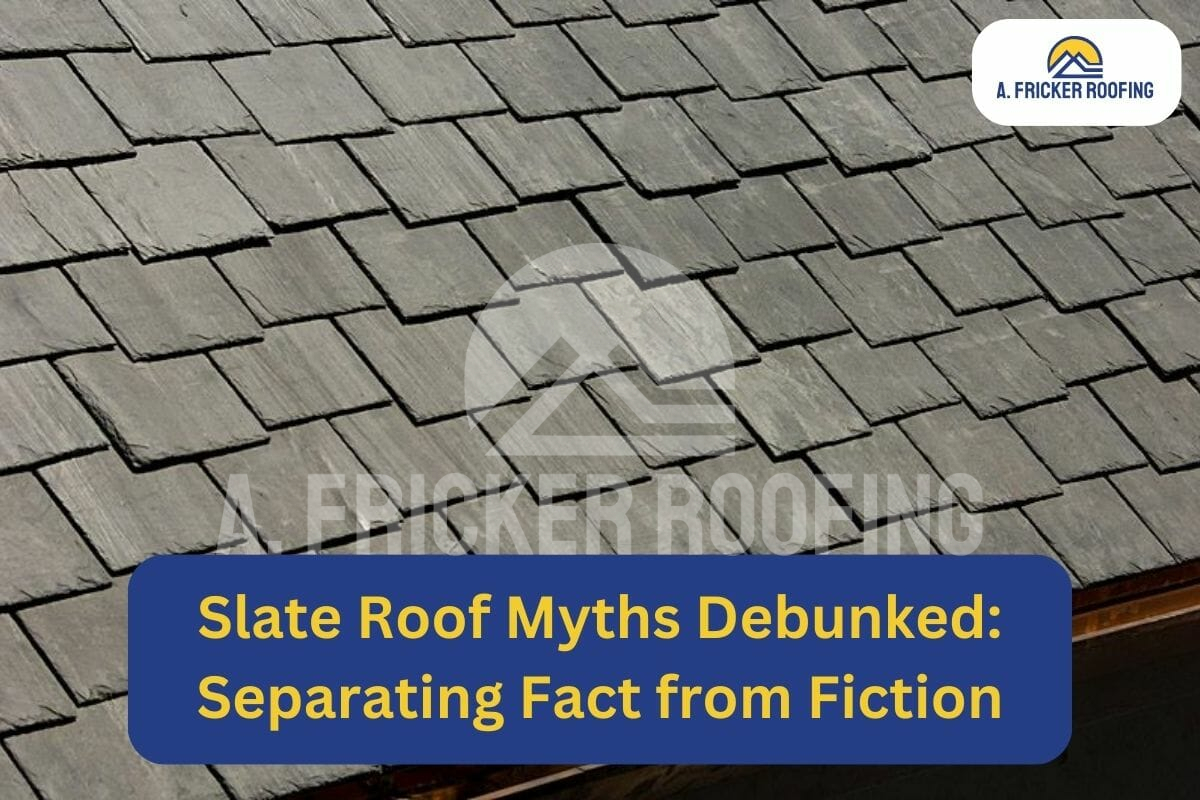
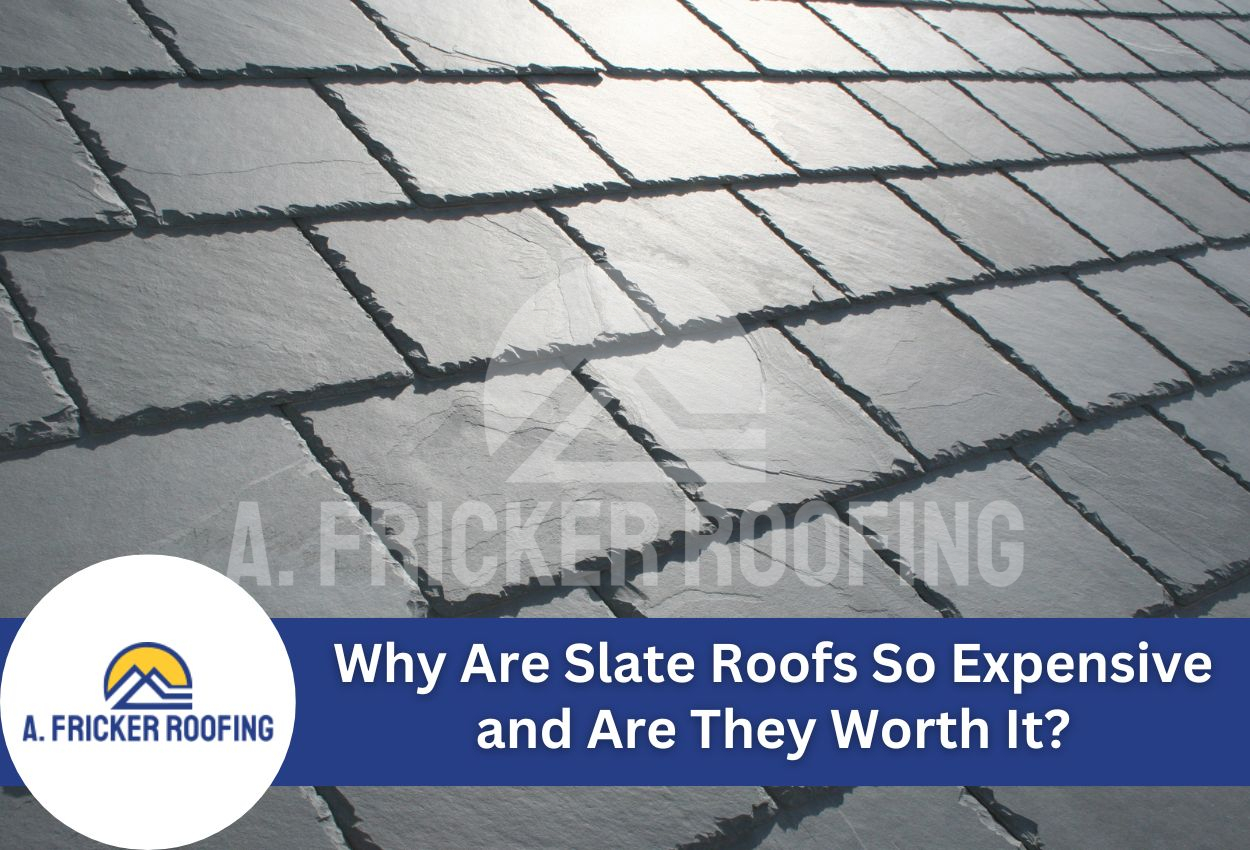
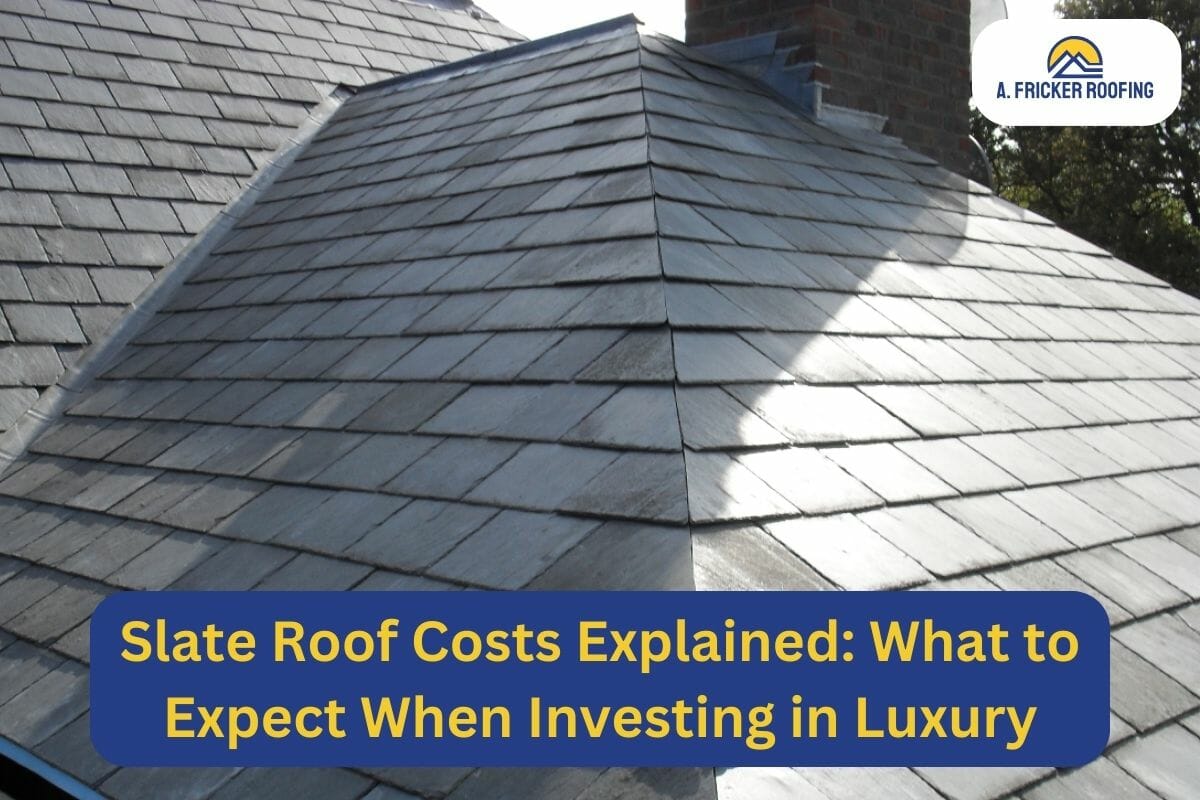
| Slate | 75 to 100+ years |
| Wood Shake | 30 to 40 years |
What Does Each Roofing Material Actually Cost Per Year of Lifespan?
Cost per year of lifespan is the most useful way to compare roofing materials, as a $900-per-square slate roof that lasts 100 years or more outperforms a $450-per-square asphalt roof that lasts 25 years when you do the math year by year.
| Material | Installation Cost Range (Tulsa) | Estimated Lifespan | Avg. Cost Per Year of Lifespan | Typical Warranty Coverage |
|---|---|---|---|---|
| 3-Tab Asphalt | $250 to $350/square | 15 to 20 years | $13 to $23/year | 20 to 25 years |
| Architectural Asphalt | $350 to $500/square | 20 to 25 years | $14 to $25/year | 30 to 50 years |
| Standing-Seam Metal | $700 to $1,200/square | 40 to 70 years | $10 to $30/year | 40 to 50 years |
| Tile | $600 to $1,000/square | 50 to 100 years | $6 to $20/year | 30 to 50 years |
| Slate | $900 to $1,800/square | 75 to 100+ years | $9 to $24/year | 75 to 100 years |
| Wood Shake | $500 to $800/square | 30 to 40 years | $13 to $27/year | 25 to 40 years |
For most Tulsa homeowners asking which roofing material lasts the longest for its cost, metal and architectural asphalt consistently come out ahead. Metal’s longer lifespan means fewer installations over a lifetime, and Class 4 impact-resistant options in both categories can reduce homeowners’ insurance costs. Wood shake’s cost per year of lifespan lands in a similar range to architectural asphalt and metal, but it delivers the weakest storm resistance and the highest moisture-related maintenance burden of any material in the table. A. Fricker Roofing and Waterproofing can walk through these numbers with you based on your roof’s specific size and coverage goals.
How Does Tulsa’s Climate Affect a Roof’s Expected Lifespan?
Oklahoma experiences the highest frequency of sub-severe hail days in the U.S. at about 28 days per year, and that hail exposure accelerates shingle aging beyond manufacturer estimates. Tulsa’s thermal cycling and UV exposure add to that acceleration every year.
Hail is the most immediate threat, as hailstones 1 inch or larger strip granules from asphalt shingles fast. That granule loss exposes the asphalt layer to direct UV and moisture, cutting shingle life significantly. Thermal cycling adds a slower kind of damage. Summer highs near 94 degrees Fahrenheit and winter lows around 28 degrees Fahrenheit force roofing materials to expand and contract repeatedly, breaking down sealant strips and loosening flashing over time. UV exposure makes the problem worse by accelerating asphalt oxidation, which is why proper attic ventilation and reflective coatings matter more in Oklahoma than in cooler northern areas.
How Material Choice Changes Vulnerability
Wood shake roofs absorb moisture during Tulsa’s humid summers, making them prone to rot and moss growth. That humidity exposure drives up maintenance costs and can shorten wood shake’s realistic lifespan toward the lower end of its 30 to 40-year range if left unaddressed, even though its $13 to $27 cost per year of life looks competitive on paper. Metal and tile shed moisture without absorbing it, making both far more resistant to Tulsa’s humidity with none of that added upkeep.
When comparing the lifespan of a tile roof versus a shingle roof, clay tiles hold a real structural advantage in Oklahoma’s heat. Clay’s thermal mass resists temperature-driven degradation better than asphalt, and its surface doesn’t oxidize. However, clay tiles weigh 8 to 12 pounds per square foot versus 2 to 4 pounds per square foot for asphalt, meaning many existing Tulsa homes need structural evaluation before a tile installation, adding expenses that must be factored into the total investment.
Which Roofing Material Is the Right Choice for Your Budget and Timeline?
The right roofing material depends on how long you plan to stay in the home, not just which material costs the least today. Match your situation to one of the situations below before making any final decision.
- Staying fewer than 10 years: Choose 3-tab shingles. They run $250 to $350 per square installed and need replacement every 15 to 20 years. Upfront costs stay low, and you get an acceptable return on investment over a short period without overpaying for longevity you won’t use.
- Staying 10 to 25 years: Choose architectural asphalt shingles. At $350 to $500 per square, they need to be replaced every 20 to 25 years and balance cost with durability.
- Long-term or forever home: Choose metal or tile. Metal roofs need replacement every 40 to 70 years; tile systems, every 50 to 100 years. Higher upfront costs at $700 to $1,200 per square for metal and $600 to $1,000 per square for tile spread across decades of use, lowering cost per year of lifespan and reducing how often you face another full replacement.
- Historical or premium property: Choose slate. Slate only needs replacement every 75 to 100 years or more with minimal maintenance when properly installed. At $900 to $1,800 per square, it carries the highest upfront cost of any material, but for the right property, it may be the last roof that home ever needs.
What Is the Long-Term ROI of Upgrading to a Longer-Lasting Roofing Material in Tulsa?
Upgrading to metal or tile significantly saves most Tulsa homeowners expenses over 40 years compared to repeated asphalt replacements, even after accounting for the higher upfront cost. A homeowner who installs architectural asphalt at $10,000 to $16,000 will spend $20,000 to $32,000 over 40 years across two full installations, the initial roof and one replacement. The same roof replaced with standing-seam metal at $18,000 to $28,000 needs only one installation over that same period.
| Material | Initial Cost | Total Roofs Installed (40 years) | Total 40-Year Cost |
|---|---|---|---|
| Architectural Asphalt | $10,000 to $16,000 | 2 | $20,000 to $32,000 |
| Standing-Seam Metal | $18,000 to $28,000 | 1 | $18,000 to $28,000 |
| Tile | $15,000 to $25,000 | 1 | $15,000 to $25,000 |
The lifespan data from the earlier comparison table, 20 to 25 years for architectural asphalt versus 40 to 70 years for standing-seam metal, translates directly into the frequency of replacements needed, which drives the 40-year cost gap shown above. For homeowners planning to stay long-term, one metal or tile installation over 40 years almost always costs less than two asphalt installations.
Ready to Compare Roofing Options for Your Tulsa Home? Here’s the Next Step.
You now have the lifespan data, the 40-year cost comparisons, and the material tiers. The next step is a professional assessment to confirm which option fits your home, budget, and storm exposure. A. Fricker Roofing and Waterproofing serves Tulsa and Northeast Oklahoma, including Rogers, Wagoner, and Washington County, and offers free residential roof inspections. Whether you’re considering architectural asphalt shingles or standing-seam metal, a roof inspection puts real numbers behind the decision.
Not ready to schedule? Learn more about residential roof inspections.