
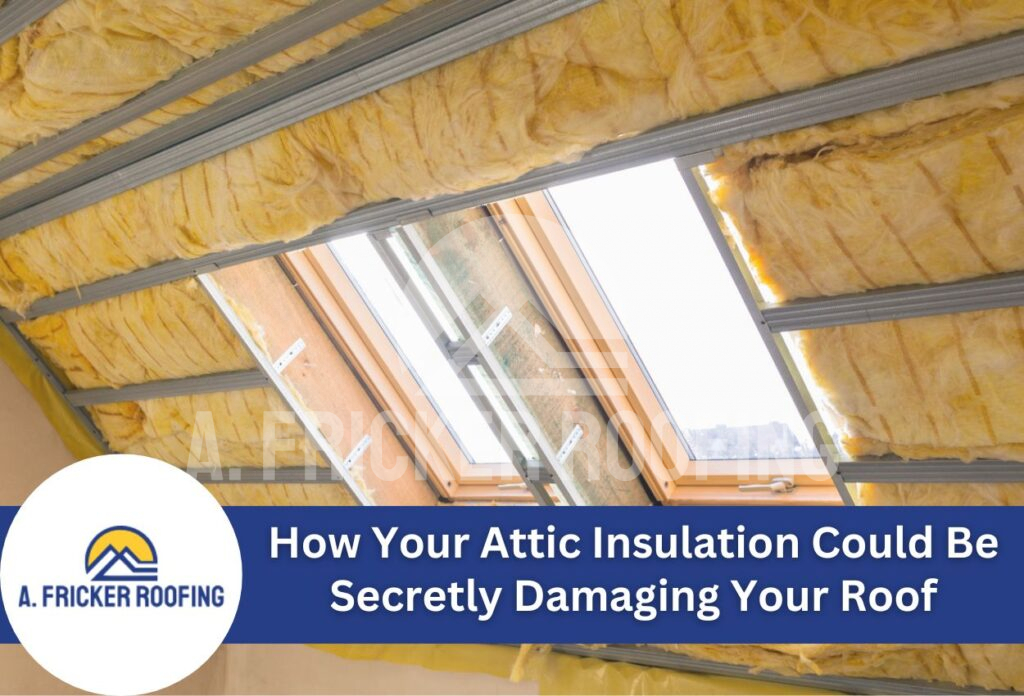
Many homeowners believe attic insulation only provides energy savings and comfort benefits. The reality reveals a more complex relationship between insulation and the health of their home’s roof that often goes unnoticed until expensive problems emerge.
Improperly installed or poorly maintained attic insulation creates a chain reaction of roof problems that can compromise the entire roofing system. These issues develop silently over months or years, making them particularly dangerous for unsuspecting property owners.
When insulation traps humidity or blocks natural airflow, it creates the perfect conditions for wood rot, mold growth, and structural deterioration. Poor attic ventilation and roof damage accelerate this deterioration, turning minor maintenance issues into major repair projects.
Winter weather brings additional challenges when insulation problems disrupt proper heat distribution and contribute to ice dam formation. These ice formations force water under shingles and into the roof deck, causing extensive damage that goes far beyond the visible exterior.
Condensation in the attic adds to these problems by generating persistent moisture that weakens roofing materials from the inside out. Even small attic installation mistakes can trigger these destructive processes, making proper installation and maintenance critical for protecting your home.
Moisture Buildup Behind Your Insulation Creates Serious Problems
Trapped moisture is one of the most destructive consequences of improperly installed attic insulation. When insulation blocks natural airflow or is installed without adequate vapor barriers, warm air becomes trapped and condenses against cooler surfaces. This creates persistent dampness that gets into wood framing, roof decking, and structural components throughout the attic space.
Wood rot develops quickly in these moisture-rich environments, weakening roof trusses and decking that support the entire roofing system. Mold growth follows close behind, spreading through organic materials and creating health hazards while continuing the cycle of structural deterioration. These moisture-related issues often remain hidden until significant damage has already occurred.
Certain insulation materials are particularly problematic for moisture retention:
- Fiberglass batts without proper vapor barriers absorb and hold moisture against wooden surfaces for extended periods.
- Blown-in cellulose insulation can settle and create uneven coverage that allows condensation issues in the attic space to develop in gaps and compressed areas.
Poor Air Flow Makes Your Roof Work Harder Than It Should
Blocked or inadequate attic ventilation forces roofing systems to handle excessive heat and moisture they were never designed to manage. When insulation covers soffit vents or gets packed too tightly around ventilation openings, it disrupts the natural airflow cycle that keeps attics at the right temperature.
Hot spots develop when insulation blocks specific ventilation areas while leaving others open, creating uneven temperature distribution across the roof deck. These concentrated heat zones cause localized damage that spreads outward, creating weak points where leaks frequently develop. Attic insulation installation mistakes, like covering ridge vents or packing insulation against the roof deck, eliminate important air gaps needed for proper circulation.
Restricted airflow also prevents natural moisture, allowing attic condensation to persist and add to the heat-related issues. The combination of trapped heat and moisture accelerates roof deterioration from multiple angles, forcing replacement schedules years ahead of normal expectations while driving up energy costs through reduced efficiency.
Ice Dams Form When Heat Gets Trapped in Your Attic
Uneven snow melting across your roof signals a dangerous problem with attic heat distribution. When warm air escapes through gaps in insulation or improperly sealed areas, it heats the roof deck unevenly. This creates a cycle where snow melts on warmer sections of the roof, then refreezes as it reaches colder areas near the gutters and eaves.
Ice dams caused by attic insulation form when this refrozen water creates thick ice barriers along the edge of the roof. These barriers prevent proper drainage, forcing melting snow to back up under shingles and into the roof’s structure. The trapped water finds its way through small openings and saturates insulation, the roof deck, and interior walls.
Missing insulation around light fixtures, gaps near electrical wires, and improperly sealed access hatches allow air to reach the roof deck. Even small air leaks can create enough heat transfer to trigger the melting-refreezing cycle that produces these destructive ice formations.
The damage goes beyond visible ice accumulation. Leaks ruin ceiling materials, wall insulation, and flooring while creating the conditions for mold growth. Gutters suffer structural damage from the weight of accumulated ice, often pulling away from fascia boards or developing stress cracks. Shingles frequently crack or lose granules when ice dams force water underneath their protective barriers, requiring extensive roof repairs once spring arrives.
Water Droplets Forming in Your Attic Space Spell Trouble
Temperature differences between living spaces and cold attic areas create the ideal conditions for destructive condensation problems. When warm, humid air from your home rises into an inadequately insulated or improperly ventilated attic, it encounters cold surfaces and immediately forms water droplets. These droplets accumulate on insulation and structural components, creating persistent moisture that compromises the entire roofing system.
Seasonal temperature changes make these condensation issues worse in attic spaces as heating systems work harder during cold weather. The greater temperature differential between indoor and attic spaces increases condensation rates, while reduced natural ventilation traps moisture-laden air for longer periods. This persistent dampness saturates insulation materials, reducing their effectiveness while promoting wood rot and mold growth throughout structural components.
The visible signs of condensation problems often appear as ceiling stains, peeling paint, or water spots that seem to appear without obvious roof leaks. These stains indicate that moisture has gone through the roof deck and insulation layers, reaching interior surfaces where it causes ongoing damage to drywall and ceiling materials.
Installation Mistakes That Lead to Expensive Roof Repairs
Professional contractors sometimes make errors while installing attic insulation that can create immediate and long-term roofing problems. These mistakes often appear minor during installation but cause damage that compromises the entire roofing system over time.
Covering soffit vents ranks among the most destructive attic insulation installation mistakes contractors make. When insulation blocks these important ventilation openings, it eliminates the natural airflow needed to regulate attic temperature and humidity levels. This creates the perfect conditions for poor attic ventilation, roof damage, as trapped hot air accelerates shingle deterioration while moisture accumulates without proper escape routes.
Installing incorrect insulation can create uneven thermal barriers that allow heat to escape through thin sections while blocking proper airflow in over-insulated areas. These inconsistencies contribute to ice dam formation as heated roof sections melt snow unevenly across the surface. The resulting ice barriers force water under shingles and into structural components.
Improper layering of attic insulation can create hidden pathways for heat to escape, directly impacting the roof deck and its structural integrity. When insulation is installed unevenly or with unintended gaps, it disrupts the continuous thermal barrier intended to keep attic temperatures stable. These openings allow warm air to rise, condensing on colder surfaces and saturating nearby insulation and wooden components. Over time, this moisture weakens the framing pieces of the roof, can cause mold growth, and accelerates the deterioration of underlayment and decking. Even minor inconsistencies between insulation layers can cause widespread issues, particularly in areas near recessed lighting, plumbing vents, or attic hatches, where heat transfer is more concentrated.
The added effect of these gaps is a sneaky deterioration process that often goes unnoticed until visible damage appears, such as sagging wood, mold stains, or reduced insulation performance.
Protecting Your Investment With Proper Insulation Practices
Preventing roof problems caused by attic insulation requires careful attention to installation techniques and ongoing maintenance protocols. Professional installation ensures proper vapor barrier placement, adequate ventilation clearances, and uniform insulation thickness throughout the attic space. Quality contractors understand the delicate balance between thermal efficiency and airflow requirements that protects both energy performance and roof integrity.
Balancing ventilation and exhaust prevents the most common attic insulation moisture problems by maintaining consistent airflow from soffit vents to ridge vents. This natural circulation removes excess humidity while regulating temperature extremes that stress roofing materials. Installers must maintain clear pathways around all ventilation openings and avoid compressing insulation materials that could restrict essential airflow patterns.
Annual professional inspections catch the early warning signs of poor attic ventilation and roof damage before extensive repairs become necessary. Trained specialists identify moisture accumulation, blocked vents, and temperature irregularities that indicate developing problems. These routine assessments detect condensation issues in the attic space, which can be managed through minor adjustments rather than major reconstruction projects.
Regular maintenance includes checking for gaps around electrical wires, ensuring access hatches seal properly, and confirming insulation maintains proper thickness and positioning. Homeowners should monitor for brown or yellow ceiling stains, unusual energy costs, or ice dams caused by attic insulation during winter. Addressing these symptoms quickly prevents minor issues from escalating into expensive structural damage that compromises entire roofing systems and requires extensive professional intervention.
Ensure Your Roof’s Longevity with A. Fricker Roofing and Waterproofing
Don’t let attic insulation errors lead to severe roof issues. Moisture problems, poor ventilation, ice dams, and condensation issues are common in Tulsa homes, often due to improper insulation practices. These issues not only compromise the structural integrity of your roof, but can also lead to expensive repairs or replacements if they’re not addressed.
At A. Fricker Roofing and Waterproofing, we specialize in diagnosing and resolving roof problems caused by attic insulation. We ensure that your insulation is properly installed and ventilated to prevent any future damage. Protect your home and investment by calling us today at (918) 402-7167 for a comprehensive roof and attic inspection.