
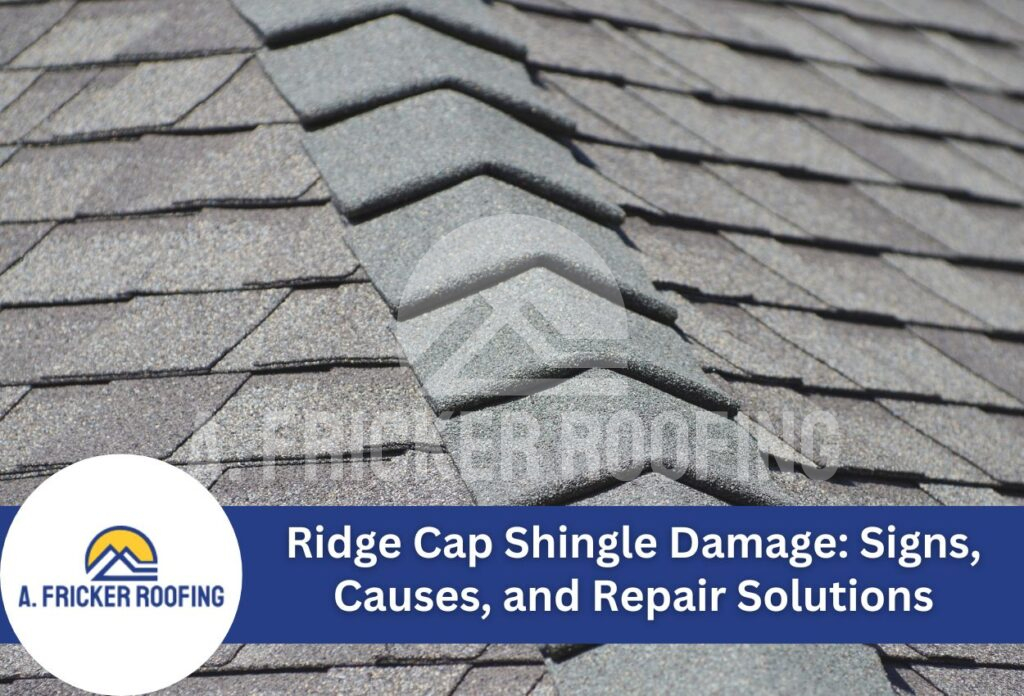
Ridge cap shingles serve as the first line of defense along the peak of your roof, where two sloped sections meet. These specially designed shingles create a watertight seal that prevents rain, snow, and moisture from getting into your roof’s most vulnerable area. Without properly functioning ridge cap shingles, water can easily seep into the roof deck, attic space, and eventually your living areas.
Ridge cap shingle damage occurs more frequently than many homeowners realize, particularly in areas prone to severe weather conditions. High winds can lift and tear these protective shingles, while hail can crack or puncture the material. Additionally, temperature fluctuations cause expansion and contraction that gradually loosen the adhesive strips and nails holding ridge cap shingles in place.
Common signs of damaged ridge cap shingles include missing or cracked pieces, exposed nails, curling edges, and granule loss. Hip and ridge shingle repair becomes necessary when these protective elements fail, as compromised ridge caps can lead to extensive water damage throughout your roofing system.
Recognizing ridge cap shingle damage early prevents expensive repairs and protects your home’s structural integrity. Understanding what causes this damage helps homeowners identify when replacement becomes necessary.
Warning Signs That Your Ridge Cap Shingles Need Attention
Identifying damaged ridge cap shingles early can save homeowners from expensive roof repairs. Several visual indicators are easily spotted from ground level, making regular roof inspections an essential maintenance practice.
Missing ridge cap shingles represent the most obvious sign of damage, leaving exposed roof decking vulnerable to leaks. Curling or lifting edges indicates that adhesive strips have failed or nails have loosened, allowing wind to catch and potentially tear away entire sections. Cracked or split ridge cap shingles create entry points for moisture, while excessive granule loss exposes the underlying asphalt material to UV damage and weathering.
Interior warning signs often provide the first indication of ridge cap shingle damage before exterior problems become visible. Water stains on ceiling surfaces near the roofline suggest water is leaking through compromised ridge areas. Active leaks during rainstorms frequently originate from damaged ridge caps, as water follows the roof deck down into living spaces.
Increased energy costs may also indicate ridge vent damage. The main job a ridge vent has is increasing the airflow through your attic, allowing warm air to escape, and keeping your cooling costs in the summer low. When ridge cap shingles fail around ventilation areas, hot air becomes trapped in attic spaces, forcing cooling systems to work harder. Hip and ridge shingle repair addresses these ventilation issues while preventing further water damage. Homeowners experiencing multiple interior signs should consider quick ridge cap shingle replacement to protect their investment and maintain energy efficiency.
What Causes Ridge Cap Shingles to Fail Over Time?
Oklahoma’s severe weather patterns create challenging conditions that accelerate ridge cap shingle deterioration. Hailstorms produce the most immediate and visible damage, creating cracks, punctures, and granule loss that compromise the protective barrier. High winds frequently exceed the design limits of ridge cap installations, lifting edges, and tearing away entire sections. Temperature fluctuations between scorching summers and freezing winters cause ridge materials to expand and contract repeatedly, weakening adhesive bonds and loosening fasteners over time.
Installation defects contribute significantly to premature ridge cap shingle damage. If, during installation, nails aren’t driven through enough, wind uplift can gradually work ridge caps loose, while improper overlap creates gaps where water can leak through. Using standard shingles instead of purpose-built ridge cap materials reduces wind resistance and weather protection. Poor ventilation installation around ridge areas creates moisture buildup that accelerates material breakdown.
Natural aging processes affect even properly installed ridge cap systems:
- UV radiation breaks down asphalt compounds, making shingles brittle and prone to cracking.
- Thermal cycling weakens the structural integrity of ridge materials, while normal settling of the roofing structure can create stress points that lead to failure.
- Wind and sun exposure can cause cupping, clawing, and curling, which leads to less effective ventilation.
- Fasteners can degrade over time, leading to the ridge caps coming loose and allowing leaks to form.
Because natural aging is just a consequence of time, inspections of these areas are crucial for keeping your entire roofing system working as intended.
The Risks of Ignoring Damaged Ridge Cap Shingles
Postponing repairs on damaged ridge cap shingles creates cascading problems that extend far beyond the roof itself. Leaks in these compromised sections can find their way to the roof deck, insulation, and structural framing components, leading to wood rot and weakened support systems. Once water enters these areas, it spreads along roof joints and follows electrical wiring or plumbing into wall cavities, which can lead to more damage, specifically in the living areas of your home.
Mold growth becomes a serious health concern when damaged ridge cap shingles allow persistent moisture buildup in attic spaces and wall systems. Dark, humid environments created by leaks provide ideal conditions for toxic mold species that compromise indoor air quality. Interior damage manifests as stained ceilings, warped flooring, and damaged drywall as water migrates through building materials.
Energy efficiency suffers dramatically when ridge vent shingle damage disrupts proper attic ventilation systems. Trapped hot air increases cooling costs during summer months, while inadequate ventilation allows ice dams to form during winter conditions. Compromised ridge cap integrity prevents conditioned air from escaping efficiently, forcing HVAC systems to operate longer cycles.
Ventilation problems caused by damaged ridge cap shingles create moisture imbalances that affect the entire roofing system. Poor air circulation accelerates shingle aging across the entire surface, while trapped humidity promotes structural decay in wooden components. Hip and ridge shingle repair addresses these interconnected problems, preventing the need for extensive ridge cap shingle replacement and expensive structural repairs throughout the home.
Professional Assessment vs. DIY Inspection Methods
Homeowner inspections for ridge cap shingle damage have significant safety limitations that must be considered before attempting any roof evaluation. Walking on steep roof surfaces requires specialized equipment and experience that most property owners lack. Wet or damaged shingles create slippery conditions that increase fall risks, while loose ridge cap materials can shift unexpectedly underfoot. Ground-level inspections using binoculars provide safer alternatives for identifying obvious damage, but subtle problems can remain undetectable from below.
Professional roofers possess specialized training and equipment necessary for comprehensive ridge cap assessments. These experts examine nail patterns, adhesive integrity, and variations in the material’s thickness that indicate impending failure. They identify installation defects, improper ventilation configurations, and weather-related stress points that homeowners typically overlook. Professional evaluations include moisture meter readings, structural assessments, and detailed documentation of current conditions.
Expert evaluation becomes necessary when multiple ridge cap shingles show damage or interior leaks appear near the roof’s peak. Professional assessment is essential following severe weather, as hail damage and wind uplift often create hidden problems not visible during casual inspection. Ridge vent shingle damage requires specialized knowledge of ventilation systems that extends beyond basic roof repairs. When hip and ridge shingle repair involves structural modifications or complex flashing work, professional expertise ensures proper installation and long-term performance of ridge cap shingle replacement projects.
Ridge Cap Repair and Replacement Options Available
Property owners facing ridge cap shingle damage have several repair approaches depending on the extent and severity of the problem. Minor damage affecting individual shingles often requires targeted fixes, while widespread deterioration may need a complete system replacement.
Individual shingle replacement addresses missing or severely damaged pieces without disturbing the entire ridge system. This approach involves removing damaged materials, installing new ridge cap shingles with proper overlap, and sealing all joints with roofing cement. Professional sealing techniques include applying specialized adhesives under loose edges and reinforcing nail patterns around repaired areas.
Spot repairs are more successful when they’re done quickly after damage occurs. Small cracks can be fixed with waterproof sealant, while loose sections need additional mechanical fastening and adhesive reinforcement. Ridge vent shingle damage often requires partial repair, combining replacement with a new ridge cap installation around affected areas.
Complete ridge cap replacement becomes necessary when multiple shingles show wear, installation defects exist, or repeated repairs have failed. Oklahoma’s extreme weather conditions favor architectural ridge cap shingles that offer superior wind resistance and impact protection. Architectural shingle ridges provide better weatherproofing than standard cap shingles, while specialized hip and ridge shingle repair techniques ensure proper installation. Full replacement projects address underlying ventilation issues, structural concerns, and long-term performance requirements that partial repairs cannot accommodate effectively.
Preventive Maintenance Tips to Extend Ridge Cap Lifespan
Regular maintenance significantly extends ridge cap shingle life and prevents expensive emergency repairs. Spring and fall inspections are the most effective, as these seasons follow periods of severe weather stress. During inspections, property owners should look for exposed nails, granule accumulation in gutters, and any visible gaps along ridge lines that indicate potential problems.
Safe maintenance tasks include keeping gutters clean to prevent water backup that can affect ridge areas, trimming overhanging tree branches that scrape against ridge cap shingles, and ensuring proper attic ventilation to reduce moisture buildup. Homeowners should remove debris from roof surfaces that can trap moisture against ridge materials and cause premature deterioration.
Professional maintenance services provide specialized treatments that homeowners cannot safely perform. These include applying protective sealants to ridge cap edges, reinforcing loose fasteners, and installing wind-resistant upgrades to existing ridge systems. Professional technicians can identify early signs of ridge vent shingle damage and address minor issues before they require extensive hip and ridge shingle repair. Scheduled professional inspections every two to three years help detect problems that lead to ridge cap shingle replacement, while protective treatments extend material life in challenging weather conditions. Combining homeowner vigilance with professional expertise creates comprehensive maintenance programs that maximize ridge cap performance and minimize long-term repair needs.
Protect Your Tulsa Home with Expert Ridge Cap Shingle Repair
If you’ve noticed any signs of ridge cap shingle damage, it’s important to address these issues quickly to prevent further damage to your home. A. Fricker Roofing and Waterproofing specializes in identifying and repairing damaged ridge cap shingles, ensuring your roof remains in top condition to withstand Oklahoma’s unique weather challenges. Don’t wait for small problems to become big, expensive ones.
Whether it’s partial repairs or complete ridge cap replacement, our team is equipped to handle all your roofing needs with precision and care. Call us today at (918) 402-7167 to schedule a professional assessment and protect your home from the risks of water damage, mold growth, and energy inefficiencies.