

Roof flashing is a necessary part of your home’s defense system against water damage. When this thin metal barrier becomes damaged, it can quickly lead to leaks, structural issues, and interior damage to your Tulsa home. Understanding how to repair damaged roof flashing is an essential skill that can save homeowners thousands in potential repair costs and extend the life of their roofing system. Neglecting leaks can lead to structural or mold damage costing between $5,000-$15,000.
Damaged flashing typically manifests as rust spots, loose sections, cracked sealant, or visible gaps where the flashing meets other roof components. These seemingly minor defects create entry points for water, especially during Oklahoma’s heavy spring rains and winter storms. The good news is that many flashing repair projects are manageable for homeowners with basic DIY skills and the right guidance.
Fixing roof flashing damage requires identifying the specific type of flashing affected, whether it’s chimney flashing, valley flashing, step flashing along walls, or vent pipe flashing. Each requires slightly different repair techniques but follows similar principles. With proper tools, materials, and safety precautions, homeowners can easily address these issues.
This comprehensive guide covers everything needed to identify signs of damaged roof flashing, gather the right materials for repairs, and execute roof leak repair around flashing using proven techniques that withstand Tulsa’s varied climate conditions.
Key Takeaways: How to Repair Damaged Roof Flashing
- Act Before It Escalates: Neglecting damaged roof flashing can lead to structural or mold damage costing $5,000-$15,000, making early repairs essential.
- DIY Saves $150-$1,350: Simple flashing repairs cost $50-$300 in materials versus $200-$600 professional rates, with chimney flashing offering the greatest savings potential.
- Seal Small Damage: Apply roofing cement to cracks extending 1 inch beyond damage in 50-85°F weather, or use rubberized flashing tape for instant waterproof barriers.
- Replace When Extensive: Choose aluminum flashing for 20-30 year lifespan and corrosion resistance, or copper for 50+ years in high-end applications.
Types of Roof Flashing and Common Damage Patterns
There are several types of flashing on a roof, each designed to protect specific vulnerable areas of your roof. Valley flashing sits in the V-shaped channels where roof planes meet, appearing as long metal strips that direct water downward. These areas are particularly susceptible to rust and separation in Tulsa’s alternating wet and dry seasons.
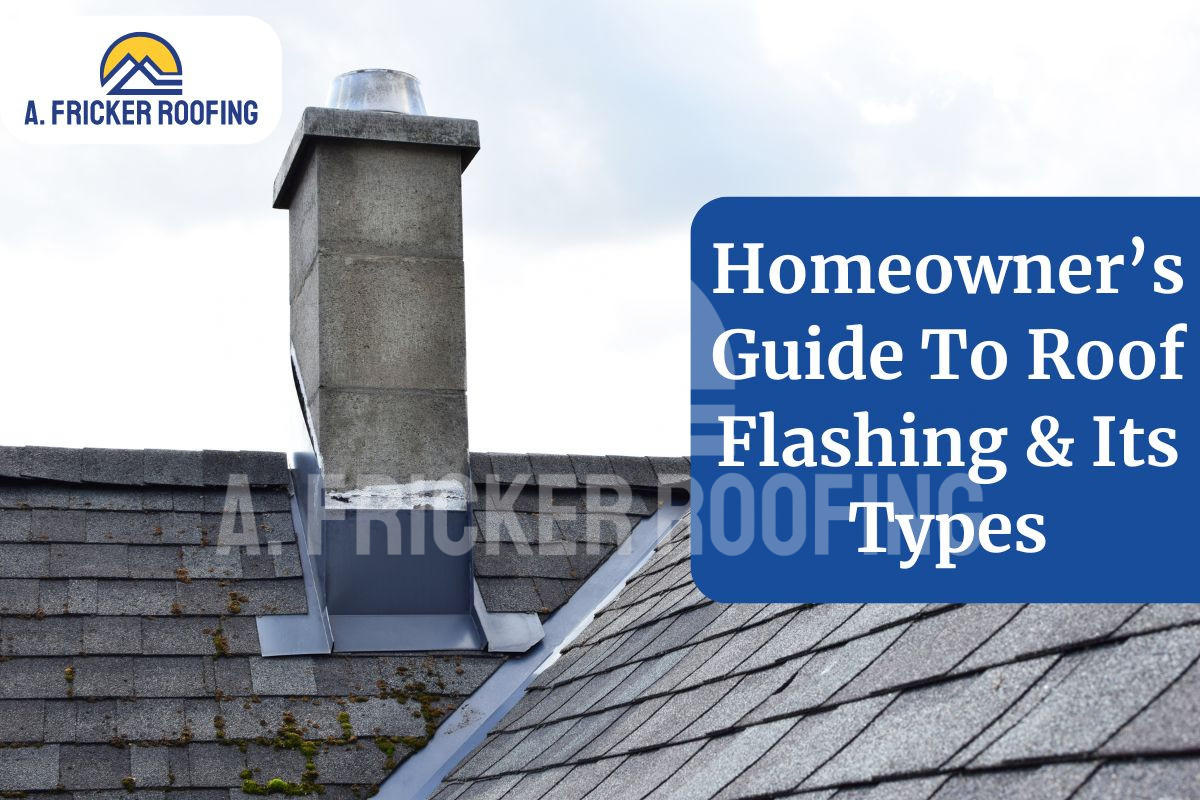
Chimney flashing consists of multiple components: base flashing, step flashing, and counter flashing that work together to seal the junction between the chimney and the roof. Around chimney flashing, look for failing sealant and lifted edges that create water entry points. Chimney flashing repairs typically range from $300-$1,200 depending on complexity.
Step flashing consists of rectangular metal pieces installed along roof-to-wall connections, with each piece overlapping like steps. When these become loose or displaced, water can travel behind your siding. Wall flashing replacement costs typically range from $300-$1,500. Vent flashing is cone-shaped collars that surround pipes and exhausts, and commonly shows cracks in rubber boots or separation from the shingles after exposure to Oklahoma’s intense UV radiation. Replacing pipe flashing generally costs between $150-$400 per vent.
In Tulsa, the combination of high winds, hailstorms, dramatic temperature swings, and heavy precipitation creates a perfect storm for flashing damage. Local homeowners should watch for impact damage from hail, expansion cracks from freeze-thaw cycles, and wind-lifted sections that fail during spring thunderstorms. Regular inspection after severe weather helps catch these damage patterns before they lead to serious leaks.
Safety First: Determining If Flashing is Damaged and Preparing for Repair
Before attempting any roof flashing repairs, you need to correctly identify damage and assess whether the project is within your capabilities. Start by inspecting your roof flashing for damage such as rust, corrosion, gaps, or pulled nails. Check for water stains on interior ceilings or walls that align with flashing locations, as these often indicate compromised flashing. Additional interior warning signs include damp insulation, moisture on rafters, or the unmistakable musty odor of developing mold—these indoor symptoms typically appear directly beneath compromised flashing. Discolored or warped shingles surrounding flashing areas also suggest water infiltration issues that need addressing.
Proper timing is crucial for successful roof flashing repairs. Aim for dry, mild weather with temperatures between 50 and 85 degrees Fahrenheit for optimal sealant application and adhesion. Avoid rainy days, high winds, or extreme temperatures that can compromise your safety and the quality of repairs. Many Tulsa homeowners find spring and fall provide ideal conditions for roof work, avoiding both summer heat and winter precipitation. Additionally, scheduling repairs during off-peak seasons can result in 10-15% labor savings.
Honestly evaluate your DIY capabilities before proceeding. Simple flashing repairs involving resealing or minimal replacement may be appropriate for homeowners with basic tools and moderate home repair experience. However, extensive damage, steep roof pitches, or two-story homes present significant safety challenges. Professional flashing repairs typically range from $200-$600, while DIY material costs generally fall between $50-$300, helping clarify the financial stakes of your decision.
| Flashing Type | DIY Materials Cost | Professional Repair Cost | Potential Savings |
|---|---|---|---|
| Vent/Pipe Flashing | $50-$100 | $150-$400 | $100-$300 |
| Chimney Flashing | $100-$200 | $300-$1,200 | $200-$1,000 |
| Wall/Step Flashing | $75-$150 | $300-$1,500 | $225-$1,350 |
| General Repairs (Average) | $50-$300 | $200-$600 | $150-$300 |
Remember that roof work requires proper safety equipment including sturdy footwear, gloves, eye protection, and a secure ladder. Essential tools for flashing repairs include a pry bar, roofing nails and hammer, caulk gun, tin snips, utility knife with spare blades, trowel, and safety equipment including sturdy gloves, safety glasses, and non-slip footwear. When working on Tulsa homes with complex rooflines or significant flashing damage, homeowners should call a professional roofing contractor instead.
Step-by-Step Repair Techniques for Minor Flashing Damage
When your roof flashing shows signs of minor damage, taking quick action can prevent water infiltration and more extensive repairs down the road. Many Tulsa homeowners can successfully address small flashing issues with the right approach and materials. These repair techniques focus on common problems that don’t require complete flashing replacement.
For sealing small cracks and holes in flashing, roofing cement is an excellent solution. Clean the damaged area thoroughly to remove rust, debris, and old sealant. Apply roofing cement in temperatures above 50 degrees Fahrenheit, using a putty knife and pressing firmly to ensure it covers the crack completely. Apply in thin layers on vertical surfaces to prevent sagging. For metal flashing with corrosion, apply a layer of cement that extends at least one inch beyond the damaged area. Silicone sealant works particularly well for flashing around vents or in locations exposed to Tulsa’s frequent temperature fluctuations because it maintains flexibility after curing.
Specialized flashing tape offers another effective repair option. These rubberized asphalt or butyl tapes create instant waterproof barriers over small cracks and gaps. Press firmly using a roller tool to eliminate air bubbles and ensure proper adhesion to the flashing surface.
Loose flashing sections can be reattached using roofing nails or screws with rubber washers to prevent creating new water entry points. Position the flashing properly, then secure it with fasteners spaced every 4 to 6 inches. For valley flashing repairs, place roofing nails high on the outer edges, never through the center of the valley where water flows. Cover nail heads with roofing cement for added protection. For flashing with surface rust, wire brush the affected area until clean metal is visible, then apply a rust-inhibiting primer before coating with roofing cement. This two-step process helps extend the life of metal flashing in Oklahoma’s humid conditions without requiring complete replacement.
When and How to Replace Severely Damaged Roof Flashing
Sometimes, roof flashing damage progresses beyond what simple repairs can fix. Recognizing these situations is crucial to maintaining your home’s water-tight integrity. Extensive rust or corrosion that has eaten through the metal, multiple holes or cracks that span large sections, or flashing that has completely detached from the roof surface are clear indicators that replacement is necessary. Additionally, if your Tulsa home has experienced repeated leaks despite previous repair attempts, it’s likely time for complete flashing replacement.
When replacing roof flashing, start by carefully removing the surrounding roofing materials that overlap the damaged flashing. For step flashing, this typically means lifting shingles without damaging them. Use a flat pry bar to remove fasteners and gently lift the old flashing away. Measure the dimensions precisely before cutting new flashing material, allowing for proper overlaps of at least 3 inches. For chimney step flashing, ensure at least 2-inch overlaps, and make sure metal extends at least 4 inches up vertical surfaces for wall flashing installations.
| Material | Key Benefits | Lifespan | Cost | Best For |
|---|---|---|---|---|
| Aluminum | Lightweight durability and corrosion resistance | 20-30 years | Moderate | Most residential applications |
| Galvanized Steel | Excellent strength at moderate cost | 15-25 years | Low-Moderate | Budget-conscious projects; may eventually rust |
| Copper | Exceptional longevity and aesthetic appeal | 50+ years | Premium | High-end homes; long-term investment |
| Lead | Highly malleable for custom shapes | 100+ years | High | Complex architectural details; historic homes |
Choose your flashing material based on your specific needs and budget. Aluminum offers lightweight durability and corrosion resistance, making it suitable for most residential applications. Copper provides exceptional longevity but comes at a premium price. Galvanized steel delivers excellent strength at a moderate cost but may eventually rust in Oklahoma’s climate. Lead flashing is highly malleable and perfect for creating custom shapes around complex architectural details.
Install the new flashing by placing it in the exact position of the old piece, ensuring it extends properly under shingles and over the roof surface. Secure it with appropriate fasteners, typically roofing nails, placed outside areas exposed to water flow. Apply a bead of roofing sealant along all edges and seams. For chimney flashing, work systematically from bottom to top, ensuring each piece overlaps correctly to channel water downward. This careful installation process, while time-consuming, provides years of protection against Tulsa’s unpredictable weather patterns.
Preventing Future Flashing Failures Through Proper Maintenance
Maintaining your roof flashing is significantly more cost-effective than dealing with water damage or emergency repairs. The average cost to repair a roof leak ranges from $400-$2,000, making preventative maintenance a smart investment. With a consistent inspection routine, Tulsa homeowners can extend their flashing’s lifespan and avoid unexpected roofing emergencies. Developing a maintenance schedule that accounts for Oklahoma’s seasonal weather patterns helps catch potential issues before they become serious problems.
Spring inspections are crucial after winter’s freeze-thaw cycles that can stress metal flashing components. Check for separation at seams and ensure sealants haven’t cracked due to temperature fluctuations. Fall maintenance should focus on clearing debris from valleys and making sure flashing is secure before winter weather arrives. After severe storms with high winds or hail, inspect your roof for any new damage to your flashing.
Preventative treatments can significantly extend flashing lifespan. Apply rust-inhibiting primers to metal flashing showing early signs of oxidation. Refreshing sealants every few years prevents water infiltration at flashing joints and connections. When cleaning gutters, take time to clear debris from the valley flashing to prevent water damming that accelerates corrosion. For chimney flashing, check the counter flashing annually and ensure the sealant at the masonry junction remains intact. These simple maintenance steps can add years to your roof’s protective flashing and prevent expensive repairs and water damage.
When to Call for Professional Flashing Repair
While DIY flashing repairs can address small issues, certain situations need professional expertise. If you notice water stains spreading across your ceiling despite attempted repairs, this suggests more complex roof problems beyond just flashing. Similarly, extensive rust or corrosion, multiple failing flashing sections, or damage after severe Oklahoma storms may indicate systemic roof issues that require comprehensive assessment.
Professional intervention is necessary when flashing problems exist in hard-to-reach areas or on steeply pitched roofs where safety becomes a primary concern. Additionally, if your flashing damage coincides with missing shingles, sagging roof sections, or visible structural issues, these warning signs point to potentially serious problems that only experienced roofers should tackle.
When selecting a Tulsa roofing contractor for flashing repairs, ask specific questions about their experience. Inquire about their familiarity with Oklahoma’s weather challenges and how they adapt flashing installation techniques to withstand local conditions. Request examples of similar flashing repairs they’ve completed in the Tulsa area. Ask whether they recommend specific flashing materials based on your home’s exposure and architectural features. Verify their licensing, insurance coverage, and warranty terms for flashing work.
Professional roofers bring specialized tools, quality materials, and the expertise to identify underlying problems that homeowners might not notice. Their approach to repairs means your roof flashing repairs address both the symptoms and root causes of water infiltration. Professional contractors will evaluate the entire roof system, including less visible areas like the underlayment beneath flashing components. Most professional flashing repairs can be completed within a day, and reputable contractors provide documentation and maintenance recommendations to help extend the life of your repairs.
Expert Roof Flashing Repair Services in Tulsa
If your roof flashing is damaged or missing completely, don’t wait. Water damage from faulty flashing can lead to expensive repairs down the line. At A. Fricker Roofing & Waterproofing, we specialize in diagnosing and fixing all types of roof flashing damage, ensuring your home stays dry and protected. Whether it’s sealing minor cracks or replacing entire sections of flashing, our team is equipped to handle it all.
Don’t risk further damage to your home by delaying necessary repairs. Call A. Fricker Roofing & Waterproofing today at (918) 402-7167 and keep your roof in top condition!
How often should I inspect my roof flashing for potential issues?
Inspect your roof flashing at least twice annually—once in spring and once in fall. Additionally, conduct visual checks after severe weather events like hailstorms, high winds, or heavy rainfall common in Oklahoma. Regular inspections help identify minor problems before they escalate into major water damage issues.
Can I repair roof flashing in cold weather or during winter months?
Winter flashing repairs are challenging because most sealants and roofing cement require temperatures above 50°F for proper adhesion and curing. Cold weather makes materials brittle and difficult to work with. If emergency repairs are necessary during winter, use cold-weather sealants specifically designed for low-temperature application, though professional help is recommended.
What’s the difference between roof flashing repair and roof leak repair?
Roof flashing repair specifically addresses the metal barriers protecting vulnerable roof junctions, while roof leak repair is a broader term encompassing various water infiltration sources. Damaged flashing is one common cause of roof leaks, but leaks can also stem from damaged shingles, compromised underlayment, or deteriorated roof penetrations requiring different repair approaches.
Will homeowners insurance cover roof flashing damage and repairs?
Insurance coverage for flashing damage depends on the cause. Sudden damage from covered perils like hail, wind, or falling trees typically qualifies for coverage. However, gradual deterioration from age, lack of maintenance, or normal wear usually isn’t covered. Review your policy and document storm damage with photos to support potential claims.
How can I tell if my flashing problem requires complete replacement versus simple repair?
Simple repairs work for isolated cracks, minor rust spots, loose sections, or failing sealant. Complete replacement becomes necessary when flashing shows extensive corrosion with holes, multiple failure points across large sections, metal that crumbles when touched, or repeated leaks despite previous repair attempts indicating systemic failure.