
Key Takeaways
- Prioritize Verification: Immediately confirm your prospective roof tarping contractor holds current licenses and liability insurance to protect your property.
- Assess Urgency: Ask about 24-hour availability and guaranteed response times to ensure immediate emergency roof protection.
- Spot Red Flags: Reject door-to-door offers and never pay in full upfront to avoid scams and ensure fair service.
- Check Reputation: Review online ratings and call recent references to verify the quality and reliability of their temporary roof coverings.
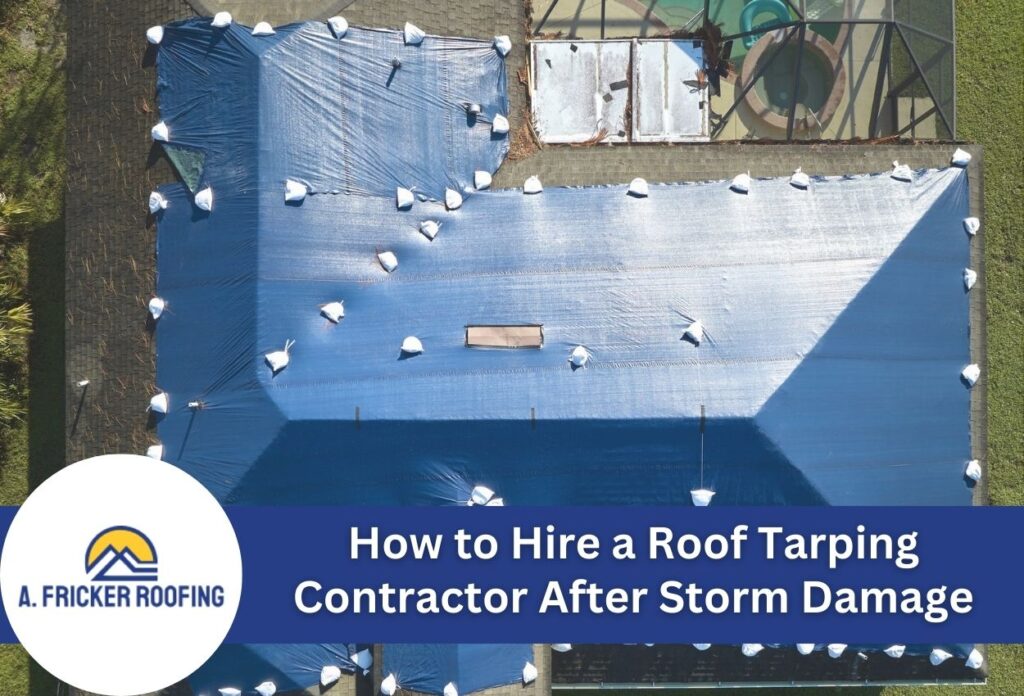
Storm damage to your roof needs immediate attention to prevent leaks and expensive interior damage. Emergency roof protection through professional roof tarp installation services becomes crucial when severe weather compromises your home’s primary defense against the elements. Licensed roofing contractors who specialize in temporary roof coverings can quickly secure your property while permanent repairs are planned and scheduled.
Understanding when to contact an emergency roof repair contractor separates homeowners who minimize damage from those who face extensive restoration costs. Missing shingles, punctured roofing materials, or visible structural damage all signal the need for immediate storm damage roof protection. Professional roof tarping provides a reliable barrier that prevents secondary damage to insulation, drywall, flooring, and personal belongings.
The difference between emergency tarping and permanent roof repair lies in timing and purpose. Temporary roof coverings serve as critical stopgap measures, buying time for proper assessment, insurance claims processing, and comprehensive repairs. Selecting the right contractor for this urgent work requires specific knowledge about credentials, response times, and proper installation techniques.
Essential Qualifications to Look for in Emergency Roof Contractors
Proper licensing and insurance verification protect property owners from potential liability issues when hiring emergency roof repair contractors. Licensed roofing contractors must carry both general liability insurance and workers’ compensation coverage to handle roof tarp installation services safely. State licensing requirements vary, so confirming that contractors maintain current credentials in your jurisdiction prevents legal complications if accidents occur during emergency work.
Experience with storm damage situations directly impacts response time and installation quality for temporary roof coverings. Contractors specializing in storm damage roof protection understand the urgency these situations require and typically offer 24-hour emergency services. Their familiarity with insurance procedures and documentation requirements streamlines the claims process while ensuring proper materials and techniques protect your property effectively.
Emergency response capabilities separate qualified contractors from general roofers who may lack the equipment or availability for urgent situations. Professional emergency roof repair contractors maintain dedicated crews and materials specifically for storm damage scenarios. This preparation enables them to respond quickly when severe weather threatens additional damage to already compromised roofing systems.
Questions to Ask Before Hiring a Roof Tarp Installation Service
Response time inquiries reveal whether emergency roof repair contractors can meet urgent timeline requirements when storm damage threatens your property. Ask potential contractors about their typical response time for emergency calls and whether they maintain 24-hour availability. Reliable roof tarp installation services should provide clear timeframes for arrival and completion of temporary roof coverings, especially during peak storm seasons when demand increases significantly.
Material quality and installation methods directly impact the effectiveness of storm damage roof protection until permanent repairs begin. Licensed roofing contractors should explain their tarping materials, including tarp thickness, securing methods, and expected durability under various weather conditions. Professional temporary roof coverings require heavy-duty materials and proper attachment techniques that prevent wind uplift and leaks while avoiding additional damage to existing roofing components.
Equipment availability questions help determine whether contractors have the necessary tools for safe and effective emergency installations. Professional roof tarping requires specialized fastening systems, safety equipment, and appropriately sized tarps for different roof configurations. Contractors should have enough inventory and backup equipment to handle multiple emergency calls without delays that could expose your property to additional weather-related damage.
Red Flags and Warning Signs to Avoid When Selecting Contractors
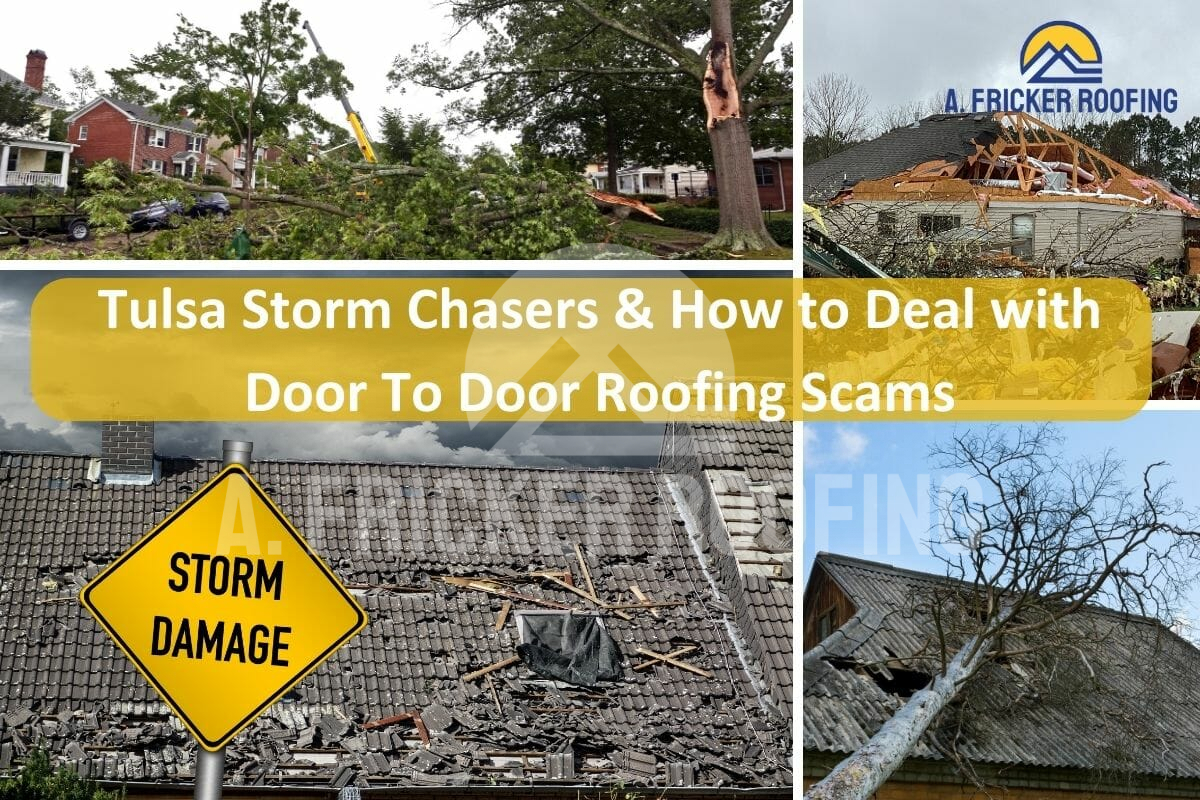
Door-to-door solicitors often target neighborhoods immediately following severe weather, presenting themselves as emergency roof repair contractors without proper credentials or local business presence. These high-pressure sales tactics typically involve urgent claims about immediate danger or limited-time offers that prevent close looks at their qualifications. Legitimate licensed roofing contractors rarely conduct unsolicited visits and instead rely on referrals, established business relationships, and professional reputations built within their service communities.
Pricing schemes that appear significantly below market rates for roof tarp installation services frequently indicate substandard materials or inexperienced workers who lack proper training in storm damage roof protection. Contractors demanding full payment before beginning any work create unnecessary financial risk for property owners and violate standard industry practices for temporary roof coverings. Professional emergency roof repair contractors typically require minimal upfront payments and provide detailed written estimates that clearly outline materials, labor, and timeline expectations.
Lack of proper licensing documentation or reluctance to provide insurance verification indicates potential liability exposure that responsible property owners should avoid. Contractors who cannot produce current business licenses or insurance certificates may operate illegally and leave homeowners financially responsible for accidents or substandard work. These warning signs become particularly important during emergencies when the urgency of storm damage roof protection might tempt homeowners to skip proper verification procedures.
Getting Accurate Estimates and Understanding the Scope of Work
Several key factors influence pricing for roof tarp installation services, making it essential to understand these variables when comparing quotes from different emergency roof repair contractors. The size and complexity of the damaged area directly affect material requirements and labor time needed for proper storm damage roof protection. Roof pitch, height, accessibility, and the extent of structural damage all impact the difficulty and safety requirements for installing temporary roof coverings.
Material specifications vary significantly between contractors, affecting both immediate costs and long-term effectiveness of emergency tarping solutions. Licensed roofing contractors may use different tarp weights, securing methods, and supplemental materials that influence overall pricing structures. Weather conditions during installation also affect labor costs, as working during active storms or extreme temperatures requires additional safety measures and specialized equipment for proper roof tarp installation services.
Service agreements should clearly specify what materials and labor are included in the base installation, along with any potential additional costs that might arise during the work process. Some contractors include debris removal, minor structural repairs, or extended warranty periods in their standard pricing, while others charge separately for these services. Understanding exactly what temporary roof coverings include prevents unexpected expenses and ensures proper storm damage roof protection meets your specific needs and budget requirements.
Verifying Contractor Credentials and Checking References
Online review platforms and Better Business Bureau ratings provide valuable insights into contractor reliability and customer satisfaction for emergency roof repair contractors. These resources reveal patterns in service quality, response times, and overall professionalism that help property owners make informed decisions about roof tarp installation services. Licensed roofing contractors with strong online reputations typically demonstrate consistent performance across multiple storm damage roof protection projects and maintain transparent business practices.
Contacting recent clients who received similar temporary roof coverings offers direct feedback about work quality and customer experience during emergencies. Previous customers can provide specific information about response times, installation techniques, and how well the storm damage roof protection performed until permanent repairs were completed. These conversations often reveal important details about contractor communication, cleanup procedures, and whether the emergency work met expectations during stressful circumstances.
Reference verification becomes particularly important when evaluating contractors during peak storm seasons, when many new or unestablished companies emerge to capitalize on increased demand. Established emergency roof repair contractors willingly provide recent customer contacts and maintain documentation of their completed projects. This transparency demonstrates confidence in their roof tarp installation services and helps distinguish qualified professionals from opportunistic operators who may lack proper experience with critical temporary roof coverings.
Finalizing the Contract and Ensuring Proper Installation
Contract terms for emergency roof repair contractors should clearly outline warranties on both materials and workmanship for roof tarp installation services. Professional warranties typically cover material defects and installation failures for specific time periods, protecting property owners from additional costs if the temporary roof coverings fail due to contractor error. Licensed roofing contractors often provide separate warranty terms for materials versus labor, with material warranties sometimes extending longer than workmanship guarantees, depending on manufacturer specifications.
Service agreements must specify response times, completion schedules, and any circumstances that might affect the installation timeline for storm damage roof protection. Weather delays, material availability, or safety concerns can impact when contractors complete temporary roof coverings, so understanding these potential delays prevents unrealistic expectations. Clear documentation of warranty coverage, including what specific failures are covered and the process for addressing warranty claims, ensures proper recourse if issues arise with the emergency installation.
Industry standards for storm damage roof protection require specific installation techniques and materials that qualified contractors should explain before beginning work. Proper installation involves securing tarps with appropriate fasteners that go into structural elements without creating additional water entry points. Verifying that emergency roof repair contractors follow manufacturer guidelines and local building codes ensures the temporary roof coverings provide effective protection while maintaining structural integrity until permanent repairs restore your property’s complete weather barrier.
Choose A. Fricker Roofing and Waterproofing for Reliable Storm Damage Solutions
If you’ve recently experienced storm damage and need urgent roof tarping services, don’t wait for further damage to escalate the cost of repairs. A. Fricker Roofing and Waterproofing offers quick, reliable, and professional roof tarp installation to protect your property effectively. Our team is fully licensed, ensuring that all emergency roof repair services meet high standards of quality and safety.
To discuss your emergency roof repair needs and get a swift, professional service, call us today at (918) 402-7167. Trust A. Fricker Roofing and Waterproofing to provide the protection your home deserves.