
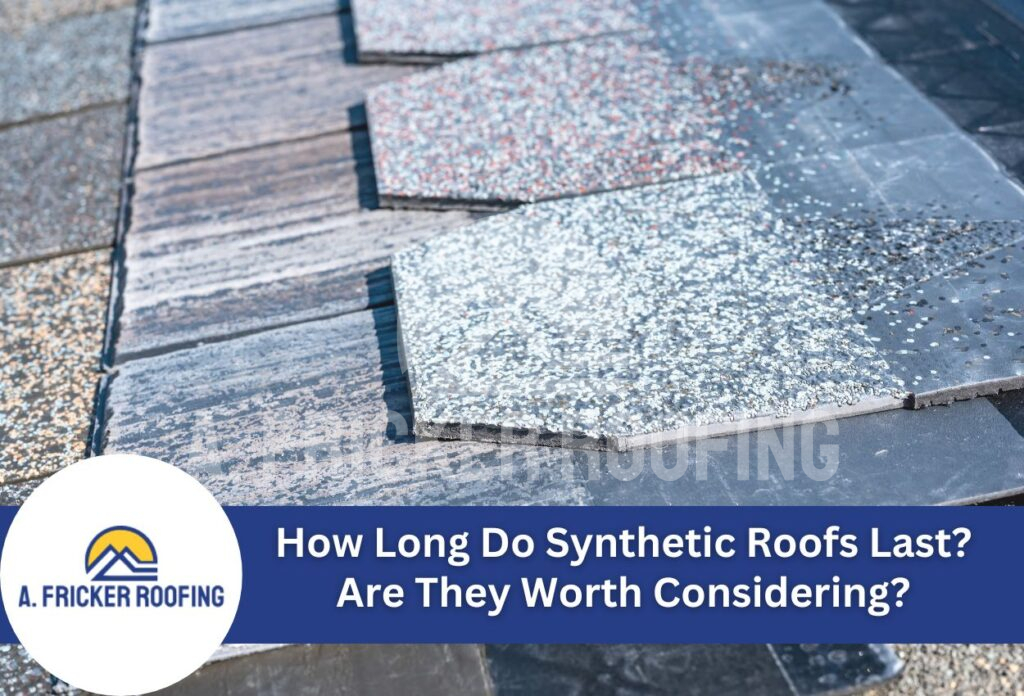

Synthetic roofing materials have transformed the way homeowners approach roof replacement decisions. These engineered alternatives to traditional materials like wood, slate, and clay offer impressive durability while maintaining the aesthetic appeal of natural options. The synthetic roof material lifespan typically ranges from 30 to 50 years, making it an attractive investment for property owners seeking long-term value.
Understanding how long synthetic roofs last requires examining the different types available in today’s market. Synthetic slate roof durability often exceeds that of natural slate, with many manufacturers offering warranties spanning several decades. Composite shingle longevity varies by brand and material composition, but most premium options perform exceptionally well against weather extremes, UV exposure, and temperature fluctuations.
The growing popularity of synthetic roofing stems from its ability to replicate the appearance of premium materials without the associated maintenance headaches. Unlike traditional roofing options that may crack, split, or fade over time, synthetic materials maintain their structural integrity and color consistency throughout their lifespan. This reliability makes them particularly appealing to homeowners who want the beauty of natural materials combined with modern engineering advantages.
Several factors influence synthetic roofing performance, including installation quality, climate conditions, and proper maintenance practices.
Understanding Different Types of Synthetic Roofing Materials
The synthetic roofing market offers three primary material categories, each engineered with distinct characteristics that affect longevity.
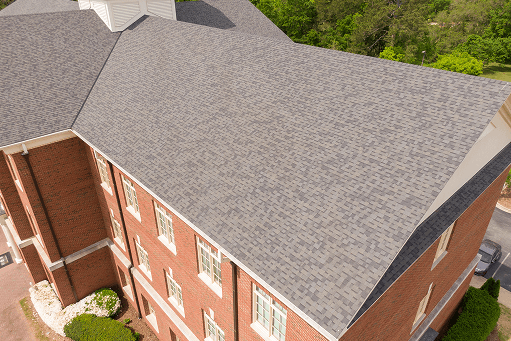
- Composite shingles combine recycled materials with polymer resins to create lightweight yet durable roofing solutions. These materials typically feature Class A fire ratings and impact resistance that surpasses traditional asphalt shingles.
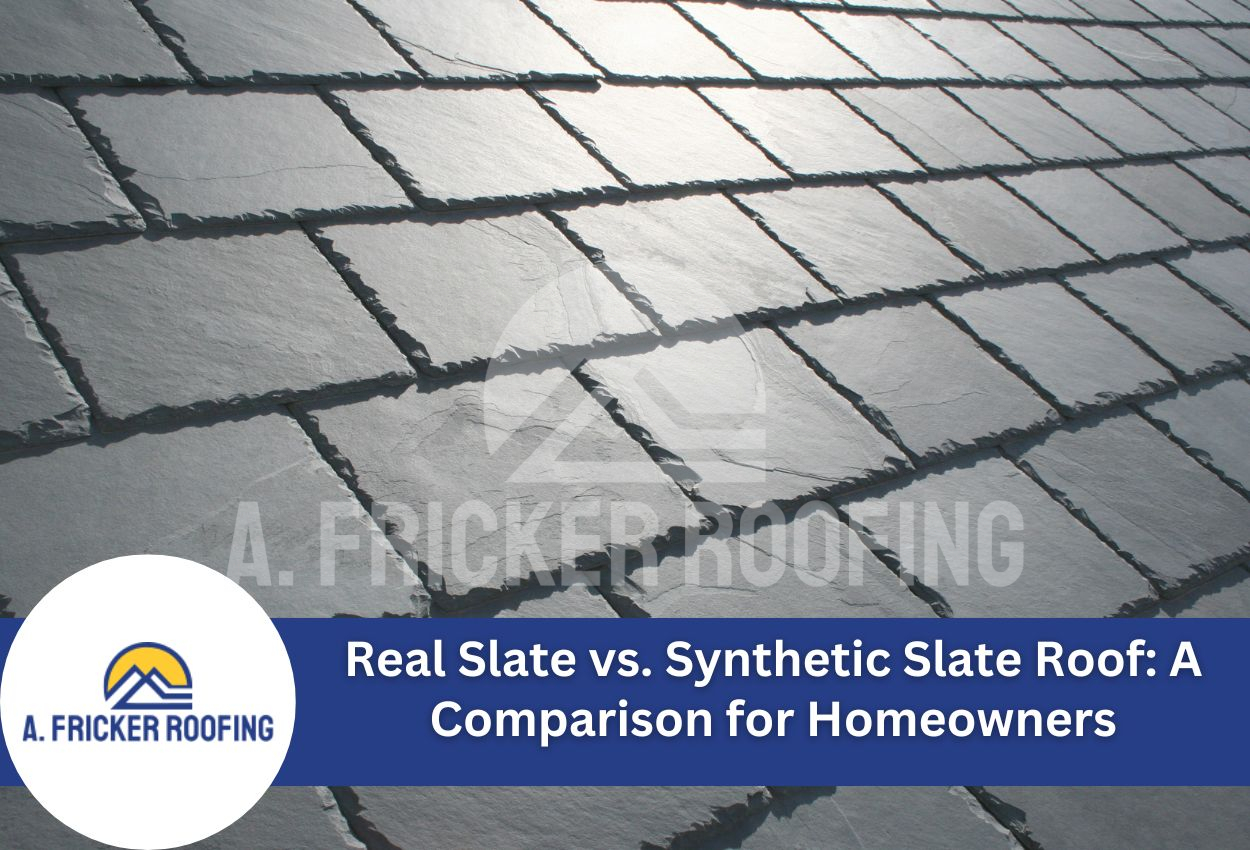
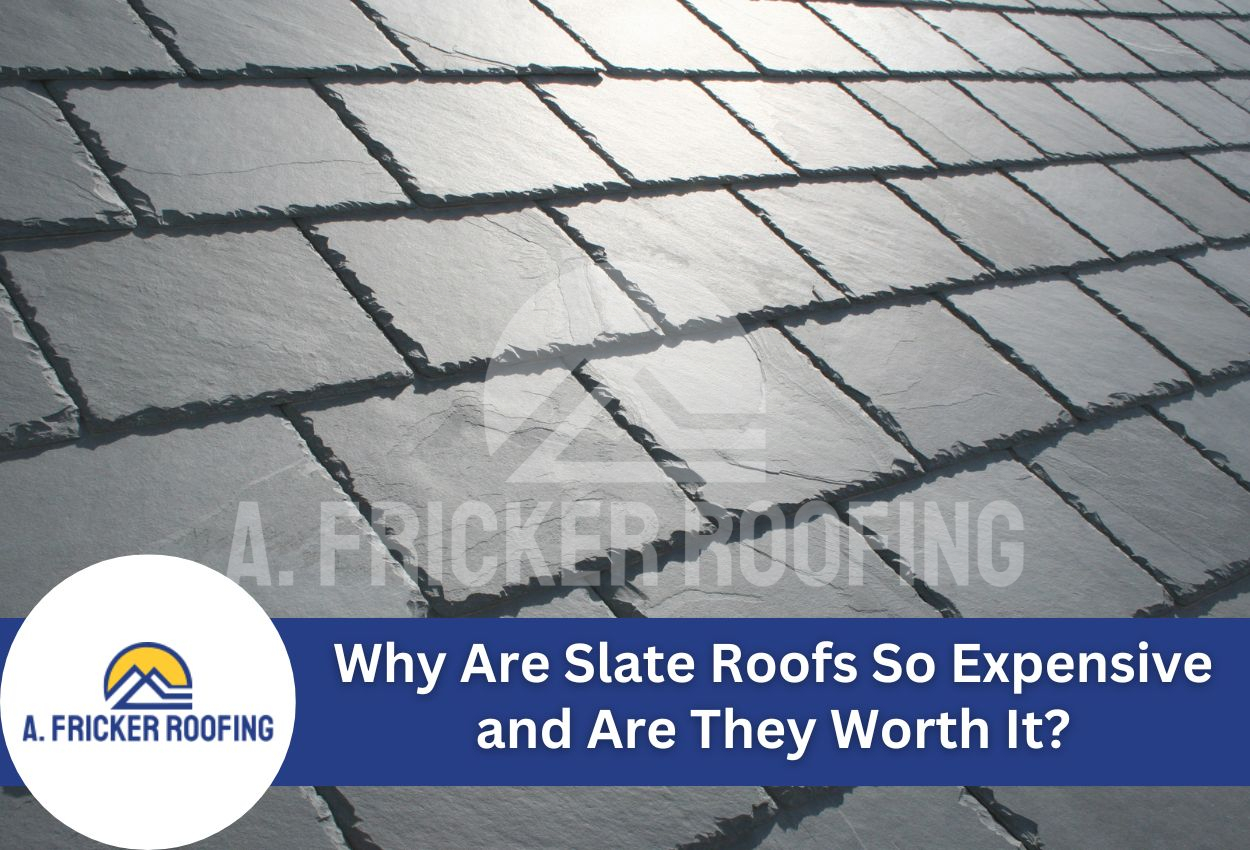
- Synthetic slate represents the premium segment of artificial roofing materials, manufactured from recycled rubber and plastic compounds. This option delivers exceptional synthetic slate roof durability, often lasting 50 years or more while weighing significantly less than natural slate. The material resists cracking, splitting, and weather damage that commonly affects quarried slate products.
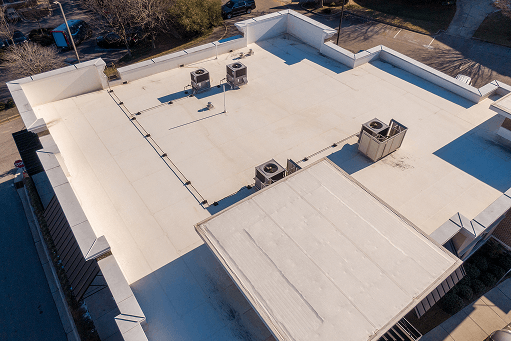
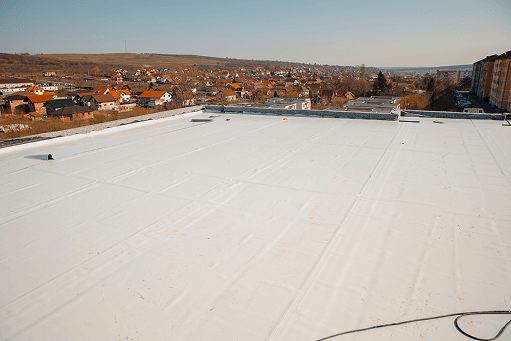
- Rubber roofing systems, including EPDM and TPO membranes, provide excellent waterproofing capabilities for flat or low-slope applications. These materials demonstrate remarkable flexibility in extreme temperatures and resist UV degradation better than many conventional options.
Premium synthetic materials incorporate advanced UV stabilizers and impact modifiers that extend their functional lifespan. The best synthetic roofing options typically feature multi-layer construction with reinforced cores and protective surface coatings. Weather resistance, thermal expansion properties, and color retention capabilities distinguish superior products from basic alternatives. Proper material selection significantly impacts overall synthetic roof material lifespan and long-term performance expectations.
Expected Lifespan of Synthetic Roofing Systems
Synthetic roofing materials demonstrate impressive longevity, with most systems lasting between 30 to 50 years, depending on material quality and environmental conditions. This material’s lifespan significantly exceeds traditional asphalt shingles, which typically require replacement every 15 to 25 years.
When comparing synthetic slate roof durability to natural alternatives, synthetic options consistently outperform their traditional counterparts. Natural slate can last 75 to 100 years, but requires frequent repairs due to cracking and breakage. Synthetic versions eliminate these maintenance concerns while providing comparable curb appeal and weather resistance throughout their lifespan.
Composite shingle longevity varies based on manufacturing standards and installation practices. High-quality synthetic materials resist common failure modes like granule loss, thermal splitting, and UV degradation that plague conventional roofing systems. The best synthetic roofing options incorporate advanced polymer technology that maintains structural integrity across temperature extremes.
Manufacturer warranty periods provide valuable insight into expected performance. Most synthetic roofing companies offer 25 to 50-year warranties, reflecting confidence in material durability. These warranties typically cover manufacturing defects, color fading, and structural performance, indicating manufacturers expect their products to maintain functionality throughout the specified period. Limited lifetime warranties on premium products suggest synthetic roof maintenance can extend system performance even beyond standard expectations.
Key Factors That Impact Synthetic Roof Longevity
Weather conditions play an important role in determining the lifespan of synthetic roof materials, with extreme temperatures, high winds, and hailstorms creating the most significant challenges. Synthetic materials excel in areas with temperature fluctuations because their engineered composition resists thermal expansion and contraction better than natural alternatives. UV exposure remains a primary concern, though the best synthetic roofing options incorporate advanced stabilizers that prevent degradation and color fading over decades of sun exposure.
Installation quality directly affects composite shingle longevity and overall system performance. Professional contractors ensure proper fastening patterns, adequate underlayment protection, and correct overlap spacing that prevents leaks. Poor installation practices can reduce synthetic slate roof durability by creating stress points where materials fail prematurely. Experienced installers understand manufacturer specifications and local building codes that maximize synthetic roofing performance.
Roof design elements significantly influence how long synthetic roofs last through their impact on water management and structural loading. Proper slopes ensure adequate drainage, preventing standing water that can compromise even the most durable synthetic materials. Complex roofs with multiple valleys and gaps require careful detailing to maintain weatherproofing integrity.
Ventilation systems work alongside drainage design to regulate attic temperatures and moisture levels. Adequate airflow prevents ice dam formation and reduces thermal stress on roofing materials. Structural support must accommodate both dead loads and environmental forces, with insufficient framing leading to material failure regardless of the synthetic roof maintenance tips employed by homeowners.
Essential Maintenance Tips to Extend Your Synthetic Roof Life
Regular maintenance significantly extends synthetic roof material lifespan beyond manufacturer expectations, with simple preventive measures protecting the investment for decades. Basic cleaning routines involve removing debris from gutters and roof surfaces quarterly, preventing water backup that can compromise even the most durable synthetic materials. Homeowners should inspect for loose fasteners, damaged flashing, and accumulated organic matter that retains moisture against roofing surfaces.
Visual inspections after severe weather help identify potential issues before they escalate into expensive repairs. Look for displaced shingles, cracked sealants around gaps, and damaged synthetic slate sections that may require professional attention. These synthetic roof maintenance tips enable early detection of problems that could otherwise reduce composite shingle longevity through progressive deterioration.
Professional maintenance services provide evaluations that extend synthetic slate roof durability through expert assessment and targeted repairs. Roofing contractors identify subtle signs of wear that untrained eyes might miss, including minor membrane separations, fastener corrosion, and thermal stress indicators.
Warning signs requiring immediate professional intervention include water stains on interior ceilings, granule accumulation in gutters, and visible sagging between supports. Prompt attention to these indicators prevents minor issues from compromising overall system integrity. Professional contractors possess specialized tools and materials necessary for proper synthetic roof repairs that maintain manufacturer warranty coverage.
Signs Your Synthetic Roof May Need Replacement
Recognizing when synthetic roofing materials reach the end of their useful life prevents expensive water damage and structural issues. Visual indicators include widespread granule loss, cracking across multiple shingles, and noticeable fading that extends beyond normal weathering. When synthetic slate roof durability begins declining, individual tiles may crack or separate from their mounting systems, creating gaps that allow leaks to form.
Performance issues often signal that composite shingle longevity has reached its limits, regardless of the material’s chronological age. Water stains appearing in attic spaces, increased energy costs from poor thermal performance, and frequent leak repairs indicate system-wide deterioration. These symptoms suggest the synthetic roof material’s lifespan is nearing its end, even if individual components appear serviceable.
Evaluating repair vs. replacement requires professional assessment of remaining system life and associated costs. Minor issues affecting less than 20% of the roof surface often justify targeted repairs, particularly when the best synthetic roofing options were originally installed. However, widespread deterioration, repeated leak occurrences, and structural concerns typically favor complete replacement over continued maintenance efforts.
Professional contractors can calculate long-term costs by comparing repair expenses against replacement benefits, including improved energy efficiency and extended warranty coverage. When repair costs exceed 30% of replacement value, or when multiple synthetic roof maintenance tips fail to resolve recurring problems, full system replacement becomes the more economical choice. Age-related deterioration patterns help determine whether current issues represent isolated problems or indicate comprehensive system failure requiring immediate attention.
Choosing the Best Synthetic Roofing for Maximum Durability
Selecting the right synthetic roofing material requires careful evaluation of product quality, manufacturer reputation, and installer expertise to achieve the promised synthetic roof material lifespan. Research begins with identifying manufacturers who offer comprehensive warranties and have established track records in synthetic roofs. The best synthetic roofing options typically come from companies that invest heavily in research and development, producing materials with proven field performance data.
Examining product specifications helps differentiate between basic and premium synthetic materials. Look for impact resistance ratings, fire classifications, and wind uplift certifications that indicate superior engineering. Composite shingle longevity correlates directly with material thickness, polymer content, and manufacturing precision. Premium synthetic slate products feature reinforced backing systems and UV-resistant surface treatments that extend synthetic slate roof durability significantly beyond entry-level alternatives.
Experienced installers understand the specific requirements for different synthetic materials, including proper fastening techniques and underlayment selection that maximize system performance. Request references from recent synthetic roofing projects and verify completion dates to assess contractor reliability and workmanship quality.
Important questions for contractors include their experience with synthetic materials, the warranty coverage they provide, and the synthetic roof maintenance tips they recommend for long-term performance. Manufacturers should provide detailed installation specifications, material testing data, and clear warranty terms that define coverage limitations. Understanding these factors ensures informed decisions that deliver the expected durability and performance from synthetic roofing investments.
Discover the Longevity of Synthetic Roofs with A. Fricker Roofing and Waterproofing
If you’re considering a roofing upgrade, understanding the lifespan of synthetic roofing materials is crucial. A. Fricker Roofing and Waterproofing provides top-tier synthetic roof installations that promise durability and long-term savings. With potential lifespans ranging from 30 to 50 years, synthetic roofs stand out as a smart investment for any homeowner. Factors such as weather conditions, installation quality, and routine maintenance play pivotal roles in maximizing the lifespan of your roof.
Don’t let your roof’s potential go untapped. Regular inspections and maintenance can significantly extend its life and prevent expensive repairs. If you notice any signs of wear or damage, it’s essential to address them promptly. Unsure about the condition of your synthetic roof or considering a new installation? Call A. Fricker Roofing and Waterproofing now at (918) 402-7167 to ensure your roof remains in peak condition for years to come.