
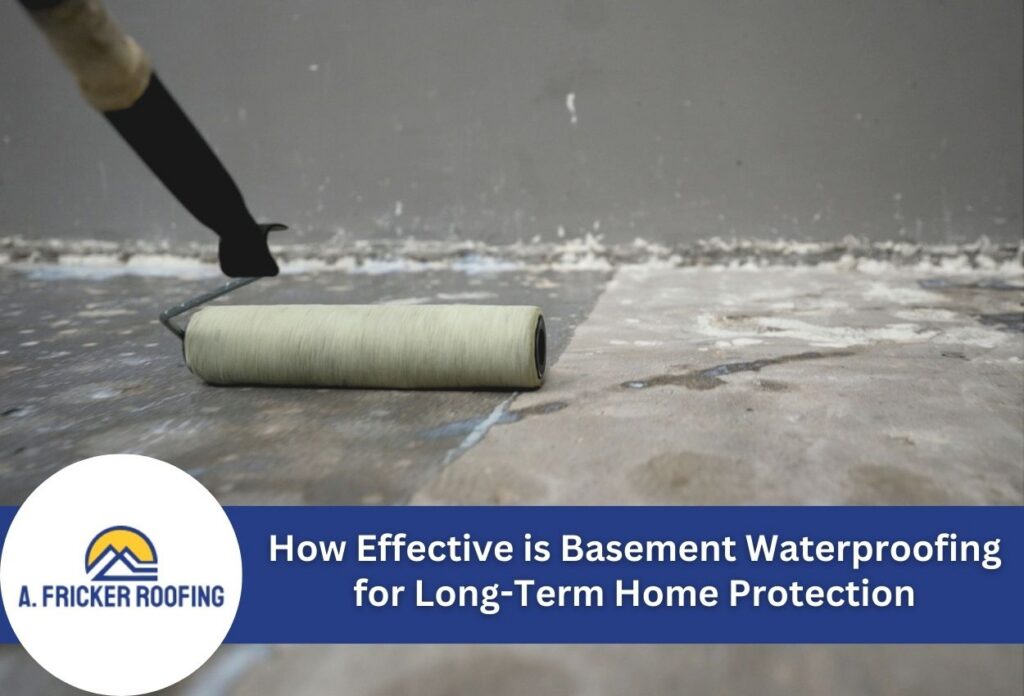
How Effective is Basement Waterproofing for Long-Term Home Protection
Key Points:
- Many professionally installed basement waterproofing systems reduce leaks, preventing water damage and moisture long-term.
- Its effectiveness depends on proper installation, material quality, and choosing the right interior or exterior method for your home.
- With proper maintenance, waterproofing systems can reliably protect your basement for 15 to 30 years, preserving home value.
Many professionally installed basement waterproofing systems reduce leaks in the majority of cases. The effectiveness of the system depends on its type, the condition of the basement, and how often it is maintained. Professional waterproofing methods create comprehensive barriers that protect homes from expensive water damage, structural deterioration, and mold growth for decades when maintained correctly.
The effectiveness of basement waterproofing depends primarily on 3 factors: proper assessment of water sources, selection of appropriate waterproofing systems, and quality installation techniques. Interior drainage systems combined with exterior waterproofing create multi-layered protection that addresses both active water intrusion and ambient moisture issues. These integrated approaches typically provide 15 to 25 years of reliable basement moisture prevention before requiring maintenance or updates.
Modern waterproofing systems utilize advanced materials and proven installation methods that significantly outperform older techniques. Professional installations include warranties ranging from 10 to 25 years, reflecting the confidence contractors have in waterproofing effectiveness. Homeowners who invest in comprehensive basement water damage protection systems typically see immediate improvements in basement conditions and long-term preservation of their property value.
Interior vs. Exterior Waterproofing Methods and Their Success Rates
Interior and exterior waterproofing methods achieve different levels of effectiveness depending on specific basement conditions and environmental factors. Interior drainage systems, including sump pumps and sealants, typically show success in managing water, particularly in basements with minor moisture issues. These waterproofing systems excel in situations where exterior access is limited or soil conditions make excavation challenging.
Exterior excavation and membrane installation approaches demonstrate higher waterproofing effectiveness. These basement waterproofing methods address water problems at their source by creating barriers before moisture reaches foundation walls. Exterior systems prove most reliable in clay soils and areas with high water tables, providing superior long-term basement moisture prevention.
The durability of waterproofing systems varies significantly between approaches. Interior methods typically require maintenance every 10 to 15 years, while exterior installations can provide 20 to 25 years of reliable basement water damage protection. Professional assessment determines which combination of interior and exterior techniques will deliver the best possible results based on soil composition, drainage patterns, and existing foundation conditions.)
Factors That Determine Waterproofing System Performance
Soil Composition: Plays a major role in waterproofing effectiveness, as clay soils retain moisture longer and create greater hydrostatic pressure against foundation walls compared to sandy or well-draining soils.
Groundwater Levels: Fluctuate seasonally and during heavy rainfall periods, which can overwhelm inadequately designed basement waterproofing methods.
Foundation Age: Significantly impacts durability. Older concrete develops cracks and deterioration that create additional entry points for water intrusion, while newer foundations typically accept waterproofing materials more effectively. Aging structures may require additional preparation or specialized techniques.
Proper Installation: Remains the most critical factor determining long-term success. Quality materials paired with experienced installation techniques ensure that basement water damage protection systems function as designed.
Site Preparation: Adequate grading and drainage improvements create conditions that support waterproofing effectiveness for decades rather than requiring premature repairs or replacements.
Expected Lifespan and Durability of Different Waterproofing Systems
Understanding the expected lifespan of various waterproofing systems helps homeowners make informed decisions about basement water damage protection investments. Membrane waterproofing systems typically provide 20 to 25 years of reliable service before requiring replacement, while coating applications generally need renewal every 8 to 12 years, depending on environmental conditions and application quality.
Drainage solutions demonstrate exceptional longevity when properly installed, with interior drain tile systems lasting 25 to 30 years and sump pump installations requiring component replacement every 10 to 15 years. These basement waterproofing methods prove most durable when combined with adequate maintenance schedules that include regular inspections and cleaning of drainage components.
Weather patterns significantly impact waterproofing systems’ durability through freeze-thaw cycles, extended wet periods, and temperature fluctuations that stress materials over time. Foundation settling creates additional challenges as shifting structures can compromise the seal’s structural integrity and drainage slopes. Regular maintenance practices, including cleaning gutters, maintaining proper grading, and addressing minor issues quickly, extend the effective lifespan of all waterproofing measures. Professional assessment every 5 to 7 years helps identify potential problems before they require complete system replacement, maximizing the return on basement moisture prevention investments.
Signs That Indicate Your Waterproofing System Is Working Effectively
Recognizing the indicators of proper waterproofing effectiveness helps homeowners monitor their basement water damage protection systems and identify potential issues before they become expensive problems. A consistently dry basement environment, even during heavy rainfall or spring snowmelt, demonstrates that waterproofing systems are functioning correctly. Basement humidity levels should remain between 30% to 50%, indicating that moisture prevention measures are controlling ambient humidity effectively.
Visual signs of successful basement waterproofing methods include the absence of water stains on walls, floors, or stored items. Foundation walls should remain dry to the touch, without condensation buildup or mineral deposits that indicate leaks. Properly functioning sump pumps activate only during bad weather, while drainage systems move water away from foundations without backup or overflow issues.
Warning signs that suggest declining waterproofing effectiveness require immediate attention to maintain protection levels. Musty odors, increased humidity readings above 60%, or visible mold growth indicate moisture intrusion that compromises basement moisture prevention systems. Water stains, efflorescence deposits, or damp spots signal that waterproofing systems may be compromised, and professional evaluation is needed to restore the best performance levels.
Common Reasons Why Basement Waterproofing Systems Fail
Even well-designed waterproofing systems can experience failures that compromise their effectiveness over time. Installation errors represent the most frequent cause of system failures, including improper membrane application, inadequate surface preparation, and incorrect drainage slopes that prevent water from flowing toward collection points. Poor material selection for specific soil conditions or foundation types can also undermine waterproofing effectiveness from the initial installation.
Environmental factors gradually compromise basement waterproofing methods through natural aging processes and changing site conditions. Foundation settlement shifts drainage slopes and creates gaps in waterproofing barriers, while freeze-thaw cycles damage membranes and sealants. Tree root growth near foundations can puncture exterior membranes and clog drainage systems, reducing their ability to provide reliable basement water damage protection.
Inadequate surface water management overwhelms even properly installed waterproofing systems during heavy rainfall. Clogged gutters, improper grading, and missing downspout extensions direct excessive water toward foundations, creating hydrostatic pressure that exceeds system design limits. Foundation cracks that develop after installation create new pathways for water intrusion that bypass existing barriers. Regular maintenance and quick repair of these issues preserve waterproofing systems’ durability and prevent minor problems from escalating into complete basement moisture prevention failures.
Maximizing Your Waterproofing Investment Through Proper Maintenance
Proper maintenance practices significantly extend waterproofing systems’ durability and preserve the effectiveness of basement water damage protection investments. Regular inspections during spring and fall seasons help identify potential issues before they compromise system performance. Essential maintenance tasks include cleaning sump pump basins, testing backup systems, and checking drainage components for debris accumulation that could impede water flow.
Homeowners can perform basic maintenance activities that support waterproofing effectiveness between professional evaluations. Keeping gutters clean and ensuring proper downspout drainage prevents excessive water accumulation around foundations. Monitoring basement humidity levels and addressing minor cracks quickly maintains the structural integrity of basement moisture prevention systems. Regular cleaning of window wells and exterior drainage channels removes debris that could redirect water toward foundation walls.
Professional waterproofing evaluations should occur every 3 to 5 years to assess system condition and identify maintenance needs. Qualified contractors can detect subtle changes in drainage patterns, membrane condition, and the structural integrity of the foundation that homeowners might overlook. These assessments help schedule preventive maintenance that maximizes the lifespan of basement waterproofing methods while avoiding expensive emergency repairs that result from neglected system components.
Protect Your Home with Expert Waterproofing Services from A. Fricker Roofing and Waterproofing
If you’re looking for reliable basement waterproofing that offers long-term protection against water damage and moisture intrusion, look no further than A. Fricker Roofing and Waterproofing. Our proven waterproofing methods are designed to effectively safeguard your home, ensuring that your basement remains dry and secure through various weather conditions and environmental challenges. Don’t let water damage threaten the structural integrity of your home. Call us today at (918) 402-7167 to discuss your waterproofing needs and how we can help you maintain a dry and healthy living environment. Act now to protect your home’s foundation and your peace of mind.