

Fall roof maintenance is one of the most important seasonal preparations homeowners can undertake to protect their property. As temperatures drop and harsh winter weather approaches, roofs face their greatest annual test from snow, ice dams, and freezing temperatures that can exploit even minor vulnerabilities.
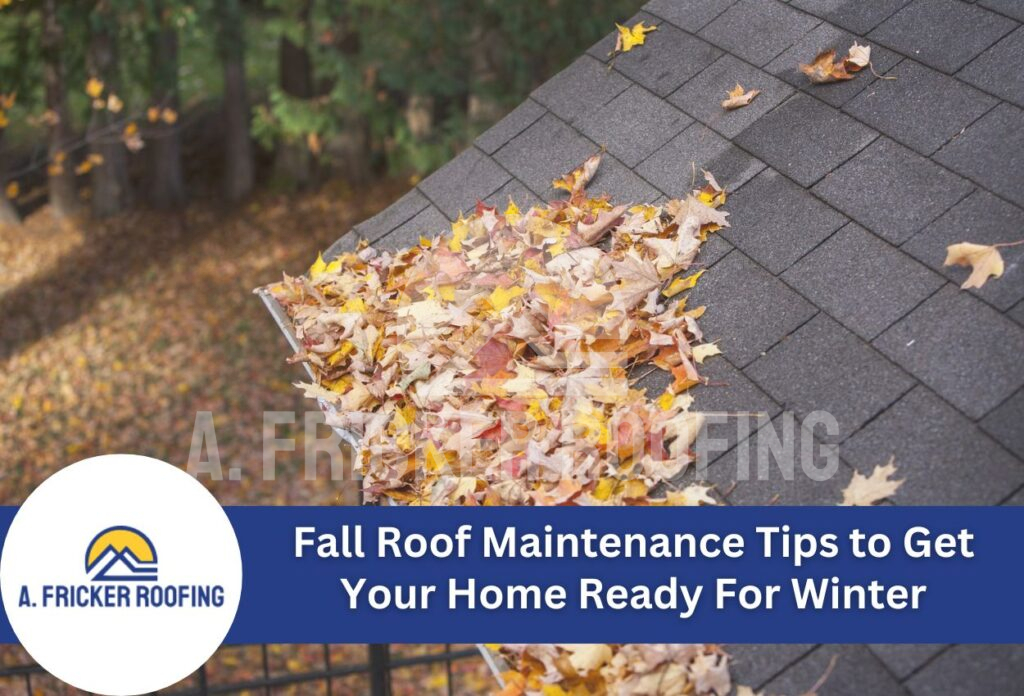
The autumn maintenance window provides the best conditions for addressing common roofing concerns. Gutter cleaning and maintenance become essential as falling leaves create blockages that can cause water backup and ice formation. Roof safety during autumn requires careful planning, but the investment of time and effort pays off when harsh weather arrives.
Seasonal roof preparation during autumn prevents expensive emergency repairs that often occur when winter storms hit unprepared homes. A roof inspection before winter can show potential problems while weather conditions still allow for safe repairs. These proactive measures significantly reduce the risk of roof damage and prevent issues that can lead to interior water damage, structural problems, and expensive restoration work.
Conducting a Thorough Pre-Winter Roof Inspection
A roof inspection before winter requires an examination from multiple vantage points to identify potential vulnerabilities. When examining from ground level, look for missing, cracked, or curling shingles that appear darker or different in color from surrounding materials. Damaged flashing around chimneys, vents, and roof edges often signals areas where leaks may occur during freeze-thaw cycles. Sagging roof lines or visible gaps in roofing materials indicate structural concerns requiring immediate professional evaluation.
Gutter cleaning and maintenance reveal important clues about the condition of the roof. Excessive granule accumulation in gutters suggests accelerated shingle deterioration, while rust stains or water damage on exterior walls point to drainage problems. Overflowing gutters or separated downspouts create conditions for ice dam formation during winter.
Professional inspection becomes necessary when homeowners observe water stains on interior ceilings, detect musty odors in attic spaces, or notice daylight visible through roof boards. These warning signs indicate advanced deterioration requiring specialized assessment and immediate intervention. Roof safety during autumn needs professional expertise when steep angles, wet conditions, or structural damage present hazardous inspection conditions.
Complete Gutter System Cleaning and Maintenance
Effective gutter cleaning and maintenance form the backbone of successful fall roof maintenance tips, protecting homes from water damage and ice formation. The cleaning process begins with removing large debris by hand, working systematically from downspouts toward gutter ends to prevent pushing materials into drainage areas.
Safety equipment, including sturdy ladders, non-slip shoes, and work gloves, ensures a secure footing during debris removal. A garden hose with a spray attachment helps flush remaining sediment and small particles from gutter channels while testing water flow toward downspouts. Proper drainage occurs when water moves freely without pooling or backing up at joints and corners.
Downspout maintenance requires checking for clogs by running water through the system and observing exit points. Stubborn blockages often respond to plumber’s snakes or pressure washing from the bottom openings. Seasonal roof preparation includes inspecting downspout attachments, brackets, and extension pieces that direct water away from foundation areas.
Minor gutter repairs address loose hangers, small holes, or separated joints before winter weather worsens these conditions. Roof damage prevention includes ensuring gutters maintain proper slope toward downspouts and remain securely fastened to fascia boards. Rust spots or corrosion require immediate attention to prevent system failure during heavy precipitation.’
Identifying and Addressing Common Roof Damage Before It Gets Worse
Shingle damage often appears as cracked edges, missing granules, or lifted corners that catch wind during storms. These seemingly small problems allow leaks that saturate insulation and promote mold growth. A single damaged shingle can compromise the surrounding materials, creating a cascading effect that spreads throughout entire roof sections when left unaddressed.
Flashing problems around chimneys, skylights, and vent gaps represent the most vulnerable areas requiring immediate attention during seasonal roofing preparation. Deteriorated caulk, loose metal strips, or gaps in sealed joints create direct pathways for water entry. These areas can experience constant expansion and contraction cycles that gradually separate materials and compromise weatherproofing.
Seal problems at roof valleys, ridge caps, and drip edges often develop gradually but accelerate rapidly once winter freeze-thaw cycles begin. Regular roof inspection before winter identifies these critical areas where different roof planes meet, and water naturally collects. Addressing seal problems during autumn prevents expensive emergency repairs when winter storms expose these weakened areas.
Preparing Your Roof Structure for Harsh Winter Weather
Winter weather preparation requires addressing structural hazards and ensuring adequate attic conditions that support roof integrity throughout the coldest months. Trees surrounding homes pose significant threats when heavy snow loads or ice storms cause branches to break and fall onto roof surfaces.
Overhanging branches should be trimmed back at least 6 feet from the roof’s edges to prevent contact during high winds. Dead or weakened limbs present the greatest risk, as they break easily under stress and can puncture shingles or damage gutter systems. Professional tree services handle large branches safely, while smaller limbs can be removed by homeowners using proper equipment and techniques.
Attic ventilation plays an important role in preventing ice dams by maintaining consistent roof surface temperatures. Adequate air circulation requires balanced intake vents at roof edges and exhaust vents near ridge areas. Blocked vents from debris, insulation, or animal nests prevent proper airflow and create conditions where melting snow refreezes at the roof edges.
Insulation levels directly impact roof performance during winter conditions. Insufficient attic insulation allows heat transfer that creates uneven roof temperatures, contributing to ice dam development. The combination of proper ventilation and adequate insulation maintains roof surface temperatures that prevent problematic freeze-thaw cycles.
Removing potential hazards includes securing loose gutters, replacing damaged flashing, and ensuring all roof-mounted equipment remains properly anchored. These preparations strengthen roof systems against winter weather challenges while supporting long-term structural integrity throughout harsh seasonal conditions.
Best Safety Practices for Autumn Roof Maintenance Tasks
Roof safety during autumn requires proper preparation and equipment before attempting any maintenance work. Essential safety equipment includes non-slip shoes with good tread, sturdy extension ladders rated for user weight plus tools, and safety harnesses for steep roof angles. Weather conditions play a critical role in determining when roof work can proceed safely, as wet leaves, frost, or windy conditions create hazardous surfaces that significantly increase the risk of falls.
Morning dew and afternoon temperature changes create slippery conditions that make autumn roof work particularly dangerous. Ideal working conditions include dry weather, temperatures above freezing, and wind speeds below 15 mph. Seasonal roof preparation should never proceed during or immediately after rain, as wet shingles become extremely slippery and increase accident probability.
Ladder safety requires three-point contact at all times, with proper angle placement at a 4-to-1 ratio. The ladder base should sit 1 foot away from the house for every 4 feet of ladder height. Having a spotter remain at the ladder’s base provides additional security and assistance when moving tools or materials.
Understanding personal limitations prevents serious injuries during fall roof maintenance tasks. Homeowners with balance issues, fear of heights, or physical limitations should avoid roof work entirely. Complex repairs, steep angles exceeding a 6/12 pitch, or structural damage assessment require professional roofing contractors who possess specialized equipment, training, and insurance coverage for safe completion of dangerous maintenance tasks.
Creating Your Fall Roof Maintenance Schedule and Action Plan
Developing a systematic approach to fall roof maintenance requires prioritizing tasks based on safety risks and potential damage severity. Critical repairs that prevent leaks take precedence over cosmetic improvements, ensuring limited time and resources address the most pressing concerns before winter weather arrives.
High-priority tasks include replacing missing shingles, sealing flashing gaps, and clearing blocked gutters that could cause immediate water damage. Medium-priority items encompass minor repairs like loose shingles or small problems that could become worse over winter. Lower-priority maintenance includes preventive treatments and aesthetic improvements that can wait until spring weather returns.
A realistic timeline allocates sufficient time for each task while accounting for weather delays and equipment availability. Gutter cleaning and maintenance typically requires 1 to 2 days, depending on the size of the home, while roof inspection before winter can often be completed in several hours. More complex repairs may need multiple weekend sessions or professional scheduling that extends completion timeframes.
Building relationships with trusted local contractors ensures reliable service when projects exceed homeowner capabilities or safety comfort levels. Establishing these connections before emergencies arise prevents delays and ensures quality workmanship during peak work periods. Roof damage prevention benefits significantly from having established contractor relationships, as familiar professionals understand specific property challenges and provide faster response times.
Seasonal roof preparation succeeds when homeowners balance realistic expectations with thorough planning, ensuring essential maintenance tasks receive proper attention before winter conditions make repairs difficult or impossible to complete safely.
Ensure Your Roof is Winter-Ready with A. Fricker Roofing and Waterproofing
At A. Fricker Roofing and Waterproofing, we specialize in identifying and repairing any issues that could lead to major problems during the harsh winter. Whether it’s fixing loose shingles, addressing flashing issues, or ensuring your gutter system is clean and functional, our team is here to help.
Protect your home by ensuring your roof is in top condition before winter hits. Schedule a professional roof inspection and maintenance service today by calling us at (918) 402-7167. Let us provide you with peace of mind this winter season.