
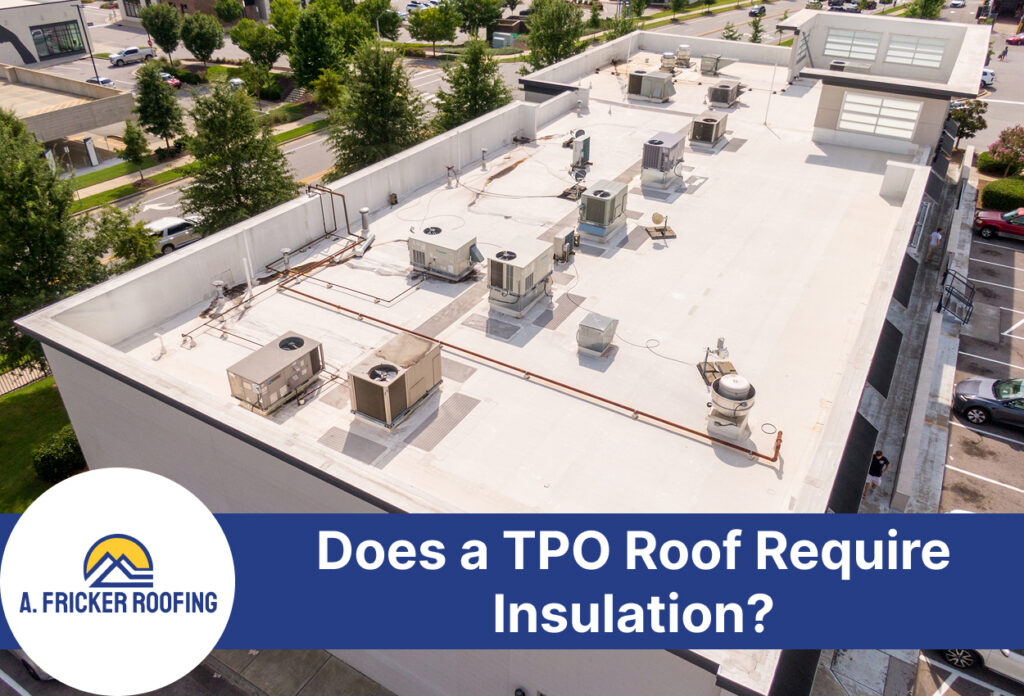
Does a TPO Roof Require Insulation?
- Yes, TPO Roofs Require Insulation: Insulation is crucial for TPO roofs, ensuring energy efficiency, code compliance, and preventing premature membrane failure.
- Meet Codes: Consult local building codes and climate zone requirements, as they mandate specific R-values for your TPO roof’s insulation.
- Boost Performance: Install rigid foam insulation such as polyiso or XPS to reduce energy bills and significantly extend your TPO roof’s lifespan.
- Avoid Issues: Inadequate insulation leads to higher utility costs, condensation, and reduced TPO membrane durability. Consult professionals for optimal design.
The straightforward answer is yes, all TPO roofs require insulation for most installations. While the TPO membrane itself provides a layer of waterproof protection, insulation plays a crucial role in energy efficiency, temperature regulation, and meeting building code requirements. The specific TPO roof insulation requirements depend on factors including local weather, building type, and local regulations.
TPO roofing systems have emerged as a leading choice for flat and low-slope commercial and residential buildings due to the material’s durability, energy efficiency, and cost-effectiveness. This single-ply membrane offers excellent resistance to UV rays, chemicals, and punctures while maintaining flexibility in various weather conditions.
TPO membrane installation typically involves layering insulation boards beneath the membrane to create a complete roofing system. Common flat roof insulation options include polyiso, EPS, and mineral wool boards. Commercial roof insulation standards often mandate specific R-values to ensure proper thermal performance and TPO roof energy efficiency. Understanding these requirements helps property owners make informed decisions about their investment and long-term building performance.
Building Code Requirements and Energy Standards for TPO Installations
Local building codes establish specific TPO roof insulation requirements that vary significantly based on geographic location and climate conditions. These regulations require minimum R-values for commercial roof insulation to ensure buildings meet standards for energy efficiency. International Energy Conservation Code guidelines typically require R-values ranging from R30 to R49 for flat roof insulation, depending on the exact climate zone.
Climate zones play a critical role in determining mandatory insulation specifications for TPO membranes and other roof installation projects. Buildings located in colder regions face stricter requirements due to greater heating demands, while warmer climates focus on reducing the need to run cooling systems. Local building departments often adopt modified versions of national codes that reflect local weather patterns and energy costs.
Standards for energy efficiency continue evolving to promote better building performance and reduce environmental impact. Modern building codes frequently require continuous insulation beneath TPO membranes to eliminate thermal bridging and maximize the energy efficiency of a TPO roof. In order for this to occur properly, property owners must work with qualified contractors who understand current regulations and can design systems that meet or exceed minimum code requirements for their specific location and building type.
Benefits of Installing Insulation Beneath TPO Roofing Membranes
Installing proper insulation beneath TPO roofing membranes delivers significant improvements to energy efficiency that directly reduce heating and cooling costs for building owners. The thermal barrier created by commercial roof insulation prevents unwanted heat transfer, maintaining consistent indoor temperatures all year long. Buildings with the right flat roof insulation options can achieve energy savings of 20% to 30% compared to uninsulated installations, making insulation a worthwhile investment for long-term operational expenses.
Insulation also dramatically improves TPO membrane performance and extends system longevity by protecting the membrane from extreme thermal cycling. Without insulation, TPO membranes experience rapid temperature fluctuations that cause expansion and contraction, leading to premature cracking and seam failures as the years progress. Properly installed insulation moderates these temperature swings, reducing membrane stress and maintaining flexibility.
The enhanced energy efficiency achieved through proper insulation creates more stable roof deck temperatures, preventing condensation issues that can damage structural components. This thermal stability allows TPO membrane installation to perform optimally throughout its expected lifespan. Buildings with well-insulated TPO systems experience fewer maintenance issues and longer replacement cycles, providing a better return on investment for property owners seeking reliable roofing solutions.
Types of Insulation Materials Compatible with TPO Roofing Systems
Several rigid foam insulation options work effectively beneath TPO membrane installation systems, each offering distinct advantages for specific applications. Polyiso boards provide excellent thermal resistance with R-values around 6.5 per inch, making them ideal for meeting strict commercial roof insulation requirements. These lightweight boards resist moisture and maintain dimensional stability under TPO membranes.
XPS offer superior moisture resistance and consistent R-values of approximately 5 per inch, making them suitable for areas with high humidity or potential water exposure. EPS provides cost-effective flat roof insulation options with R-values around 4 per inch, though it requires careful handling during installation to prevent damage.
Proper Installation Methods for TPO Roofs with Insulation
The layered approach to TPO membrane installation begins with proper preparation of the roof deck, followed by strategic placement of vapor barriers when required. Vapor barriers prevent moisture infiltration between the interior of the building and the insulation, ruining performance or creating condensation issues. The insulation boards are then positioned continuously across the surface of the roof deck, with staggered joints to eliminate thermal bridging that reduces energy efficiency.
Insulation placement requires careful attention to board alignment and gap elimination to maintain continuous thermal protection. Commercial roof insulation boards must be mechanically fastened or adhered according to manufacturer specifications and wind uplift requirements. The TPO membrane itself should be installed with appropriate attachment methods, whether that’s fully adhered, mechanically attached, or ballasted, depending on project specifications.
Critical installation details focus on preventing thermal bridging through fastener penetrations and membrane attachment points. Thermal isolation plates beneath fasteners prevent metal conductivity through the insulation layer, preserving the system’s overall thermal performance. Proper seaming techniques at membrane joints also ensure a weathertight installation while maintaining the effectiveness of flat roof insulation. These installation methods work together to maximize the energy efficiency of a TPO roof while providing long-term durability and weather protection for commercial and residential buildings.
Consequences of Installing TPO Without Adequate Insulation
Installing a TPO roofing system without proper insulation creates significant problems with energy efficiency that result in substantially higher utility costs for building owners. Buildings with the wrong commercial roof insulation experience excessive heat transfer, forcing HVAC systems to work harder, maintaining comfortable interior temperatures. This increased demand for energy can raise heating and cooling costs by around 40% to 60% compared to properly insulated installations, creating ongoing financial strain for property owners.
Poor or missing insulation beneath a TPO membrane leads to serious condensation problems within the roof. Temperature differences between interior and exterior surfaces cause moisture accumulation that can damage structural components and compromise building integrity. These conditions also accelerate TPO membrane degradation, reducing the expected lifespan from 20 to 25 years to potentially 10 to 15 years through thermal cycling stress.
Structural issues often develop when flat roof insulation options are inadequate or absent entirely. Repeated thermal expansion and contraction creates membrane stress that leads to cracking, seam failures, and premature system replacement. The lack of thermal barrier protection exposes the roof deck to extreme temperature changes, potentially causing warping or deterioration over the years.
Making the Right Decision for Your TPO Roofing Project
Determining the appropriate insulation strategy for a TPO roofing project requires carefully evaluating multiple factors. Weather patterns play the primary role in establishing TPO roof insulation requirements, as buildings in colder regions need higher R-values to prevent heat loss and ice dam formation. Building usage also influences the choice in insulation, with warehouses requiring different specifications than office buildings due to various occupancy and temperature control needs.
Building envelope characteristics including wall insulation, window efficiency, and air sealing affect overall thermal performance and influence flat roof insulation options selection. Older buildings with little to no insulation in the walls may require enhanced roof insulation to compensate for thermal losses through other building components. Budget considerations must balance initial installation costs against long-term energy savings and system longevity when selecting commercial roof insulation materials.
Professional roofing contractors bring essential expertise to TPO membrane installation projects, ensuring compliance with local building codes and manufacturer specifications. Qualified contractors can perform thermal modeling calculations to optimize TPO roof energy efficiency while meeting budget constraints. They also coordinate with building architects and engineers to integrate roofing systems with other building components for maximum performance. Property owners benefit from working with experienced professionals who understand regional climate challenges and can recommend proven solutions for their specific applications.
Get Expert TPO Roofing Services in Tulsa with A. Fricker Roofing and Waterproofing
Understanding the insulation needs for your TPO roof is crucial for any property owner in Tulsa. With the diverse weather conditions and local building codes, ensuring your TPO roof has the right insulation is not just about compliance, but also about maximizing energy efficiency and extending the lifespan of your roof. At A. Fricker Roofing and Waterproofing, we specialize in providing top-notch TPO roofing solutions that meet all local building requirements and are tailored to the specific needs of your building.
Don’t compromise on the quality and efficiency of your roofing. Ensure your TPO roof is equipped with the best insulation to save on energy costs and protect your investment. Call us today at (918) 402-7167 for a consultation and see how we can help you achieve the best results for your roofing project.