
Key Takeaways:
- Prevent Mold Early: Control moisture by regularly clearing debris, trimming branches at least 10 feet from the roof, and ensuring proper attic ventilation.
- Remove Mold Safely: Use oxygen bleach solutions and soft washing. Avoid high-pressure washing or harsh chlorine bleach to prevent damage to your cedar shakes.
- Act Quickly: Untreated cedar shake mold significantly shortens roof lifespan from 30 to 40 years to 10 to 15 years. For extensive mold, professional treatment is important.
- Evaluate Damage: For widespread structural compromise or soft, spongy shakes, consult a professional to assess if replacement is more cost-effective than repair.
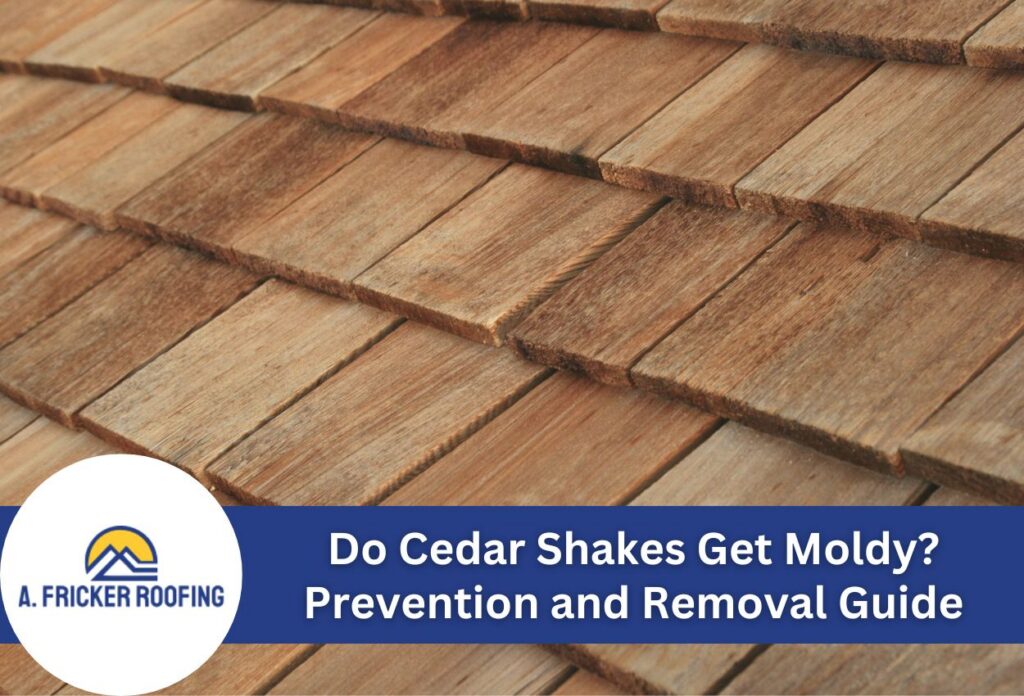
Cedar shakes get moldy under the right conditions, making mold growth a genuine concern for homeowners with this roofing material. The natural properties of cedar wood create an environment where mold and mildew can thrive when moisture is present. Cedar’s porous structure acts like a sponge, absorbing water during rainstorms and retaining moisture in humid weather. This water absorption, combined with the organic nature of wood, provides an ideal breeding ground for mold spores to establish colonies on the surface of the roof.
Several environmental factors accelerate mold development on cedar shake roofs. Shaded areas where sunlight rarely reaches stay damp longer after rain. Poor attic ventilation traps humid air beneath the shakes, while debris like leaves and pine needles accumulate in roof valleys and against the wood, holding moisture against the surface. Homes in particularly humid climates face greater challenges with cedar shake roof maintenance due to consistently elevated moisture levels. Understanding why cedar shakes are vulnerable to mold growth helps property owners recognize early warning signs and take proactive steps toward preventing mold on cedar shingles before serious damage occurs.
Signs Your Cedar Shake Roof Has Developed Mold or Mildew
Identifying mold on a cedar shake roof requires knowing what to look for beyond typical weathering patterns. Black streaks running down the shakes indicate algae or mold colonies that have taken hold on the surface. Green patches signal moss growth, which often accompanies mold in damp conditions. White fuzzy spots reveal active mildew colonies spreading across the wood. These visual indicators differ from the natural silvery-gray patina that cedar develops as it ages, appearing instead as distinct discolorations that interrupt the uniform appearance of the roof.
Beyond surface appearances, structural changes signal that mold has gone deeper into the wood fibers. Shakes that feel soft or spongy when pressed indicate that rot has compromised the wood’s structural integrity. Curling edges that lift away from the roof deck suggest moisture damage beneath the surface. When shakes crumble easily or show premature deterioration despite a relatively young roof age, mold has likely accelerated the breakdown process. These warning signs require immediate attention, as cedar roof mold removal becomes more complex once structural damage occurs, potentially shortening the cedar shake roof’s lifespan significantly.
How Mold Affects the Longevity of Your Cedar Shake Roof
Mold attacks cedar shakes at the cellular level, breaking down the wood fibers that give the material its strength and weather resistance. Fungal growth releases enzymes that digest the lignin and cellulose within the wood structure, essentially eating away at the shake from the inside out. This biological decay process accelerates dramatically once established, transforming a roof that should last 30 to 40 years into one requiring replacement within 10 to 15 years. The organic acids produced by mold colonies soften the wood, making shakes increasingly brittle and prone to cracking under normal temperature fluctuations and weather exposure.
The structural weakening caused by mold creates cascading problems that extend beyond the shakes themselves. High winds that a healthy cedar roof would easily withstand can tear away mold-damaged shakes, leaving gaps in the protective barrier. These openings allow water to leak into the underlayment and roof deck, potentially causing interior water damage and compromising the home’s structural integrity. Weakened shakes also lose their ability to shed water effectively, leading to increased moisture retention that feeds additional mold growth. This cycle of deterioration often requires a complete roof replacement rather than simple repairs, making proper cedar shake roof maintenance and early intervention important for protecting the investment.
Effective Methods to Remove Mold from Cedar Shake Roofs
Oxygen bleach solutions offer a safe and effective approach for cedar roof mold removal without damaging the wood fibers. This treatment dissolves mold spores and organic staining while preserving the natural oils within the cedar. Soft washing methods apply cleaning solutions at low pressure, allowing the treatment to seep into the wood without forcing water deeper into the shakes or splintering the surface. Professional treatments typically combine specialized fungicides with biodegradable surfactants that lift mold colonies from the wood grain. These solutions work by breaking down the cellular structure of the mold rather than simply bleaching away surface stains.
Application timing plays an important role in treatment success. Cleaning during overcast days prevents solutions from evaporating too quickly, giving the product time to work effectively. The treatment should remain on the surface for 15 to 20 minutes before gentle rinsing with garden hose pressure. Avoid pressure washing equipment, as the intense force splinters cedar fibers and drives water beneath the shakes, where it promotes additional mold growth. Harsh chlorine bleach deteriorates wood fibers and strips away natural protective oils that help cedar resist future leaks. Incomplete treatments that address only visible mold leave spores embedded in the wood, leading to rapid regrowth within weeks of cleaning.
Proven Strategies to Prevent Mold Growth on Cedar Shingles
Controlling moisture exposure remains the most effective defense against mold development on cedar shake roofs. Regular debris removal prevents leaves, twigs, and organic matter from accumulating in roof valleys and between individual shakes, where they trap moisture against the wood surface. Clearing this material every 3 months eliminates the damp environment where mold spores establish colonies. Trimming overhanging tree branches allows direct sunlight to reach the surface of the roof, naturally drying moisture and creating conditions hostile to fungal growth. Branches that remain within 10 feet of the roof create perpetual shade and drop debris throughout the year.
Proper attic ventilation prevents condensation from forming on the underside of cedar shakes, addressing moisture problems that originate inside the home rather than from external weather exposure. Ridge vents paired with soffit vents create continuous airflow that removes humid air before it condenses against cool wood surfaces. Zinc strips installed at the roof ridge release metal ions during rain that wash down the shakes, inhibiting mold and algae growth through natural antimicrobial properties. Breathable wood preservatives seep deep into cedar fibers without sealing the surface, allowing the wood to expand and contract naturally while repelling moisture and preventing spore colonization. Applying these treatments during dry periods ensures maximum absorption and effectiveness for preventing mold on cedar shingles throughout the seasons.
Essential Cedar Shake Roof Maintenance to Minimize Mold Risk
Establishing a seasonal maintenance schedule provides the structure needed to catch mold problems before they compromise the roofing system. Spring inspections should focus on winter damage assessment, checking for lifted shakes and leaks around flashing details. Summer offers ideal conditions for professional treatments and repairs when dry weather allows proper curing. Fall maintenance prioritizes gutter cleaning to prevent water backup during heavy rain seasons, while removing accumulated debris that would otherwise trap moisture against shakes throughout winter. Each inspection should document problem areas with photos to track progression between visits, helping identify patterns that indicate ventilation deficiencies or drainage issues requiring correction.
Homeowners can handle basic tasks like debris removal and visual inspections, but certain situations require professional expertise. Extensive mold coverage exceeding 20% of the surface of the roof requires specialized treatment equipment and knowledge of proper application techniques. Structural damage, including soft spots or widespread shake deterioration, indicates problems beyond surface cleaning. Roofing specialists possess the experience to assess whether shakes need replacement or if treatment can restore functionality, preventing expensive mistakes that arise from misdiagnosing the severity of mold damage and its impact on cedar shake roof lifespan.
Making Informed Decisions About Cedar Shake Roofs and Mold
Cedar shake roofs deliver natural beauty and durability, but require realistic expectations regarding mold potential and maintenance needs. Properties in coastal regions or heavily wooded areas face elevated mold risks due to persistent humidity and limited sunlight exposure. Homeowners willing to commit to quarterly inspections and professional treatments every few years will maintain healthy cedar roofs that resist mold damage. Those unable or unwilling to invest this level of attention may find alternative roofing materials more practical for their circumstances. Climate conditions directly influence whether cedar shakes represent a sensible long-term choice, with drier regions offering better outcomes than consistently humid environments.
Determining whether mold damage warrants repair or complete replacement depends on assessing the extent of deterioration throughout the roofing system. Isolated sections with surface mold respond well to cleaning and preventive treatments, extending the roof’s functional life without major expense. Widespread structural compromise affecting multiple areas signals that replacement offers better value than attempting extensive repairs on failing materials. Professional roofing contractors evaluate the shake’s structural integrity, underlayment condition, and deck soundness to recommend solutions matching the roof’s actual state rather than addressing only visible symptoms. This assessment prevents incomplete fixes that waste resources on roofs already beyond practical repair.
Protect Your Cedar Shake Roof from Mold with A. Fricker Roofing and Waterproofing
If you’ve noticed signs of mold on your cedar shake roof, it’s important to address them quickly to preserve the structural integrity and longevity of your roofing. At A. Fricker Roofing and Waterproofing, we specialize in cedar roof mold removal and prevention strategies that safeguard your roof against future mold issues. Mold can drastically shorten the lifespan of cedar shakes and compromise the structural integrity of your roof.
Don’t let mold damage lead to expensive repairs or full roof replacement. Take action today by contacting A. Fricker Roofing and Waterproofing. Our expert team uses safe, effective methods tailored to cedar shake roofs, ensuring your roof remains beautiful and functional for years to come. Call us now at (918) 402-7167 to schedule a consultation and protect your investment.