
Common Roof Underlayment Installation Mistakes That Can Damage Your Home
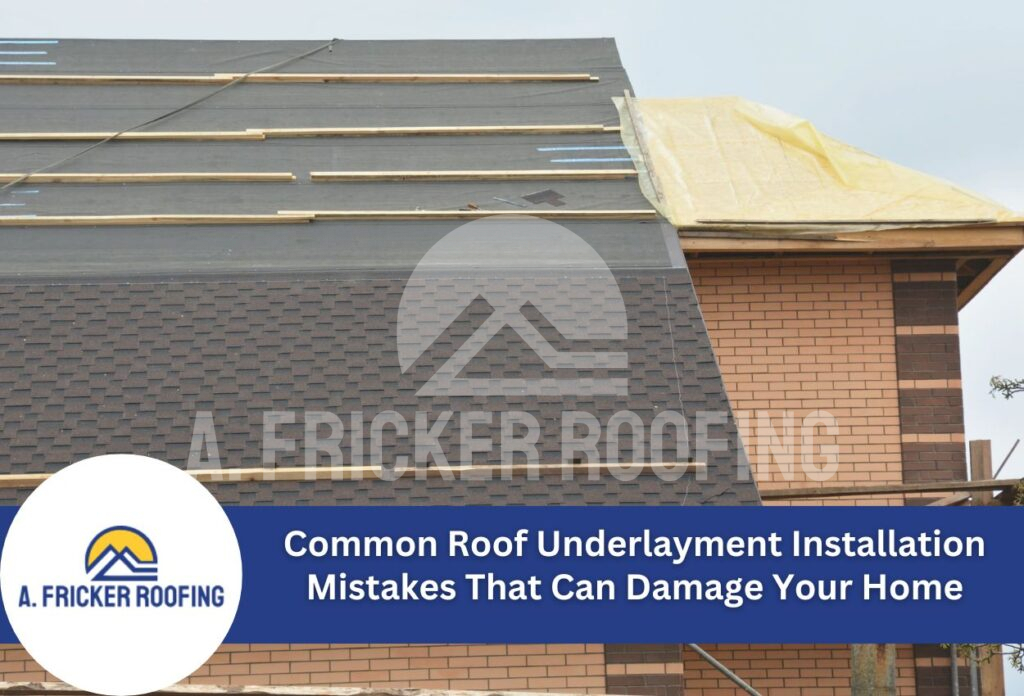
Roof underlayment is an important barrier between your home’s structure and the elements, yet common installation mistakes can compromise this protection entirely. This secondary waterproof layer sits directly beneath your shingles and plays a vital role in preventing water damage, ice dam formation, and expensive structural repairs.
Many homeowners discover too late that improper installation techniques have left their homes vulnerable to leaks. Small errors during the installation process can void manufacturer warranties and lead to expensive repairs down the road. Water that gets through compromised underlayment can cause wood rot, mold growth, and damage to insulation and interior walls.
Professional roofers emphasize that installation best practices must be followed precisely to ensure maximum protection. Even experienced contractors can make critical errors that compromise the entire roofing system’s effectiveness. Recognizing these common mistakes before they occur saves homeowners from dealing with preventable water damage and structural issues that could have been easily avoided with proper installation methods.
Choosing the Wrong Underlayment Material for Your Climate
Selecting inappropriate underlayment materials ranks among the most expensive common roof underlayment installation mistakes homeowners face. Climate conditions directly influence which roof underlayment types will perform effectively over time, yet many contractors default to whatever material they have in stock rather than matching products to local weather patterns.
The synthetic underlayment vs. felt paper debate becomes important when considering temperature extremes and moisture exposure. Traditional felt paper absorbs water and can deteriorate rapidly in humid conditions, while synthetic options resist moisture but may expand excessively in high heat. Oklahoma’s variable climate, with hot summers and occasional ice storms, demands careful material selection to prevent premature failure.
Common material selection errors include using standard felt in areas requiring ice and water shield installation, particularly around roof gaps and eaves. Many contractors also install lightweight synthetic materials in regions experiencing high winds, where heavier-duty options would provide better protection. These mistakes leave roofing systems vulnerable to leaks during severe weather.
Proper underlayment installation techniques require matching material properties to specific climate challenges. Areas prone to ice dam formation need self-adhering membranes, while regions with intense heat exposure benefit from synthetic products with superior thermal stability. Understanding these requirements prevents moisture damage and extends the overall roof system lifespan through appropriate material selection.
Improper Overlap and Seaming Techniques
Incorrect overlap measurements create significant vulnerabilities in roofing systems, allowing water to go through gaps that should remain completely sealed. Professional underlayment installation best practices require precise overlap, typically 4 to 6 inches on horizontal seams and 6 inches on vertical seams, yet many contractors cut corners by reducing these important measurements.
Water infiltration occurs rapidly when overlaps fall short of manufacturer specifications. Even small gaps of 1 or 2 inches can channel substantial amounts of moisture into the roof deck during heavy rainfall or snow melt. These weak spots often develop into major leak sources that compromise the entire roofing system’s structural integrity over time.
Sealing and fastening mistakes compound overlap problems by failing to create proper waterproof barriers between layers. Common errors include inadequate adhesive application on self-adhering membranes, improper nail placement that creates puncture points, and insufficient pressure during installation that prevents proper bonding. These issues are particularly problematic with ice and water shield installation, where complete adhesion is essential.
Different roof underlayment types require specific seaming techniques that many installers overlook. Synthetic underlayment and felt paper installations need different overlap methods and fastening patterns. When contractors apply identical techniques across various materials, they create inconsistent protection levels that leave certain areas vulnerable to moisture penetration during severe weather events.
Ice and Water Shield Placement Errors
Ice and water shield placement errors represent some of the most damaging common roof underlayment installation mistakes because these barriers protect the most vulnerable areas of roofing systems. Many contractors fail to install ice and water shields in critical locations where ice dams typically form, leaving homes exposed to water damage during winter weather conditions.
Missing coverage in valleys creates immediate vulnerability since these areas channel the highest volume of water runoff. Eaves without proper ice and water shield installation allow melting snow to back up under shingles when gutters become blocked with ice. Roof gaps around vents, chimneys, and skylights require complete sealing with self-adhering membranes, yet contractors often rely solely on caulking or flashing tape.
Improper installation techniques reduce the effectiveness of even properly placed barriers. Common errors include failing to remove the release backing, inadequate surface preparation that prevents proper adhesion, and installation over wet or frozen surfaces. These roof underlayments require specific temperature ranges and clean, dry surfaces to bond effectively with roof decking materials.
Proper underlayment installation techniques for ice and water shield demand extending coverage at least 3 feet beyond interior wall lines on eaves and up both sides of valleys. Many installers stop short of these requirements, creating gaps where ice dams can force water underneath. Temperature conditions during installation significantly affect adhesion quality, making timing important for long-term performance.
Fastener Problems That Compromise Protection
Fastener-related errors create some of the most common roof underlayment installation mistakes that undermine roofing system effectiveness. Using the incorrect types of nails can puncture underlayment materials, creating water entry points that defeat the purpose of this protective barrier. Cap nails work best for most roof underlayment types, while standard roofing nails often tear through synthetic materials or create oversized holes in felt products.
Improper spacing between fasteners allows underlayment sections to lift and flutter during wind, gradually loosening the entire installation. Manufacturer specifications typically require fasteners every 6 to 12 inches along edges and 18 to 24 inches in field areas, depending on which manufacturer makes the product you’ve chosen. This approach leaves large sections unsecured during storms.
Over-fastening creates numerous puncture points that channel water directly through the underlayment layer. Contractors who drive nails too deeply can tear synthetic materials or compress felt products, reducing their waterproofing effectiveness. On the other hand, under-fastening allows materials to move independently from the roof deck, creating gaps where proper underlayment installation techniques would maintain continuous coverage.
Fastener placement along seams requires special attention since incorrect positioning can prevent proper overlap adhesion. When comparing synthetic underlayment and felt paper installations, each material needs specific fastening patterns to maintain structural integrity. Nails placed too close to edges can cause tearing, while fasteners driven through overlap areas can create leak paths between layers.
Timing and Weather-Related Installation Mistakes
Weather conditions during installation significantly impact underlayment performance, yet many contractors proceed with improper installations regardless of environmental factors. Installing underlayment during rain, snow, or high humidity compromises adhesion quality and creates immediate moisture problems within the roofing system. These timing-related underlayment installation mistakes often result in premature failure and voided manufacturer warranties.
Temperature extremes affect different types of roof underlayment in distinct ways during installation. Synthetic materials become difficult to handle and may not conform properly to roof contours in cold weather, while adhesive-backed products lose bonding strength when applied in freezing conditions. Hot weather creates opposite challenges, causing materials to become overly pliable and potentially damaging during handling.
Leaving underlayment exposed for extended periods before final roof installation causes significant deterioration. UV radiation breaks down both synthetic and felt materials within weeks of exposure, reducing their waterproofing capabilities substantially. Wind exposure during extended installation delays can tear or displace improperly secured sections, creating gaps that require complete reinstallation.
Proper underlayment installation techniques require dry conditions with temperatures within manufacturer-specified ranges. Ice and water shield installation proves particularly sensitive to temperature and moisture conditions, as cold surfaces prevent proper adhesion while wet surfaces create bonding failures. Understanding these weather-related limitations prevents installation problems that compromise long-term roofing system performance and protection.
How to Verify Your Contractor Avoids These Common Issues
Preventing common roof underlayment installation mistakes starts with asking specific questions about your contractor’s experience and installation processes. Inquire about their familiarity with different types of roof underlayment and how they determine appropriate materials for local climate conditions. Ask contractors to explain their approach to proper underlayment installation techniques, including overlap measurements, fastener spacing, and seam sealing methods.
Request details about their experience with synthetic underlayment vs. felt paper installations, and when they recommend each option. Contractors should demonstrate knowledge of ice and water shield installation requirements, including placement locations and surface preparation techniques. Ask about their procedures for handling weather delays and temperature-sensitive installations to ensure they follow manufacturer specifications.
Warning signs during installation include contractors working in unsuitable weather conditions or using generic fastening patterns across different materials. Watch for installers who rush through overlap measurements or fail to properly prepare surfaces before applying self-adhering membranes. Red flags include leaving underlayment exposed for extended periods without protection or using incorrect nail types for specific materials.
Observe whether workers follow underlayment installation best practices by maintaining consistent overlap dimensions and proper fastener spacing. Contractors who demonstrate thorough knowledge of material-specific requirements and weather-related limitations typically deliver superior installations. Document any deviations from discussed procedures and address concerns immediately to prevent expensive mistakes that compromise your roofing system’s long-term performance and protection.
Avoid Common Roof Underlayment Installation Mistakes with A. Fricker Roofing and Waterproofing
Ensuring your roof underlayment is installed correctly is important for the longevity and protection of your home. A. Fricker Roofing and Waterproofing specializes in precise underlayment techniques to safeguard your residence from water damage and structural issues. Whether you’re dealing with synthetic underlayment or traditional felt paper, our team knows precisely how to handle different materials based on your local climate conditions.
Don’t let improper overlap, incorrect fastening, or the wrong choice of materials compromise your roof’s integrity. Common installation errors not only lead to expensive repairs but can also void your warranties. Ensure your contractor utilizes the proper underlayment installation techniques to maintain a robust and weather-resistant roof.
For an inspection and expert installation, call A. Fricker Roofing and Waterproofing today at (918) 402-7167. Protect your home by choosing professionals who avoid these critical mistakes.