
Key Takeaways
- Prioritize Proper Installation: Ensure the drip edge is installed under shingles with correct fastener spacing to prevent water from bypassing the system and infiltrating the roof decking.
- Regularly Inspect: Conduct bi-annual inspections for rust spots, bent metal, visible gaps, or water stains on fascia boards, signaling common problems with drip edge flashing.
- Choose Quality & Replace: Use sturdy, climate-compatible drip edge that extends into gutters; replace extensively damaged sections instead of only attempting minor repairs.
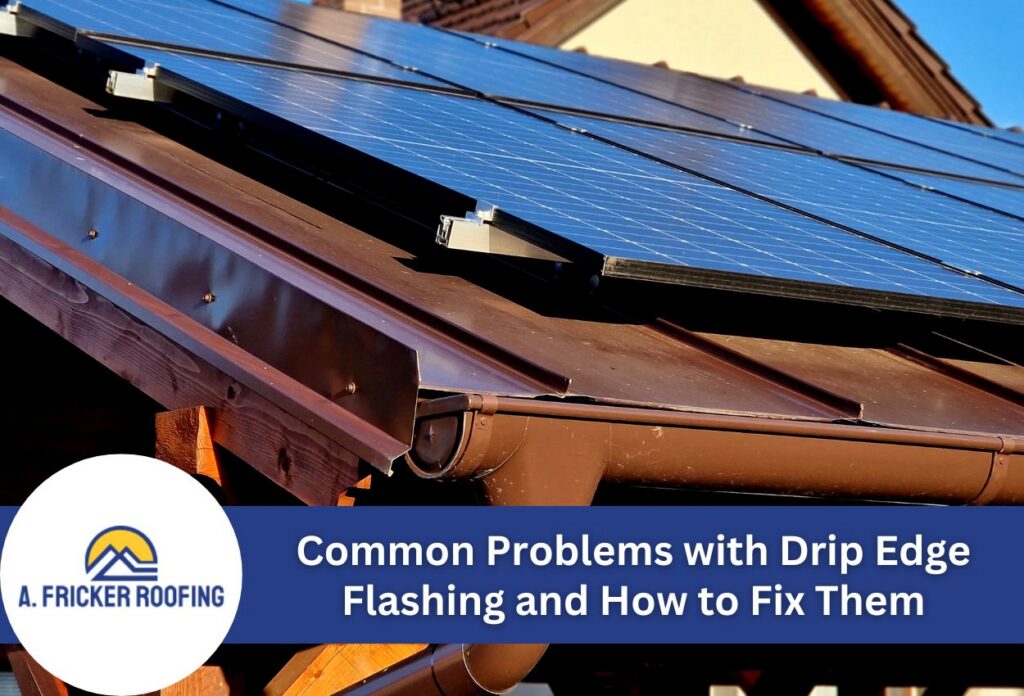
Drip edge flashing serves as an important component of any roofing system, directing water away from fascia boards and preventing moisture from seeping into vulnerable areas of a home. When drip edge flashing fails or gets installed incorrectly, the consequences can extend far beyond the roof itself. Water damage from a faulty drip edge often leads to rotted wood, compromised structural integrity, and even foundation issues that require expensive repairs.
Many homeowners remain unaware of drip edge problems until visible damage appears. Signs of drip edge flashing failure include water stains on exterior walls, peeling paint near the roofline, and deteriorating fascia boards. Drip edge installation mistakes, such as improper drip edge placement, inadequate sealing, or using incorrect materials, create vulnerabilities that get worse with every rainstorm. Understanding these common issues helps property owners recognize when roof drip edge repair becomes necessary. Identifying drip edge flashing problems early prevents minor concerns from escalating into major structural damage that affects the entire home.
Incorrect Installation Methods That Lead to Failure
Drip edge installation mistakes often stem from improper techniques that compromise the entire flashing system. One of the most common errors involves incorrect nailing patterns and wrong fastener placement. When installers space nails too far apart or position them incorrectly, gaps form between the drip edge and the roof deck. These openings create pathways for water to slip behind the flashing and leak to the roof deck, leading to rot and structural deterioration that requires extensive roof drip edge repair.
Another critical error occurs when contractors install a drip edge over shingles rather than underneath them. This improper drip edge placement fundamentally defeats the purpose of the flashing system. Water flowing down shingles travels underneath the improperly positioned drip edge instead of being directed away from the structure. This installation mistake ranks among the most serious signs of drip edge flashing failure because it allows moisture to reach fascia boards and roof sheathing directly. Water damage from a faulty drip edge installed in this manner accelerates wood decay and creates conditions favorable for mold growth throughout the roofing structure.
Placement Errors That Compromise Protection
The positioning of drip edge flashing directly determines how effectively it protects a roof structure from water intrusion. When installers place the drip edge too high on the roof edge, a gap forms between the flashing and the fascia boards. This spacing allows water to run down behind the drip edge and directly onto wooden components, causing rapid deterioration. Conversely, positioning the flashing too low prevents proper water discharge into gutters, resulting in overflow that damages siding and creates pooling near the foundation.
Extension length into gutter systems presents another common challenge with improper drip edge placement. Drip edge must extend sufficiently into gutters to ensure water flows directly into the collection system rather than missing the opening entirely. When the extension falls short, water cascades between the gutter and fascia boards, accelerating wood rot. Alignment issues at eaves and rakes add to these problems when the drip edge fails to integrate properly with roofing materials. These drip edge installation mistakes create entry points where wind-driven rain leaks beneath shingles, making water damage from a faulty drip edge inevitable without quick roof drip edge repair.
Recognizing the Warning Signs of Drip Edge Deterioration
Visible exterior damage provides the clearest indicators that drip edge flashing requires attention. Rust spots appearing on metal flashing signal that the protective coating has failed and corrosion has begun compromising the material’s structural integrity. Bent or warped sections of drip edge create gaps where water can slip behind the flashing system. Separated joints between drip edge sections open pathways for leaks, while visible gaps between the flashing and roof deck indicate improper drip edge placement or settling that has loosened the connection over time.
Interior warning signs often reveal water damage from a faulty drip edge before exterior deterioration becomes obvious. Water stains on fascia boards indicate moisture has bypassed the drip edge protection and saturated the wood beneath. Discoloration on soffits suggests water is traveling along the underside of roof overhangs due to signs of drip edge flashing failure. Peeling paint near the roofline occurs when trapped moisture pushes through exterior finishes. Basement dampness or foundation moisture sometimes traces back to drip edge problems that allow water to cascade down exterior walls rather than directing it away from the structure, making fast roof drip edge repair essential.
Water Damage Caused by Defective Drip Edge Systems
When drip edge flashing fails to perform its protective function, water leak begins attacking the wooden components that support the roofing structure. Moisture seeping past compromised flashing saturates fascia boards, which absorb water like a sponge during each rainfall. This constant exposure to dampness initiates wood rot that spreads rapidly through the fascia boards and extends into the roof decking. As the rot progresses, the structural members lose their load-bearing capacity, creating soft spots in the roof deck where shingles may eventually sag or collapse under weight.
The damage extends beyond visible wooden components into hidden attic spaces where conditions become ideal for mold development. Water damage from a faulty drip edge creates persistent moisture in poorly ventilated areas, allowing mold spores to colonize insulation, rafters, and sheathing. What begins as minor leaks transforms into serious structural concerns affecting multiple building systems. Prolonged water intrusion from signs of drip edge flashing failure can compromise roof trusses and wall framing. Without fast roof drip edge repair, water cascading down exterior walls saturates soil adjacent to the foundation, potentially causing settlement issues and basement seepage that extend damage far beyond the initial drip edge installation mistakes.
Material and Design Flaws That Reduce Effectiveness
The quality and thickness of materials used for drip edge flashing directly impact its long-term performance and durability. Thin-gauge metal represents one of the most problematic material choices because it bends easily during installation and lacks the rigidity necessary to maintain proper water channels. Lightweight aluminum or steel flashing deforms under minimal pressure from expansion and contraction cycles, creating waves and dips where water pools instead of flowing off the roof edge. This material weakness ranks among the most preventable drip edge installation mistakes that lead to premature failure.
Material compatibility with specific roofing types and local climate conditions determines whether drip edge flashing will withstand environmental stresses. Metal flashing that corrodes rapidly in coastal environments with salt exposure requires protective coatings or alternative materials suited to harsh conditions. Designs lacking adequate width fail to capture water flowing off the surface of the roof, allowing moisture to slip past the flashing entirely. Drip edge without proper hemming along exposed edges develops sharp points that tear underlayment and create weak spots vulnerable to wind damage. Insufficient bend angles in the flashing profile prevent the formation of effective water channels that direct runoff away from fascia boards, resulting in water damage from a faulty drip edge that needs to be repaired to restore the proper levels of protection.
Repair Solutions and Prevention Strategies
Assessing drip edge damage begins with a thorough inspection of the flashing system to determine whether repair or replacement provides the most effective solution. Minor issues such as loose fasteners, small gaps at joints, or limited corrosion in isolated sections often respond well to targeted repairs. Contractors can reseal joints with appropriate roofing cement, add fasteners to secure loose sections, and apply protective coatings to areas showing early signs of rust. However, extensive corrosion, multiple bent sections, or widespread separation from the roof deck typically indicates that complete replacement offers better long-term protection than attempting piecemeal fixes.
Preventive maintenance significantly extends the lifespan of drip edge flashing and reduces the likelihood of water damage from a faulty drip edge developing over time. Regular inspections scheduled twice a year allow property owners to identify signs of drip edge flashing failure before minor problems escalate into expensive repairs. Clearing debris accumulation from roof edges and gutters prevents blockages that force water behind the flashing system. Ensuring proper integration between the drip edge and gutter systems maintains continuous water flow away from the structure. Addressing drip edge installation mistakes through professional roof drip edge repair protects fascia boards, roof decking, and interior spaces from moisture intrusion that compromises structural integrity.
Expert Drip Edge Flashing Solutions by A. Fricker Roofing and Waterproofing
Are you noticing signs of wear or damage on your roof’s drip edge flashing? Don’t wait for small issues to become large, expensive repairs. At A. Fricker Roofing and Waterproofing, we specialize in identifying and resolving common problems with drip edge flashing, ensuring your home remains protected from water damage and structural deterioration. Whether you’re facing rust spots, improper installation, or water leakage, our team is equipped with the expertise and materials to effectively address and repair your roofing concerns.
Ignoring the early warning signs of drip edge failure can lead to significant damage to your home’s foundation and overall structure. Let us help you maintain the structural integrity of your roof with our professional repair and maintenance services. Don’t compromise on the safety of your home. Call us today at (918) 402-7167 or visit our website at https://africkerroofing.com/ to schedule an inspection and get the best solutions tailored to your needs.