
Commercial Roof Installation: Materials, Costs & Contractor Guide


Commercial roof installation in Tulsa typically costs between $5 and $18 per square foot, depending on the material chosen, and most projects are completed within 1 to 4 weeks. That range is wide because the right material for your building depends on several factors, and in Tulsa, climate plays a big role in that decision.
Summers regularly push past 90 degrees Fahrenheit here, and the region sees frequent hail and high winds throughout the year. Those conditions put real stress on commercial roofs and make material selection more than just a cost conversation. The wrong roof for Tulsa’s weather can mean early failures, water damage, and repair costs that far exceed the original savings.
This article helps Tulsa business owners work through the three decisions that matter most before breaking ground: choosing the right roofing material, setting a realistic budget, and finding a contractor worth hiring.
Which Roofing Materials Work Best for Commercial Buildings in Tulsa’s Climate?
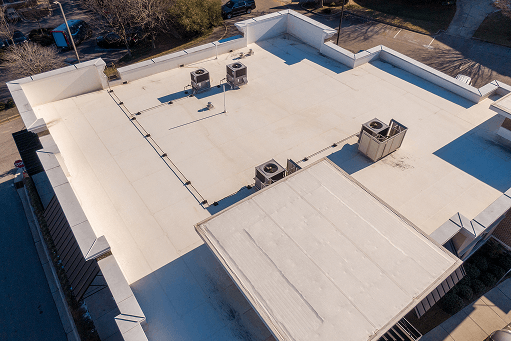
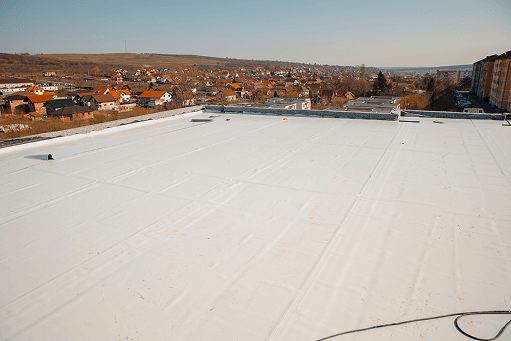
TPO is the most commonly chosen commercial roofing material in Tulsa because it reflects heat well and installs for $5 to $8 per square foot, the lower end of the $5 to $18 per square foot range for commercial roofing overall.
| Material | Avg. Cost (per sq ft installed) | Lifespan (years) | Heat Reflectivity | Hail/Wind Resistance |
|---|---|---|---|---|
| TPO | $5 to $8 | 15 to 25 | High | Good: rated for high wind and moderate hail |
| Modified Bitumen | $4 to $8 | 15 to 20 | Medium | Strong: resists foot traffic, hail, and wind |
| EPDM | $4 to $8 | 20 to 30 | Low (standard black) / High (white membrane) | Good: flexible under temperature changes |
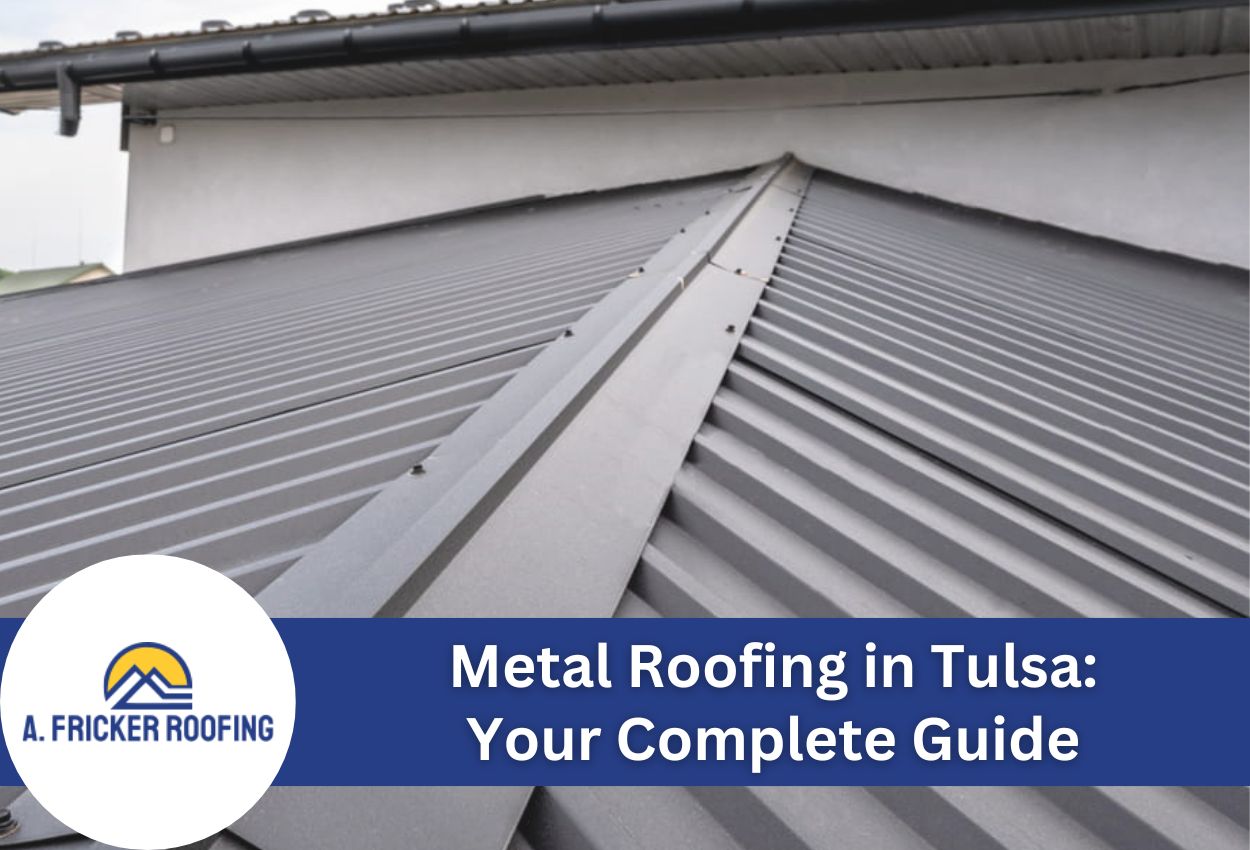
| Metal | $8 to $18 | 40 to 60 | Medium to High | Excellent: handles hail, wind, and heavy rain |
| Built-Up Roofing (BUR) | $5 to $10 | 15 to 30 | Low to Medium | Strong: multiple layers add durability |
Cool roofing systems, including TPO and reflective coatings, can reduce rooftop temperatures by up to 50 degrees compared to dark membrane systems, which makes a measurable difference when Tulsa summers regularly exceed 85 degrees Fahrenheit. Metal roofing is gaining ground fast among Tulsa commercial property owners who want a long-term solution, thanks to its 40 to 60-year lifespan that outlasts most other options by decades. If upfront cost is the priority, TPO delivers the best balance of heat reflectivity, weather resistance, and affordable installation costs for most Tulsa commercial buildings.
What Does Commercial Roof Installation Cost Per Square Foot in 2026?
Commercial roofing in Tulsa breaks down into material and labor costs separately, and knowing both helps you build a realistic budget before talking to a contractor.
| Material | Material Cost (per sq ft) | Labor Cost (per sq ft) | Total Installed Range (per sq ft) |
|---|---|---|---|
| TPO | $3.50 to $5.00 | $1.50 to $3.00 | $5 to $8 |
| Modified Bitumen | $4.00 to $6.00 | $2.00 to $3.50 | $4 to $8 |
| EPDM | $3.00 to $5.50 | $1.50 to $2.50 | $4 to $8 |
| Metal | $7.00 to $14.00 | $3.00 to $5.00 | $8 to $18 |
For a representative 10,000 sq ft commercial roof in Tulsa, total installed costs typically run from approximately $50,000 to $180,000, depending on the material selected. Three variables push that number higher faster than most owners expect: roof slope and access difficulty, tear-off of existing roofing layers, which adds $1.00 to $2.00 per square foot on its own, and permitting fees required by the City of Tulsa for commercial roofing projects. Tear-off costs alone can add $10,000 to $20,000 to a 10,000 sq ft project, so always ask your contractor whether your existing roof needs to be removed before work begins.
How Long Does Commercial Roof Installation Take From Start to Finish?
A standard 10,000 to 20,000 sq ft commercial flat roof installation in Tulsa typically takes 2 to 4 weeks total from contract signing to completion under normal weather conditions. That timeline covers 5 distinct phases, each with its own realistic window. Knowing what happens at each stage helps you plan around your business operations.
| Phase | What Happens | Typical Timeframe |
|---|---|---|
| 1. Contractor Assessment & Bids | Roof inspection, measurements, and bid collection from contractors | 1 to 2 weeks |
| 2. Permitting (City of Tulsa) | Commercial roofing permit application and approval | 3 to 10 business days |
| 3. Material Procurement | Materials ordered and delivered to the job site | 3 to 7 days |
| 4. Installation | Tear-off (if needed), deck prep, and new roof installation | 3 to 10 days, depending on roof size and material |
| 5. Final Inspection | City inspection and contractor walkthrough | 1 to 2 days |
Modified bitumen and built-up roofing systems require additional cure and layering time compared to single-ply systems like TPO. That difference can add 2 to 4 days to the installation phase alone. Tulsa’s spring storm season from April through June is the most common source of weather delays, so fall is generally the most scheduling-friendly time of year to plan a commercial roof project. If your timeline is firm, book your contractor well before spring work orders pile up.
How Do You Choose the Right Commercial Roof Installation Contractor Near You?
Look for at least 6 measurable criteria before signing any commercial roofing contract. Skipping even one can cost you warranty coverage, permit compliance, or both.
- Verify Oklahoma contractor licensing: Confirm the contractor holds a valid license through the Oklahoma Construction Industries Board (CIB). This is a public database and takes less than 5 minutes to check.
- Require a minimum of $1 million general liability coverage: Ask for a certificate of insurance before work begins. Anything below $1 million in general liability leaves your property exposed if damage occurs during installation.
- Confirm manufacturer-certified installer status: Certified installers unlock 15 to 30-year no-dollar-limit (NDL) warranties from manufacturers. Non-certified contractors typically offer only standard 5 to 10-year warranties, a meaningful gap for a roof expected to last 15 to 60 years, depending on the material.
- Require at least 5 years of commercial roofing experience: Commercial flat roofing systems have different installation requirements than residential roofing. 5 or more years of commercial-specific experience reduces the risk of improper installation.
- Ask for local references from Tulsa-area projects: Request references from completed projects in Tulsa, Osage County, Creek County, or Rogers County. Local references allow you to verify finished work in conditions similar to yours.
- Demand a written, itemized bid: Any contractor unwilling to break down material costs, labor costs, tear-off costs, and permitting fees separately is worth passing on.
Collect at least 3 competitive bids before making a decision. If the lowest bid comes in 20 to 30% below the median, treat that gap as a signal to scrutinize the material specs and warranty terms line by line, not as an automatic win. Also, confirm that your contractor will pull the required City of Tulsa commercial roofing permit on your behalf. That permit is required by law, and the responsibility should never fall on the building owner.
Does a New Commercial Roof Installation Deliver Measurable ROI for Tulsa Property Owners?
Yes. A new commercial roof can increase a property’s appraised value by 5% to 10% while cutting annual cooling costs by 10% to 30%, depending on the material selected. That combination makes replacement less of an expense and more of a financial decision with a trackable return.
TPO and other cool roofing systems are where the energy savings show up most clearly. A mid-size commercial building spending $24,000 per year on cooling could save $2,400 to $7,200 annually after switching to a reflective roofing system. At that rate, the added cost of a reflective TPO membrane pays for itself within 3 to 6 years, and the roof itself is rated to last 15 to 30 years. The savings continue long after the payback period closes.
Delaying replacement has its own costs that most property owners underestimate. A commercial roof with chronic leaks typically requires 3 to 5 emergency repairs per year at $500 to $3,000 each before full replacement becomes unavoidable. That means a building owner could spend $1,500 to $15,000 or more per year in reactive repair costs, money that disappears with no lasting benefit to the roof’s condition or the property’s value. When leaks become frequent, commercial roof repair services can address damage before it escalates to full replacement.
A new commercial roof also may qualify for energy-efficiency tax incentives under Section 179D federal deductions for commercial buildings, which can offset a portion of the upfront installation cost. Talk to a tax professional to confirm eligibility based on your building type and the system installed. When energy savings, property value gains, and avoided repair costs are combined, the return on a new commercial roof is measurable and real.
Ready to Get Quotes for Your Tulsa Commercial Roof Installation?
Choosing the right material could cut your annual cooling costs by 10% to 30%, and getting that decision right starts with a no-obligation, on-site assessment from a licensed Tulsa commercial roofing contractor. A. Fricker Roofing and Waterproofing works with commercial property owners across Tulsa to deliver itemized quotes with no pressure and no guesswork. Schedule a commercial roof inspection to get an accurate picture of your roof’s current condition before committing to a full installation.
Contractor schedules in Tulsa fill 4 to 8 weeks out during peak season, so reaching out early protects your project timeline. Don’t let a busy spring or fall season push your start date back by months.
Not ready to schedule? Learn more about commercial roof installation.