
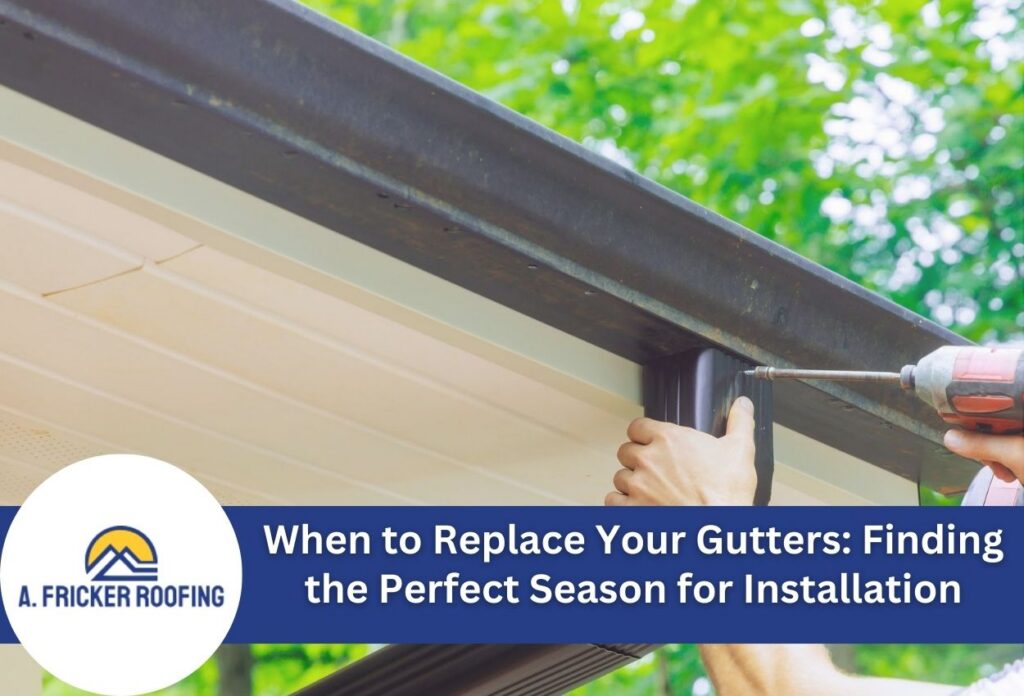
The Best Season for Gutter Replacement: A Timing Guide for Homeowners
Key Points:
- The best season for gutter replacements is typically late spring through early fall, offering stable, moderate weather for the best installation.
- Spring and fall provide ideal temperatures for quality work, while summer offers dry conditions despite heat challenges; winter is suitable only for emergencies.
- For Tulsa’s climate, fall is often the most stable period for installation, requiring early scheduling and backup planning due to unpredictable weather.
The best season for gutter replacements typically falls during late spring through early fall, when weather conditions for gutter replacement remain stable and predictable. Homeowners planning when to upgrade gutters should prioritize dry periods with moderate temperatures that allow contractors to work efficiently and ensure proper installation quality.
Gutter replacement timing significantly impacts both the installation process and long-term performance of the system. Weather patterns directly affect how well sealants cure, how materials expand and contract during installation, and whether work can proceed without weather-related delays. Fall gutter installation offers particular advantages as it prepares homes for winter weather while taking advantage of typically dry conditions.
Spring gutter upgrades also present excellent opportunities, allowing homeowners to address winter damage before the heavy rains of late spring and summer arrive. The key factors influencing replacement timing include precipitation patterns, temperature stability, contractor availability, and the specific needs of each property. Understanding these seasonal considerations helps homeowners make informed decisions that maximize their investment in new gutter systems.
Spring Gutter Replacement: Taking Advantage of Mild Weather Windows
Spring gutter upgrades offer several compelling advantages for homeowners considering when to upgrade gutters. The moderate temperatures typical of spring create the best possible conditions for gutter replacement timing, allowing materials to settle properly without the extreme heat that can complicate summer installations. Reduced precipitation during many spring periods provides contractors with consistent work windows, ensuring thorough installation without weather interruptions that could compromise quality.
The mild weather conditions for gutter replacement during spring also allow for precise positioning and secure mounting of new systems. Contractors can take adequate time to ensure proper slope and alignment before summer storms test the installation. However, spring timing presents certain challenges that homeowners should anticipate. The need for contractors typically increases following winter damage assessments, as many property owners discover gutter issues that require immediate attention.
Scheduling early becomes important for securing preferred installation dates during this busy period. The combination of favorable weather and high demand means that homeowners who delay their spring gutter installation may face longer wait times or limited contractor availability as the season progresses toward summer.
Summer Installation Considerations: Heat or Accessibility
Summer presents unique advantages for gutter replacement timing that make it an attractive option despite temperature challenges. Extended daylight hours provide installation crews with significantly more working time, allowing projects to progress efficiently without the time constraints imposed by shorter winter days. The typically dry conditions during summer create ideal weather conditions for gutter replacement, as contractors can work uninterrupted by precipitation that might delay or compromise installation quality.
However, hot weather installation brings substantial drawbacks that affect both materials and the workforce. High temperatures cause gutter materials to expand, requiring experienced contractors to account for thermal movement during installation to prevent future problems. Worker safety becomes a primary concern as extreme heat increases fatigue and heat-related health risks, potentially slowing work progress or requiring modified schedules during peak temperature hours.
The urgency of completing summer projects before severe weather season intensifies pressure on both contractors and homeowners. When considering the best season for gutter replacements, summer installations require careful planning to balance the benefits of dry conditions and extended work hours against the challenges posed by extreme temperatures and the approaching storm season that requires completed installations.
Fall Gutter Replacement: Preparing for Winter Weather Challenges
Fall gutter installation provides strategic timing advantages that position homes for success during the winter. Installing new gutters during autumn allows homeowners to test their systems with moderate rainfall before harsh winter conditions arrive. This testing period reveals potential issues while the weather remains favorable for adjustments, ensuring the best performance when heavy snow and ice create maximum stress on gutter systems.
The best season for gutter replacements often includes fall because autumn weather typically offers stable conditions without summer’s extreme heat. Contractors can work efficiently during comfortable temperatures while materials settle properly before winter expansion and contraction cycles begin. Fall timing also allows adequate preparation for winter precipitation patterns that need fully functional drainage systems.
Weather conditions for gutter replacement during the fall present certain limitations that require careful consideration. Shortened daylight hours reduce available work time, while unpredictable early winter weather can interrupt projects unexpectedly. Gutter replacement timing becomes important as homeowners balance the benefits of pre-winter installation against the risk of weather delays that could extend projects into less favorable conditions. Planning fall installations early in the season helps mitigate these timing challenges while securing the protective benefits of new gutters before winter arrives.
Winter Gutter Installation: Emergency Replacements and Limited Windows
Winter gutter installation typically occurs only when emergencies require immediate replacement, overriding the challenges that make cold weather the least favorable option for the best season for gutter replacements. Severe storm damage, sudden structural failures, or complete system breakdowns create circumstances where homeowners cannot wait for ideal weather conditions for gutter replacement. These urgent situations require immediate attention to prevent water damage to foundations, landscaping, and building structures.
Emergency replacements during winter present significant installation challenges that affect both project timeline and complexity. Frozen ground conditions complicate equipment placement and ladder stability, while shortened daylight hours severely limit productive work time for crews. Material handling becomes problematic as cold temperatures make components brittle and difficult to manipulate, requiring special techniques and extended installation periods.
When winter gutter replacement timing becomes unavoidable, contractors must work within narrow weather windows between storms and extreme temperature periods. These limited opportunities often result in extended project schedules and increased complexity compared to installations during more favorable seasons. Despite these challenges, emergency winter installations remain essential for protecting property value and preventing expensive water damage that delayed repairs could allow.
Weather Conditions That Make or Break Installation Success
Successful gutter installation depends heavily on specific weather requirements that affect both the installation process and long-term system performance. Temperature ranges between 50 and 75 degrees Fahrenheit provide the best conditions for sealant curing and material handling, while precipitation levels should remain minimal during the 24 to 48 hours surrounding installation. Wind speeds exceeding 15 miles per hour can create safety hazards and prevent proper mounting accuracy, making calm conditions essential for quality workmanship.
Different weather conditions significantly impact material performance during installation and affect the durability of gutter systems over time. High humidity levels can slow sealant curing processes, while extreme temperatures cause thermal expansion that affects proper fitting and alignment. When planning gutter replacement timing, these environmental factors determine whether installations will achieve their intended lifespan and performance standards.
Understanding how the weather affects fall gutter installation and spring gutter upgrades helps homeowners select appropriate installation windows. Contractors experienced with weather conditions for gutter replacement can adapt techniques to accommodate varying conditions, but the best weather parameters are important for achieving professional results that protect homes effectively throughout changing seasons.
Planning Your Gutter Replacement Timeline for Tulsa Climate
Tulsa’s unique climate patterns require careful consideration when determining gutter replacement timing. The region experiences distinct seasonal weather changes, including severe thunderstorms from April through June, intense summer heat, and occasional ice storms during the winter. These local conditions significantly influence the best season for gutter replacements, as contractors must work around both predictable seasonal patterns and sudden weather that characterize Oklahoma’s climate.
Understanding Tulsa’s storm seasons helps homeowners plan when to upgrade gutters most effectively. Spring brings heavy rainfall and potential tornado activity that can stress existing gutter systems, while summer heat creates challenging installation conditions. Fall offers the most stable weather conditions for gutter replacement, with moderate temperatures and reduced precipitation before winter weather arrives.
Successful project planning requires scheduling contractor consultations well in advance, particularly during peak seasons when the need for contractors increases following storm damage. Material ordering should account for potential weather delays common in Tulsa’s unpredictable climate. Establishing backup installation dates provides flexibility when sudden weather changes interrupt original schedules, ensuring spring gutter upgrades or fall gutter installation can proceed efficiently despite typical Oklahoma weather patterns that affect construction timelines throughout the year.
Secure Your Home with Season-Smart Gutter Replacements from A. Fricker Roofing and Waterproofing
If you’re considering the best season for gutter replacements in Tulsa, timing is important for ensuring the longevity and effectiveness of your new gutter system. Understanding Tulsa’s unique climate patterns is key to picking the right window for installation. Don’t let another season pass by with inadequate gutters that fail to protect your home from water damage. Act now, and take advantage of A. Fricker Roofing and Waterproofing’s expert services. Our skilled team is ready to provide top-notch gutter solutions tailored to the Tulsa climate.
Ready to schedule your gutter replacement? Don’t wait for the weather to decide for you. Call A. Fricker Roofing and Waterproofing today at (918) 402-7167 to secure your appointment and ensure your home is protected no matter the season.