
Why Ballasted Roofing Systems Are Taking Over Commercial Buildings
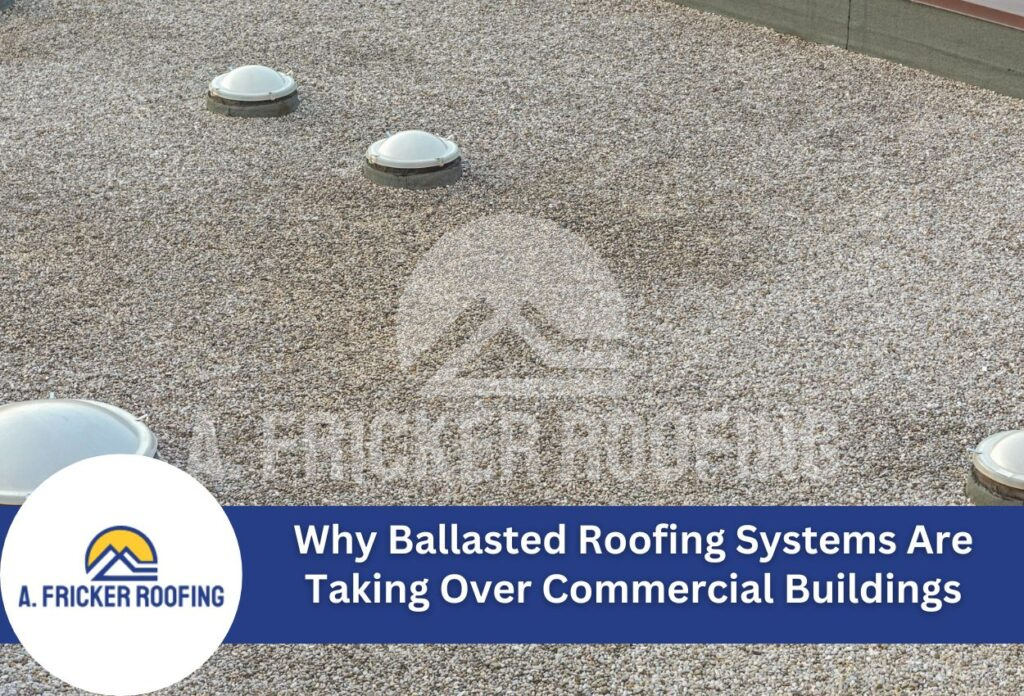
Commercial property owners are rapidly discovering the impressive advantages of ballasted roofing systems, making them one of the fastest-growing roofing solutions in today’s construction market. These innovative systems use gravel, stone, or concrete pavers to weigh down single-ply roofing membranes, creating a dramatically different approach compared to traditional mechanically attached or fully adhered roofing methods.
The benefits of a ballasted roofing system include more than convenient installation. These systems offer exceptional protection for EPDM and other single-ply roofing systems by shielding the membrane from harmful UV rays, extreme weather conditions, and thermal shock. The ballast material acts as a protective barrier that helps maintain consistent temperatures across the roof surface.
The benefits of a ballasted flat roof also include its long-term performance and few maintenance requirements. Property owners often appreciate how the ballast weight keeps the membrane securely in place without requiring extensive mechanical fastening or adhesives throughout the entire roof surface. This design approach often results in improved energy efficiency, as the ballast layer provides additional thermal mass that helps regulate building temperatures.
The advantages of ballasted roofs include simplified repairs, reduced installation time, and enhanced durability that appeals to building owners seeking reliable, low-maintenance roofing solutions for their commercial properties.
#1. Superior Weather Protection and Durability
The protective qualities of ballasted roofing systems set them apart from conventional roofing approaches through their multi-layered defense strategy. The ballast layer creates an effective shield that protects the underlying roof membrane from destructive UV radiation, which typically causes degradation over time. This stone or gravel barrier absorbs and deflects harmful solar rays before they can reach the vulnerable rubber membrane below.
Extreme weather can pose significant challenges for commercial roofing systems, but ballasted roof membrane advantages become apparent during hailstorms and severe temperature fluctuations. The ballast material absorbs impact energy from hailstones, preventing direct damage to the membrane surface.
Temperature stability is another key benefit, as the ballast mass moderates thermal expansion and contraction cycles that stress traditional roofing materials. Commercial roof energy efficiency improves through the ballast layer’s thermal mass, which helps maintain consistent roof temperatures and reduce energy transfer between interior and exterior environments throughout changing seasonal conditions.
Single-ply roofing systems without ballast protection typically need to be replaced every 20 years due to UV damage and weather exposure. The benefits of a ballasted flat roof include significantly extended membrane lifespans, often reaching 25 to 30 years with proper maintenance. This enhanced durability reduces replacement frequency and provides superior long-term value for commercial properties.
#2. Energy Savings That Impact Your Bottom Line
The thermal mass properties of ballasted roofing systems create many advantages that directly benefit commercial properties. Stone and gravel ballast materials absorb heat during daylight hours, then slowly release stored thermal energy after sunset, creating a natural temperature regulation system. This thermal mass effect helps stabilize roof surface temperatures throughout daily heating and cooling cycles.
Ballasted roof systems reduce the need for air conditioning during summer by preventing rapid heat transfer through the roof assembly. The ballast layer maintains cooler membrane temperatures compared to exposed single-ply roofing systems, which reduces the thermal load on HVAC equipment. Building owners typically experience measurable reductions in cooling costs because of this enhanced thermal performance.
Commercial roof energy efficiency ratings improve substantially with ballasted systems because the ballast creates an additional insulating barrier above the primary roofing membrane. The benefits of a ballasted flat roof include lower annual utility expenses and improved building energy performance.
The temperature-moderating qualities of ballasted roofing systems extend beyond summer cooling savings. During winter months, the thermal mass helps retain building heat and reduces energy loss through the roof assembly. This year-round energy efficiency translates into consistent utility savings that compound over the system’s extended service life, creating substantial long-term value for commercial property owners.
#3. Installation and Maintenance Made Simple
The installation process for ballasted roofing systems offers significant time and labor advantages compared to traditional commercial roofing methods. Unlike mechanically fastened or fully adhered systems, ballasted roofing systems have streamlined installation that eliminates the need for extensive adhesives or fasteners across the entire roof surface. Contractors can install the membrane quickly, then position the ballast material to secure the system in place.
This simplified installation approach reduces project timelines and minimizes disruption to building operations during roof replacement or new construction projects. The ballasted roof installation process involves laying the membrane, securing it only at the perimeter and around rooftop equipment, then distributing the ballast material evenly across the surface. This method is even more efficient on large commercial buildings where traditional fastening methods would require thousands of individual attachment points.
Maintenance accessibility is one of the most valuable advantages for property owners and maintenance teams. When repairs become necessary, crews can easily remove ballast material from specific areas to access the membrane without disturbing the entire roofing system. This keeps maintenance costs reasonable and minimizes downtime compared to systems that need to be disassembled.
The benefits of a ballasted flat roof extend to routine maintenance tasks such as membrane inspections and minor repairs. Single-ply roofing systems beneath ballast remain easily accessible, allowing maintenance crews to fix issues quickly before they develop into major problems requiring extensive upgrades or complete system replacement.
#4. Wind Resistance Without Putting Holes in Your Roof
Ballasted roofing systems provide exceptional wind uplift resistance through their unique weight-based attachment method, eliminating the need for extensive fasteners that compromise structural integrity. The distributed weight of stone or gravel ballast creates consistent downward pressure across the entire membrane surface, effectively countering wind uplift forces that challenge traditional roofing systems. This approach is especially effective during severe weather events when wind speeds create significant uplift pressures on commercial buildings.
The ballasted roofing system benefits include superior wind performance compared to mechanically-attached alternatives that rely on fasteners spaced several feet apart. Instead of concentrated stress points at fastener locations, the ballast weight provides uniform resistance across the entire roof area. Ballasted roof installations typically exceed wind uplift ratings of mechanically-fastened systems because the ballast mass remains constant regardless of fastener degradation or thermal cycling effects.
Single-ply roofing systems without ballast require hundreds, if not thousands, of fasteners through the roof deck to achieve adequate wind resistance. Each point represents a potential failure location where water infiltration can occur over time. The benefits of a ballasted flat roof include the complete elimination of these vulnerability points, as the membrane remains secured through ballast weight rather than mechanical fasteners.
This fastener-free design approach significantly reduces the risk of leaks while maintaining superior wind performance. Commercial roof energy efficiency also improves when thermal bridging through fasteners is eliminated, creating a more efficient building.
#5. Long-Term Value for Flat Roofs
The financial advantages of ballasted roofing systems become most apparent when analyzing lifecycle expenses over time. Property owners consistently discover that initial installation savings represent only a portion of the total economic benefits these systems deliver. Ballasted roofing system benefits include dramatically reduced maintenance requirements compared to mechanically attached or fully adhered alternatives, translating into substantial operational savings throughout the membrane’s service life.
Extended membrane longevity is the primary driver of long-term value in ballasted roof installations. The protective ballast layer shields the membrane from environmental stressors that typically cause premature aging in exposed single-ply roofing systems. This protection often extends membrane life beyond conventional installations, reducing the need for replacement and associated labor expenses. The benefits of a ballasted flat roof compound over the decades, as property owners avoid multiple replacement cycles.
Large commercial applications particularly benefit from ballasted systems due to their scale. The simplified installation process and reduced fastener requirements create significant labor savings on extensive roof areas. The advantages of ballasted roofs also include predictable energy performance that enables accurate long-term budgeting for facility maintenance.
Material Options: Why EPDM Ballasted Systems Lead the Single-Ply Market
EPDM rubber membranes are highly compatible with ballasted applications and are often the preferred choice for commercial property owners seeking a reliable roofing system. The inherent flexibility and durability of EPDM materials complement the protective ballast layer, creating a synergistic system that outperforms other single-ply options in demanding commercial environments.
The molecular structure of EPDM rubber provides superior resistance to ozone, UV radiation, and temperature extremes, making it ideally suited for ballasted applications. When combined with stone or gravel ballast, EPDM systems achieve remarkable longevity that surpasses competing membrane materials. The ballast weight distribution works harmoniously with EPDM’s flexible properties, allowing natural thermal movement without membrane stress or failure.
These advantages become particularly evident when comparing EPDM performance against TPO, PVC, and modified bitumen alternatives, as this rubber membrane maintains its physical properties longer under ballast protection. Plus, the chemical stability of EPDM prevents deterioration from contact with limestone, gravel, or concrete pavers commonly used in ballasted systems.
Energy efficiency ratings consistently favor EPDM ballasted configurations over alternative single-ply roofing systems. The black EPDM surface effectively absorbs solar energy, working with the ballast thermal mass to create optimal temperature regulation that reduces building energy consumption throughout varying seasonal conditions. Overall, for property owners looking to install a ballast roofing system, EPDM is a good choice for lasting protection.
Discover the Advantages of Ballasted Roofing Systems with A. Fricker Roofing and Waterproofing
Are you considering a new roof for your commercial property? Look no further than ballasted roofing systems, a choice that offers unparalleled durability and cost-effectiveness. At A. Fricker Roofing and Waterproofing, we specialize in installing high-quality ballasted systems that provide superior weather protection, energy savings, and simple maintenance solutions. Our ballasted roofs are designed to resist severe weather conditions and help reduce your building’s cooling costs. With the added advantage of easy installation and minimal disruption, this roofing solution stands out as an optimal choice for your commercial needs.
Don’t wait to enhance the efficiency and longevity of your building’s roof. Call us today at (918) 402-7167 to learn more about how our ballasted roofing systems can benefit your property!