
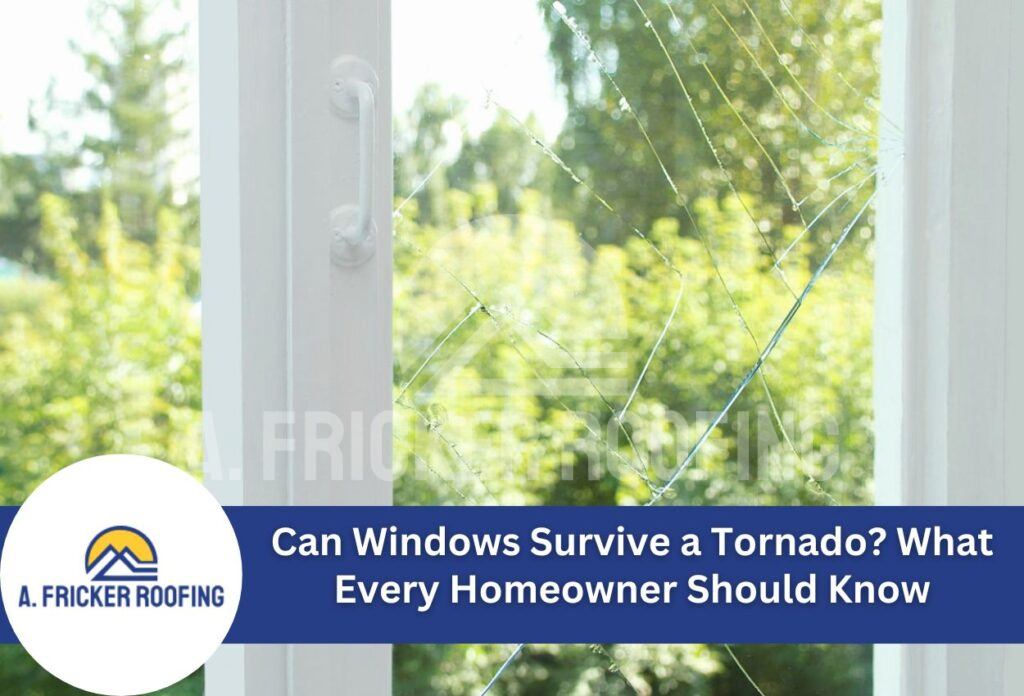

When tornado sirens wail across Oklahoma, homeowners face a terrifying reality. The last thing they should be worried about is their windows. This part of their home is often the weakest link in their home’s defense against nature’s most violent storms.
Tornado winds can reach speeds up to 200 mph, turning everyday objects into deadly projectiles. Standard residential windows simply cannot withstand these forces, and when they fail, the consequences go beyond broken glass. Window failures create dangerous pressure imbalances inside homes, which can also lead to roof uplift, structural collapse, and serious injury to occupants.
While actual tornado-proof windows have not been made affordable, significant advances in reinforced glass for severe weather and pressure-rated windows for wind resistance offer hope for better protection. Hurricane impact windows for tornado protection, combined with tornado-resistant window film and laminated glass for tornado safety, provide multiple layers of defense against severe weather conditions.
Understanding these protective options and their limitations can mean the difference between minor property damage and catastrophic loss when the next tornado strikes.
Understanding Tornado Forces and Window Vulnerabilities
Tornado winds create two distinct threats that standard residential windows cannot handle. Direct wind pressure from storms generates forces that can reach 100 pounds per square foot on window surfaces, while airborne debris transforms ordinary objects into high-velocity missiles capable of shattering even the thickest glass. Traditional windows represent the most vulnerable point in any structure during severe weather.
The failure of windows during tornadoes triggers a dangerous chain reaction inside homes. When glass breaks, tornado winds rush into the interior spaces, creating tremendous internal pressure that pushes against walls, ceilings, and roofing systems from the inside. This internal pressure buildup can cause roofs to lift off entirely and walls to collapse outward, even when the primary structure might otherwise survive the external wind forces.
Hurricane impact windows, which can be used for tornado protection, address these vulnerabilities through reinforced glass for severe weather applications. Laminated glass for tornado safety consists of multiple glass layers bonded with strong interlayers that hold fragments together even when cracked. Pressure-rated windows for wind resistance undergo rigorous testing to ensure they maintain structural integrity under extreme conditions. Tornado-resistant window film provides an additional protective barrier that helps prevent glass from becoming dangerous projectiles during storms.
Hurricane Impact Windows as Tornado Defense
Hurricane impact windows represent the most robust defense available against tornado forces, utilizing advanced engineering principles that address both wind pressure and debris impact scenarios. These specialized windows feature laminated glass construction with multiple layers bonded by strong polymer interlayers, creating a barrier that maintains integrity even when cracked. The reinforced frames, typically constructed from heavy-duty aluminum or vinyl, distribute wind loads across the entire window rather than concentrating stress at vulnerable connection points.
The laminated glass for tornado safety works by absorbing impact energy from flying debris and preventing the window system from shattering. When struck by projectiles traveling at high speeds, the outer glass layer may crack, but the polymer interlayer holds all fragments in place, maintaining the protective barrier.
Testing standards for pressure-rated windows for wind resistance follow strict protocols established by organizations like the American Society for Testing and Materials. These tests subject hurricane impact windows for tornado protection to sustained wind pressures exceeding 150 miles per hour, combined with repeated impacts from standardized projectiles. Windows must demonstrate their ability to resist both large missile impacts, such as lumber traveling at 50 feet per second, and small missile impacts from gravel-sized debris at higher velocities,helping protect against severe storm damage.
Reinforced Glass That Protects Your Home From Severe Weather
Laminated glass is at the forefront of modern tornado-resistant window systems through its multi-layer design that maintains structural integrity even under extreme conditions. This technology bonds two or more glass sheets together using specialized polymer interlayers, typically polyvinyl butyral or ethylene-vinyl acetate, creating a composite material that behaves differently from standard glass when subjected to impact forces. When tornado debris strikes laminated glass for tornado safety, the outer layer may crack or shatter, but the protective interlayer holds all fragments in place, preventing dangerous glass shards from becoming projectiles inside the home.
The interlayer system also maintains the window’s barrier function against wind and water, even after sustaining damage. This characteristic proves essential during a prolonged tornado, where maintaining interior pressure balance becomes critical for structural survival. Tornado-resistant window film can be applied to existing windows as a retrofit option, though it provides less protection than purpose-built laminated systems.
Glass thickness significantly impacts protection levels, with options ranging from standard 3/16-inch configurations to heavy-duty 7/16-inch assemblies. Thicker reinforced glass for severe weather applications resists greater impact forces and wind pressures, while pressure-rated windows for wind resistance incorporate frame reinforcement to handle the increased weight. Hurricane impact windows for tornado protection typically use a minimum 9/16-inch laminated glass thickness to meet certification standards, providing substantially better debris resistance than retrofit applications alone can achieve. Homeowners seeking comprehensive protection can also explore home exterior services in Bartlesville to strengthen other vulnerable areas of their property.
Window Film Solutions for Added Tornado Resistance
Tornado-resistant window film provides an affordable upgrade path for homeowners seeking improved protection without complete window replacement. These specialized films bond directly to existing glass surfaces using strong adhesive systems, creating a protective barrier that helps hold glass fragments together during impact events. The film works by distributing impacts across the entire window surface while preventing dangerous shards from separating when the glass cracks under pressure.
Professional installation involves thorough surface preparation and precise application techniques to ensure proper adhesion and performance. Installers clean the glass meticulously, apply the film using specialized tools to eliminate air bubbles, and allow proper curing time for the adhesive bond to reach full strength. The process typically requires several days for complete adhesion, during which windows should not be cleaned or disturbed.
Realistic expectations for window film performance are important for homeowner safety planning. While tornado-resistant window film significantly improves glass retention and reduces injury risk from flying shards, it cannot transform standard windows into hurricane impact windows for tornado protection. The film helps resist smaller debris impacts and minor pressure differentials but cannot withstand the massive forces generated by large tornado-borne missiles or extreme wind pressures.
Pressure-Rated Windows and Wind Resistance Standards
Window manufacturers subject their products to rigorous testing protocols to determine their ability to withstand tornado-like conditions. The testing process involves mounting windows in specialized chambers where technicians apply sustained wind pressures, measured in pounds per square foot. They then launch standardized projectiles at specific velocities to get as close to real-world conditions as possible. These pressure-rated windows for wind resistance must demonstrate their structural integrity under loads that simulate the extreme forces encountered during severe weather.
The American Society for Testing and Materials establishes specific benchmarks that help homeowners identify superior protection levels. Windows rated for Design Pressure (DP) 30 can withstand sustained winds of approximately 110 miles per hour, while DP-50 ratings indicate survival capabilities up to 140 to 173 miles per hour winds. Hurricane impact windows, which can be used for tornado protection, typically carry DP ratings of 50 or higher, combined with large missile impact certification that proves their ability to resist lumber projectiles traveling at 50 feet per second.
Understanding window labels and certifications empowers homeowners to make informed decisions about tornado protection investments. Look for certifications from recognized testing laboratories, specific DP ratings, and impact resistance classifications when evaluating reinforced glass for severe weather applications. Windows meeting Miami-Dade County approval standards (due to their exceptionally high hurricane winds) have undergone some of the most stringent testing available, making them excellent choices for laminated glass for tornado safety applications. These certifications provide measurable benchmarks for comparing different tornado-resistant window films and complete window system options.
Making the Right Choice for Your Tulsa Area Home
Oklahoma homeowners must navigate specific building codes and practical considerations when selecting tornado-resistant window upgrades. Local building departments may require permits for window replacement projects, and installation must comply with International Residential Code standards for wind resistance in high-risk areas. Insurance companies often provide premium discounts for homes equipped with certified hurricane impact windows for tornado protection, potentially offsetting upgrade costs over time through reduced premiums and deductible benefits.
Prioritizing window upgrades requires strategic planning to maximize protection within budget constraints. Focus first on south and west-facing windows, which typically face the direction of approaching tornado systems in Oklahoma. Large windows and sliding doors present the greatest vulnerability due to their size and structural complexity. Consider tornado-resistant window film for secondary windows while investing in complete laminated glass for tornado safety replacements for primary vulnerable openings.
Setting realistic expectations about window performance during actual tornado conditions remains essential for family safety planning. Even the highest-rated pressure-rated windows for wind resistance cannot guarantee survival against direct tornado strikes exceeding EF-3 intensity. These reinforced systems significantly improve home protection and reduce injury risk from flying debris, but they work best as part of storm preparedness that includes designated safe rooms and emergency evacuation plans. Professional roofing contractors can assess how window upgrades integrate with overall structural improvements to create layered defense systems against Oklahoma’s severe weather threats.
Protect Your Home with Tornado-Resistant Windows from A. Fricker Roofing and Waterproofing
As an Oklahoma homeowner, ensuring the safety and integrity of your home during tornado season is important. Traditional windows may not withstand the extreme forces of a tornado, putting your home and family at risk. At A. Fricker Roofing and Waterproofing, we specialize in installing tornado-resistant windows that can safeguard your residence from destructive winds and debris. Our hurricane impact windows and laminated glass solutions are designed to meet the highest standards of wind resistance and debris impact, aligning with local building codes and insurance requirements.
Don’t wait for the next storm to test the limits of your current windows. Upgrade to our advanced window solutions and secure your home against tornadoes. Call us today at (918) 402-7167 to learn more about our services and how we can help you make the right choice for your Tulsa area home.