

Leading Roofing Contractor in Oklahoma
Storm Damage Roof Repair in Collinsville, OK
4.9 Stars - Based on 1106 User Reviews
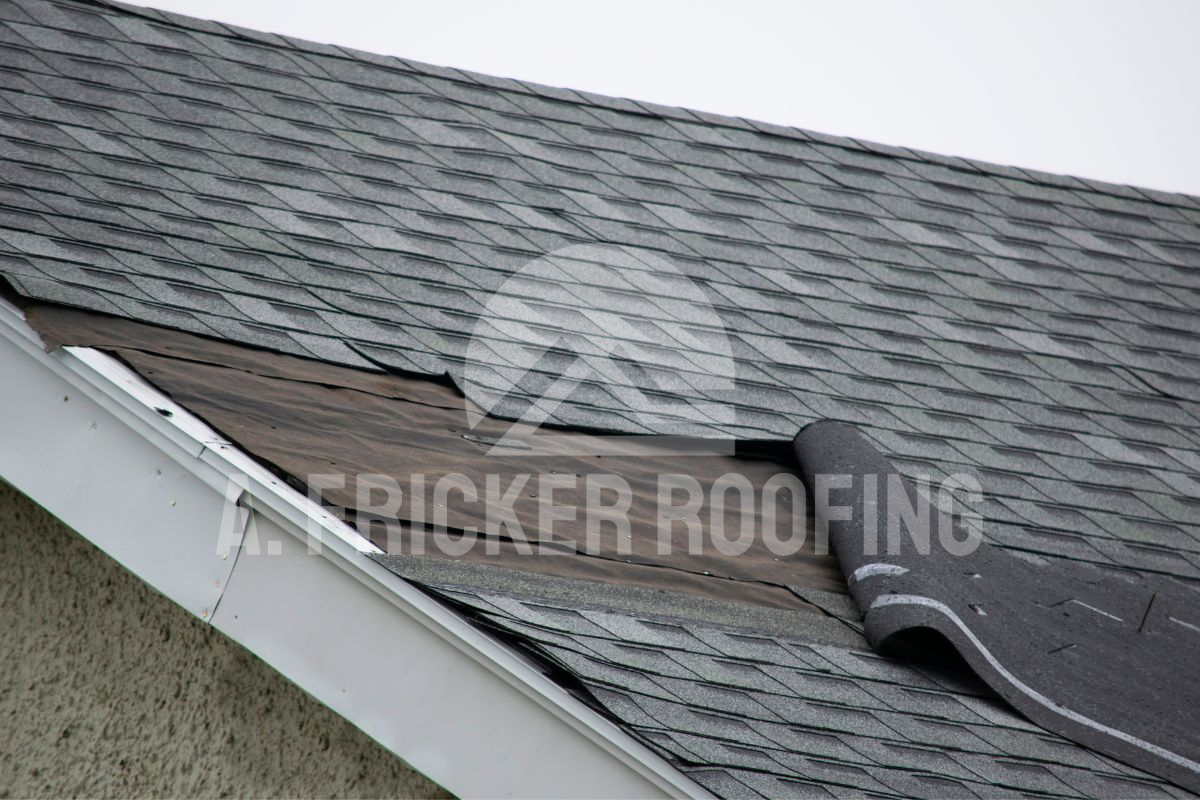
Collinsville sits in a part of northeastern Oklahoma where spring and summer storms roll through fast and hit hard. Hail punches through shingles, high winds peel them back or rip them off entirely, and heavy rain follows before you even have a chance to check the damage. That combination is tough on roofs, and it happens here regularly. When shingles go missing or take a direct hit from hail, the roof underneath is exposed. Water finds its way in quickly, and what starts as a small leak can work its way into your roof decking, insulation, and ceilings before you realize there is a problem.
That is exactly why getting a professional out to inspect your roof after a storm matters so much. A. Fricker Roofing and Waterproofing works with homeowners in Collinsville who need reliable storm damage roof repair done the right way. Whether the damage is obvious, like missing shingles or an active leak, or more subtle, like hail impacts that have compromised the surface without fully breaking through, the goal is to find it all and fix it before it gets worse.
Hail and wind create different kinds of damage, and both need to be addressed with the right approach. Hail leaves behind impacts that weaken the shingle surface and reduce how long your roof will hold up. Wind damage tends to lift edges, break seals, and leave sections of your roof vulnerable to whatever storm comes next.
How Storm Damage Roof Repair Works in Collinsville, OK
Storm damage can create a lot of uncertainty, but understanding how the repair process works helps make the situation easier to manage. Here is how A. Fricker Roofing and Waterproofing handles storm damage roof repairs from the initial assessment through the final review.
- Step 1: Storm Damage Assessment
The process starts with a detailed inspection of the entire roofing system. Shingles, flashing, ridge lines, roof gaps, and other vulnerable areas are evaluated for signs of wind and hail damage. We look for lifted materials, broken seals, impact marks, exposed areas, and other conditions that could allow water intrusion. Special attention is given to damage that may not be visible from ground level. - Step 2: Repair Evaluation and Recommendations
After the inspection is complete, we review the findings with you and explain the condition of the roof in straightforward terms. We identify areas that require immediate attention, discuss the extent of the damage, and outline the available repair options. If the issues can be resolved with targeted repairs, we focus on those solutions rather than recommending unnecessary work. - Step 3: Project Proposal and Cost Review
Once the repair needs have been determined, we prepare a detailed written proposal outlining the work involved. This includes the repairs being performed, the materials required, and the associated costs. If temporary measures such as tarping are needed to help prevent additional water intrusion before permanent repairs begin, those arrangements are included in the project plan. - Step 4: Roof Repair Completion
The repair work addresses the specific areas damaged by the storm. This may include replacing missing shingles, repairing flashing, resealing affected sections, and correcting other issues identified during the inspection. Most standard storm damage repairs can be completed during a single visit, depending on the scale of the work. - Step 5: Final Inspection and Customer Walkthrough
After repairs are finished, we conduct a final inspection to verify that all work has been completed properly. We then review the repaired areas with you, explain what was addressed, and answer any remaining questions. If any additional adjustments are needed, they are addressed before the project is considered complete.
Common Storm Damage Patterns in Collinsville, OK
Spring and summer storms in this area can leave behind a range of damage, and not all of it is obvious from the ground. Knowing what to look for helps you understand why a complete inspection after any significant storm is worth doing quickly.
| Damage Type | Primary Cause | What It Means for Your Roof |
|---|---|---|
| Missing shingles | High wind uplift | Roof decking is directly exposed to rain and further weather |
| Lifted or broken shingle seals | Wind edge stress | Shingles can shift or detach in the next storm |
| Hail impacts on the shingle surface | Direct hail strikes | Granule loss weakens the shingle and shortens roof life |
| Active roof leaks | Hail punctures or missing shingles | Water reaches the roof decking, insulation, and interior ceilings |
| Damaged flashing | Wind or hail stress at seams | Water bypasses the shingle layer at joints and edges |
Hail and wind tend to work together in northeastern Oklahoma storms, which is why damage patterns are often mixed on the same roof. Temporary tarping can protect exposed areas while permanent repairs are scheduled, stopping leaks before they reach your home's interior and keeping a manageable situation from getting worse.
Hail Impact Repair Beyond the Surface
Hail doesn't just crack or dislodge shingles. It strips away the granule layer that protects the shingle material underneath, leaving areas that look intact but are already breaking down. Repairing hail damage means addressing those compromised shingles directly, not just the ones with obvious holes or splits, so your roof isn't quietly deteriorating between storms.
Flashing Repair at Joints and Transitions
The flashing around chimneys, vents, skylights, and roof-to-wall transitions takes a beating during high-wind storms and can pull loose or bend out of position without drawing much attention. When flashing fails, water moves past the shingle layer entirely and into the structure below, so restoring a proper seal at those points is an important part of any complete storm damage repair.
Temporary Tarping for Active Exposure
When shingles are missing or a section of the roof is open after a storm, waiting even a day or two for permanent repairs can allow rain to reach your roof deck and interior. Heavy-duty tarping covers exposed areas immediately, stopping active leaks and protecting your home while the full repair is completed on a proper timeline.
Repair vs. Replacement Guidance
After significant hail or wind damage, it is not always obvious whether targeted repairs are the right answer or whether the overall condition of the roof points toward a full replacement. Getting a straight answer on that distinction early saves you from putting repair money into a roof that won't hold up through another Oklahoma storm season.

Get Storm Damage Repaired Right in Collinsville, OK
Oklahoma's storm season doesn't slow down, and a roof that took hits from hail or high winds this spring is already at a disadvantage heading into the next round of severe weather. Shingles that look mostly intact can still be compromised in ways that shorten your roof's life and leave your home exposed to leaks over time. Catching and correcting that damage now protects your home and helps you avoid far more expensive repairs down the road.
A. Fricker Roofing and Waterproofing is ready to inspect your roof and talk through what needs to be done in plain, straightforward terms. Whether the damage is obvious or subtle, the process starts with an honest look at what the storm left behind. Homeowners throughout the Collinsville area can reach out to get a professional set of eyes on their roof after any significant storm. If you aren't sure what condition your roof is in, that first call is a reasonable and practical next step.
Frequently Asked Questions
Got questions about your roof? We’ve got answers. From maintenance tips to insurance claims and repair timelines, our FAQ section covers the most common concerns homeowners have. Get informed and make confident decisions about protecting your home.
Can a roof look fine from the ground and still have serious hail damage?
Yes, and this is one of the most common situations after Oklahoma hailstorms. Hail impacts often strip granules from the shingle surface without cracking or dislodging anything, so the damage looks invisible from the street, but the shingles are already breaking down underneath. A close-up inspection is the only way to catch that kind of damage before it quietly shortens your roof's lifespan or leads to leaks after the next storm.
How does Collinsville's storm pattern affect how quickly I need to act after roof damage?
Northeastern Oklahoma tends to see back-to-back storm systems during spring and summer, which means a roof that took damage in one storm may face another round of hail or high winds within days or weeks. That short window matters because lifted shingles, broken seals, and exposed roof decking are all significantly more vulnerable to repeat storm exposure. Getting repairs or at least temporary protection in place quickly limits how much each successive storm can add to the original damage.
What should I know about temporary tarping before permanent repairs are scheduled?
Not all tarping is equal. A properly installed heavy-duty tarp is secured in a way that accounts for wind, since a poorly anchored tarp can shift or peel back during the next storm and leave your roof more exposed than before. When tarping is part of the plan, the installation itself should be treated as real work, not just a placeholder, so that your home stays protected through whatever weather arrives before the permanent repair is complete.
We love hearing from our customers!
You don’t have to listen to what we say about the company, check out what others are saying!


schedule a consultation
Contact Form
allow us to earn your business!
