
When Winter Weather Strikes Your Roof: Finding Reliable Emergency Services in Tulsa
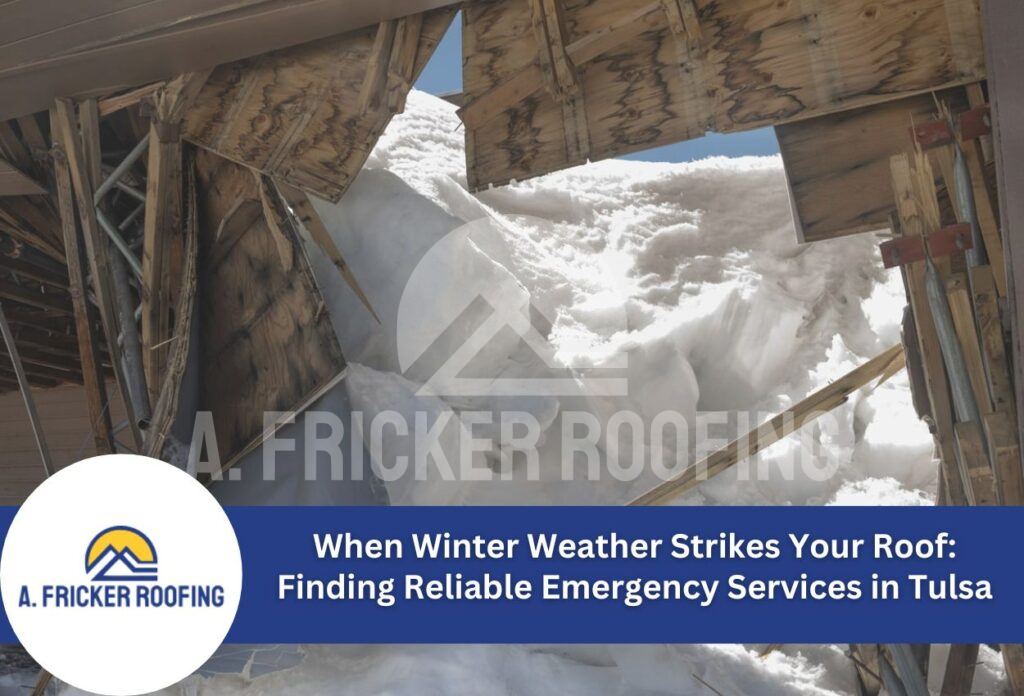
Winter weather can transform a minor roofing issue into a catastrophic emergency within hours. Ice dams, heavy snow, and freezing temperatures create conditions that require immediate professional help to prevent extensive property damage and potential safety hazards.
Emergency roofing services in winter become essential when homeowners face urgent situations like leaks caused by ice dam formation, structural concerns from the weight of excessive snow, or sudden damage caused by freeze-thaw cycles. These conditions require specialized knowledge and equipment that only qualified roofing contractors possess.
Tulsa homeowners encounter specific winter roofing challenges that can escalate quickly without proper attention. Storm damage roof restoration often becomes necessary after severe weather events, while cold weather roofing solutions must be implemented using materials and techniques designed for low-temperature applications. Understanding what counts as a true roofing emergency compared to routine maintenance helps property owners make informed decisions about when to seek immediate professional help and prevent minor issues from developing into expensive structural problems.
Recognizing Critical Signs That Demand Immediate Attention
Identifying emergency roofing situations requires understanding specific visual and structural indicators that signal immediate danger. Sagging sections of the roof could indicate excessive snow that may lead to collapse, while visible ice dam formations along gutters and eaves create conditions for significant water damage as temperatures fluctuate.
Interior warning signs often appear before exterior damage becomes obvious. Water stains on ceilings, dripping sounds within walls, or sudden increases in energy bills suggest the roof’s structural integrity is damaged, requiring urgent winter roof damage repair. While icicles may seem festive and part of the season, it’s actually signalling blocked drainage systems that can cause extensive structural problems.
Professional assessment becomes critical when assessing the weight of snow on a roof, particularly after heavy storms or prolonged winter weather. Structural indicators like cracking sounds, doors or windows that suddenly stick, and visible roof deformation require immediate ice dam removal and cold weather roofing solutions. These warning signs indicate conditions where delaying emergency roofing services in winter could result in complete roof failure, extensive interior damage, or safety hazards for occupants.
Ice Dam Formation and Professional Removal Techniques
Ice dams develop when heat from interior spaces melts snow on upper parts of the roof, creating runoff that refreezes at colder eaves and gutters. This cycle creates thick ice barriers that prevent proper drainage and force melted water under shingles, leading to interior leaks and structural damage throughout the roofing system.
Professional ice dam removal services utilize specialized techniques like applying steam and careful chipping methods that eliminate ice without damaging underlying roofing materials. These cold weather roofing solutions require specific equipment and expertise to safely remove ice while protecting shingles, gutters, and structural components from additional harm during the removal process.
Prevention is the best way to stop this type of damage in the first place, with the best way to prevent ice dams through strategies including proper attic insulation, adequate ventilation systems, and prompt snow removal before ice dam formation begins. Emergency roofing services in winter address both immediate ice dam removal and underlying causes that contribute to repeated formation. Professional contractors implement storm damage roof restoration techniques alongside winter roof damage repair methods that address current problems while establishing long-term prevention measures to protect roofing systems during future freeze-thaw cycles.
Assessing The Amount of Snow on Your Roof and Safe Removal
Determining whether the amount of snow on your roof is dangerous or not requires understanding that typical residential roofs can safely support 20 pounds per square foot, while wet snow weighs significantly more than powdery snow. Emergency roofing services in winter become necessary when snow depth exceeds 6 inches of wet snow or 12 inches of dry snow, creating structural stress that threatens roof integrity.
Professional snow removal techniques involve systematically reducing the weight on the roof using specialized tools like roof rakes, snow shovels designed for roofing applications, and steam equipment for ice removal. Qualified contractors begin removal from the edges of the roof and work systematically toward peak areas, ensuring there is even weight distribution throughout the removal process to prevent sudden weight shifts that could cause structural damage.
Assessing the weight of roof snow requires professionally evaluating snow density, accumulation patterns, and existing structural conditions. Cold weather roofing solutions include strategic removal methods that preserve roofing materials while reducing dangerous loads. Emergency contractors utilize safety equipment and proper techniques to avoid puncturing membranes or damaging shingles during winter repair operations, ensuring that snow removal procedures protect both structural integrity and long-term roofing system performance.
Storm Damage Evaluation and Solutions for Immediate Response
Rapid storm damage assessment requires systematic documentation procedures that capture the full extent of winter weather damage while preserving evidence needed for insurance claims and repairs. Professional evaluation begins with inspecting the exterior for missing or damaged shingles, compromised flashing, and structural deformation caused by wind, ice, or snow loads that threaten immediate safety.
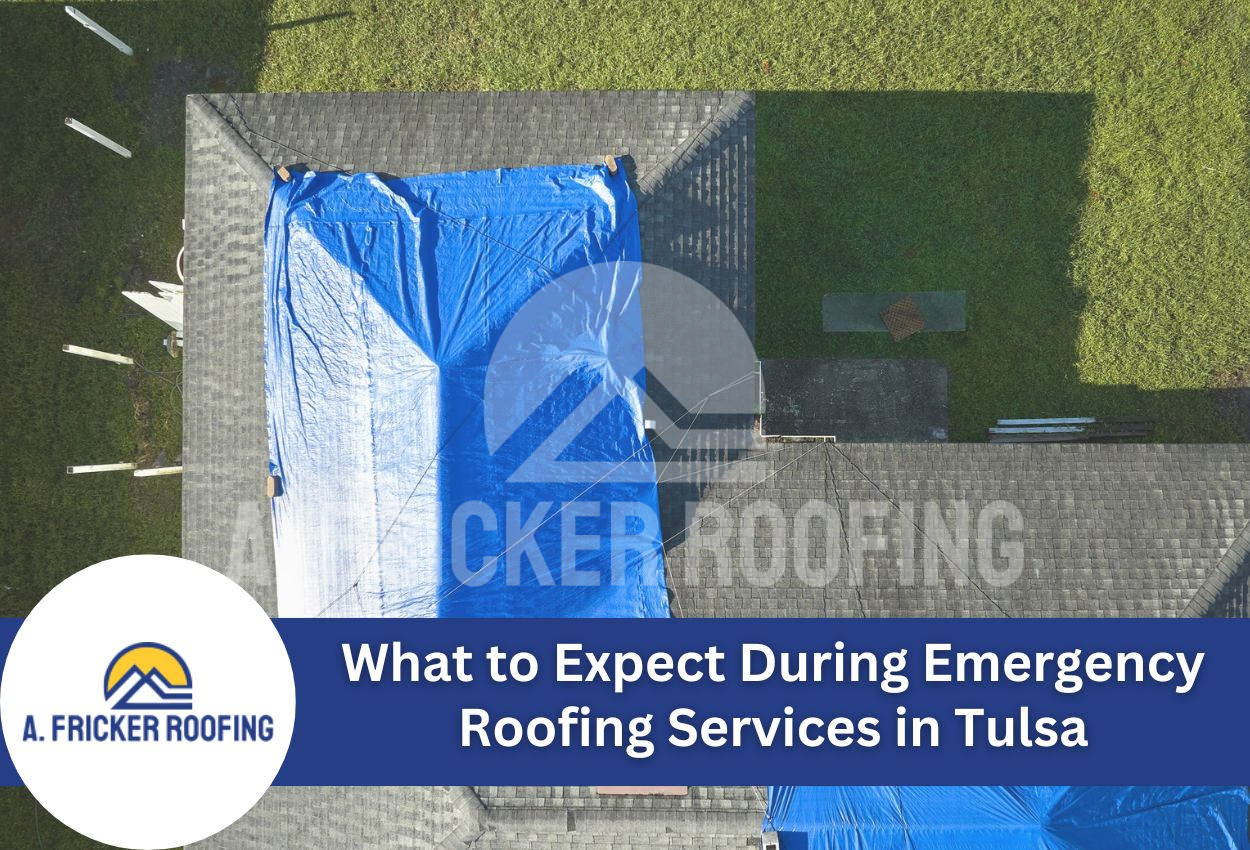
Emergency stabilization techniques protect damaged roofing systems from additional weather exposure while permanent repairs are arranged. Temporary measures include waterproof tarping secured with proper fastening methods, emergency patching of punctured membranes, and structural bracing for sagging sections. These cold weather roofing solutions prevent water infiltration and additional storm damage roof restoration needs.
Documentation procedures involve detailed photography, measuring the affected areas, and writing assessment reports that support insurance claims processing for winter roof damage repair services. Emergency roofing services in winter also prioritize immediate protection while gathering comprehensive damage information. Professional contractors coordinate with insurance companies and implement ice dam removal services alongside temporary stabilization measures, ensuring properties remain protected during claim processing and scheduling of permanent repair work that addresses all identified storm damage.
Cold Weather Repair Methods and Material Considerations
Effective roof repairs during freezing temperatures require specialized materials and techniques that perform reliably when traditional methods fail. Cold weather roofing solutions involve adhesives and sealants formulated for low-temperature application, modified installation procedures that account for material brittleness, and timing considerations that maximize weather windows for successful completion.
Temperature-sensitive materials like standard asphalt shingles become brittle in freezing conditions, requiring alternative approaches for winter roof damage repair projects. Professional contractors utilize flexible membranes, cold-applied mastics, and mechanical fastening systems that maintain effectiveness despite temperature extremes.
Material storage and preparation become another critical factor for successful cold weather installations. Roofing materials must be stored in hot environments and warmed before application to maintain flexibility and adhesive properties. Storm damage roof restoration during winter requires understanding material limitations, the best temperatures for working effectively, and weather monitoring to identify suitable conditions for permanent repairs. Professional contractors coordinate ice dam removal services with strategic repair schedules to maximize effectiveness while weather conditions permit safe and lasting repair work.
Selecting the Right Emergency Roofing Contractor for Winter Situations
Choosing qualified emergency roofing services in winter requires evaluating specific capabilities that distinguish experienced contractors from those unprepared for cold weather challenges. Essential qualifications include 24-hour availability, proven experience with winter roof damage repair, and specialized equipment designed for low-temperature operations including heated tools, cold-weather materials, and safety equipment rated for ice conditions.
Contractors equipped for winter emergencies ensure materials are stored correctly, possess steam equipment for ice dam removal services, and demonstrate experience assessing the weight of roof snow through previously documented projects. Proper licensing, comprehensive insurance coverage, and documented training in cold weather roofing solutions indicate contractors prepared for emergency winter situations requiring immediate professional response.
Critical things to ask professionals before hiring them for the job include requesting references from recent winter projects, verifying equipment availability for immediate deployment, and confirming experience with specific emergency situations like ice formation or storm damage roof restoration. Red flags include contractors lacking proper insurance documentation, demanding full payment upfront, or making unrealistic promises about completion timeframes during severe weather conditions. Qualified emergency roofing services in winter provide written estimates, maintain transparent communication about weather-related delays, and offer detailed explanations of proposed repair methods suitable for current temperature conditions.
Emergency Roofing Services in Winter for Tulsa Residents
When winter weather hits Tulsa, the risk of roof damage significantly increases, leaving many homeowners in urgent need of emergency repairs. A. Fricker Roofing and Waterproofing specializes in addressing severe winter roof damage promptly and efficiently. Whether you’re dealing with heavy snow loads that threaten the structural integrity of your roof, ice dams that can cause extensive water damage, or the aftermath of a harsh winter storm, our team is equipped to handle all your roofing emergencies.
Don’t wait for minor damage to escalate into a major problem. If you notice any signs of distress on your roof this winter, call A. Fricker Roofing and Waterproofing immediately at (918) 402-7167 for a rapid and reliable response.
Frequently Asked Questions
Got questions about your roof? We’ve got answers. From maintenance tips to insurance claims and repair timelines, our FAQ section covers the most common concerns homeowners have. Get informed and make confident decisions about protecting your home.
People Also Ask
How long do emergency roofing services in winter typically take to respond during severe weather?
Most qualified emergency roofing contractors aim to respond within 2 to 4 hours during active winter storms, though response times may extend to 6 to 8 hours during widespread emergencies affecting multiple properties. Contractors prioritize life-threatening situations like potential roof collapse or major interior flooding first. Weather conditions like blizzards or ice storms may delay arrival but qualified services maintain communication about realistic timeframes.
What happens if my roof emergency occurs during a weekend or holiday in winter?
True emergency roofing services operate 24/7 throughout winter months, including weekends and holidays, since emergencies don’t follow business schedules. However, material suppliers may be closed, potentially limiting permanent repair options until business hours resume. Emergency contractors focus on immediate stabilization and temporary protection measures that prevent further damage until comprehensive repairs can be completed.
Can emergency winter roof repairs be performed during active snowfall or freezing rain?
Emergency roofing services can perform critical stabilization work during light snow, but active freezing rain or heavy snowfall creates unsafe working conditions that require waiting for weather breaks. Contractors may install emergency tarping or temporary coverings from inside attic spaces when exterior work is impossible. Life-threatening situations may warrant calculated risks with enhanced safety protocols and specialized equipment.
Related Articles
-
 September 5, 2025What to Expect During Emergency Roofing Services in TulsaRoof damage? Learn what to expect from emergency roofing services, from response times to repairs.
 -
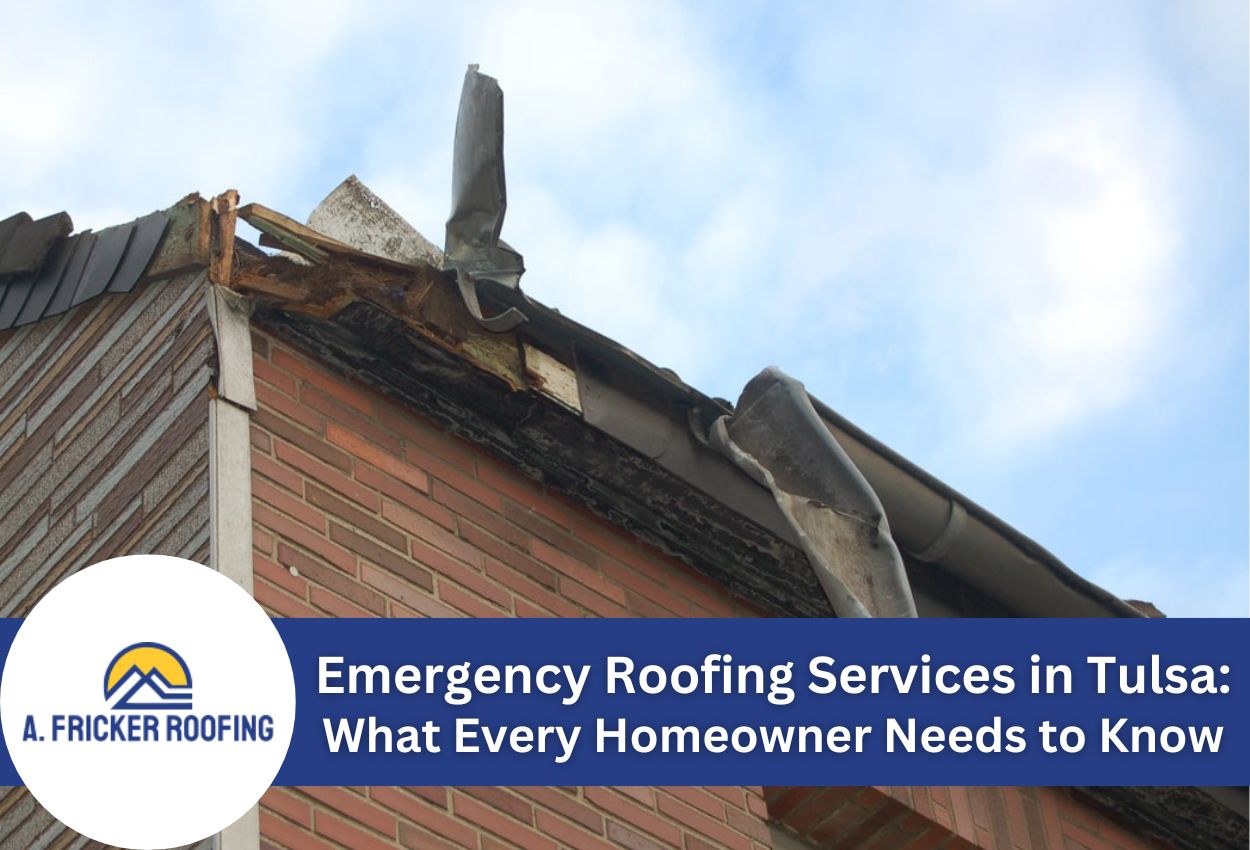 July 14, 2026Emergency Roofing Services in Tulsa, OK: What to Do When Your Roof Fails FastRoof damaged by Tulsa's storms? Discover what emergency roofing services cover, who to call, what it costs, and how to act fast. Get help now.
 -
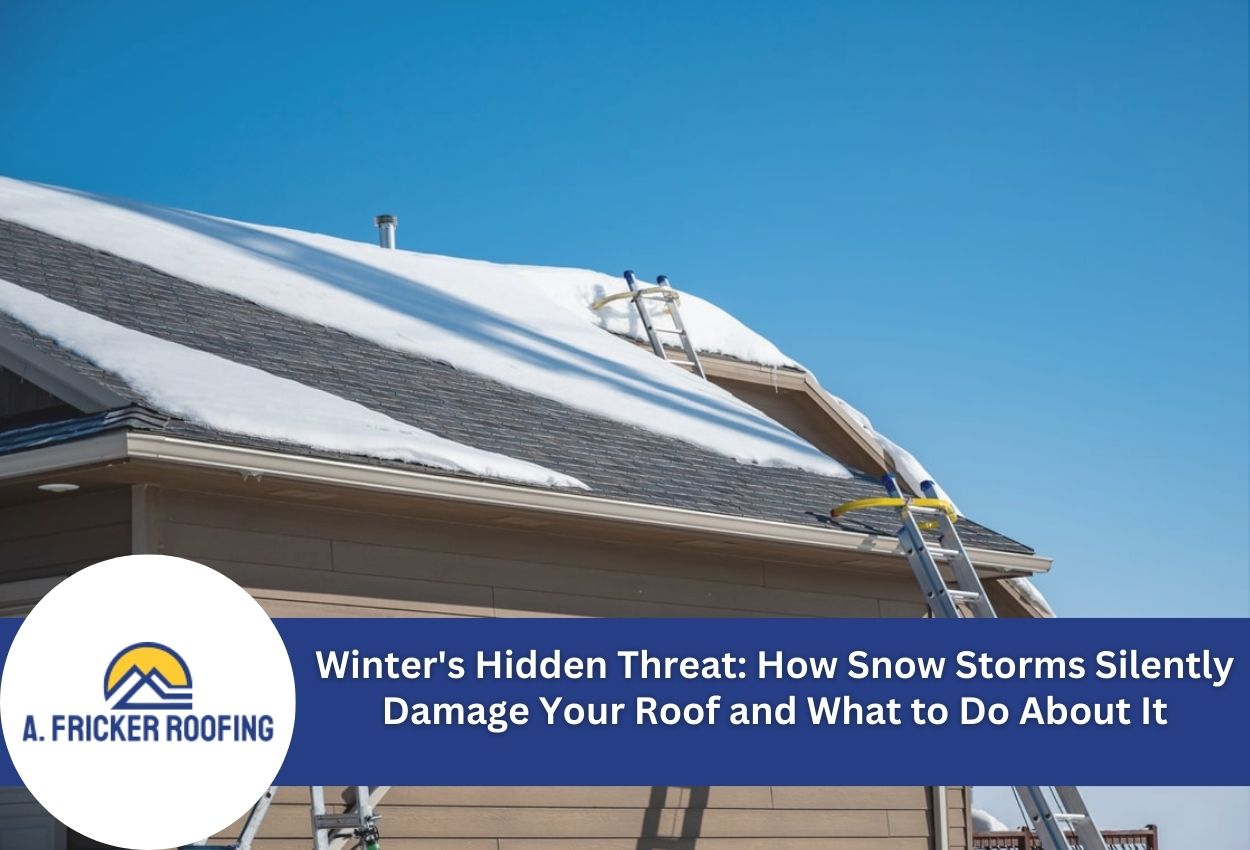 February 9, 2026Winter’s Hidden Threat: How Snow Storms Silently Damage Your RoofCould snow be quietly damaging your roof? Spot the warning signs early and rely on professional storm damage repair to safeguard your home.
Protect Your Home with Expert Roofing
Don’t wait for leaks or storm damage to cause costly repairs. Our experienced roofing team provides fast, reliable service, high-quality materials, and lasting results. Ensure your home stays safe, secure, and looking great—contact us today for a free estimate.