
How Stone-Coated Metal Roofs Can Slash Your Energy Bills and Keep Your Home Comfortable Year-Round
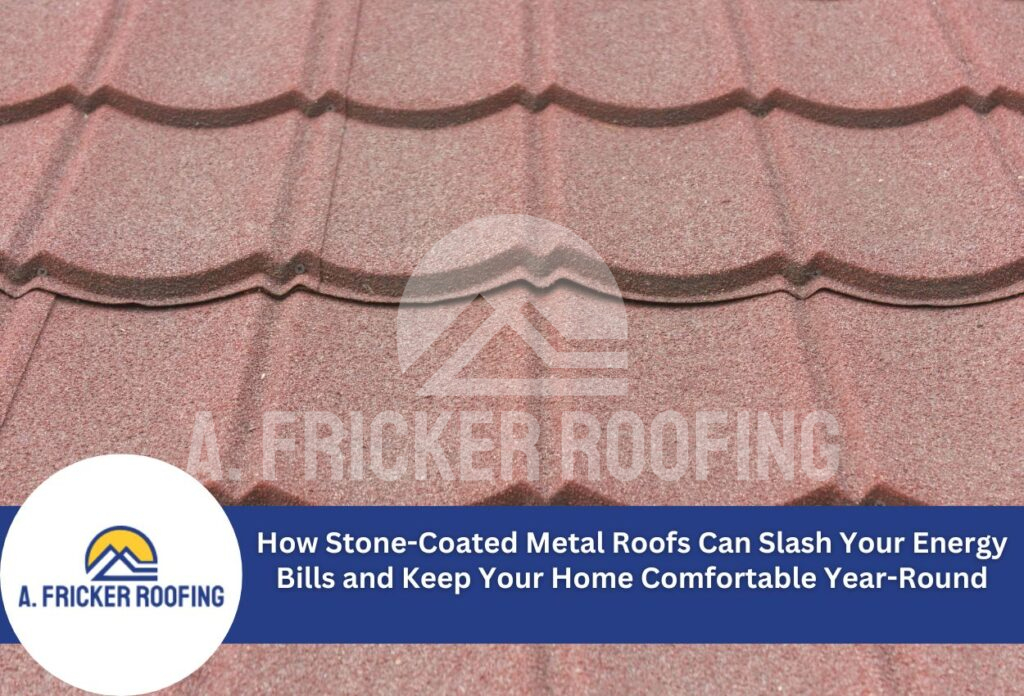
Stone-coated metal roofs are a significant advancement in energy-saving roofing materials, offering homeowners a powerful solution to reduce energy consumption while maintaining optimal indoor comfort. These innovative roofing systems have both the strength of metal and the look of traditional materials, creating a superior barrier against heat transfer and energy loss.
Traditional asphalt shingles absorb and retain heat, forcing air conditioning systems to work harder during hot summer months. Stone-coated metal roofs operate differently through advanced reflective coatings that deflect solar radiation away from the home. This cool roof technology prevents excessive heat buildup in attics and living spaces, resulting in measurably lower cooling costs.
The benefits of stone-coated metal extend beyond simple reflection. The multi-layer construction creates an effective thermal barrier that maintains consistent indoor temperatures throughout seasonal changes. During winter, these roofs help retain heated air inside the home, reducing heating system usage.
When comparing metal roof vs. asphalt shingle efficiency, stone-coated metal systems consistently outperform traditional materials when it comes to energy conservation. The stone coating provides additional insulation properties while the metal substrate offers superior longevity and weather resistance. This combination delivers immediate energy savings and long-term performance that standard roofing materials cannot match.
The Science Behind Stone-Coated Metal’s Superior Insulation
Understanding how stone-coated metal roof energy efficiency works requires examining the sophisticated thermal barrier created by the roof’s layers. The stone coating acts as the first line of defense, providing additional mass to slow temperature fluctuations between outdoor and indoor environments. The multi-layer approach of stone-coated metal systems creates redundant barriers against heat penetration, resulting in more stable indoor temperatures and reduced strain on heating and cooling equipment throughout the year.
The metal substrate beneath the stone coating plays a crucial role in insulation through its low thermal mass properties. Unlike asphalt shingles that absorb and store heat, metal surfaces quickly release absorbed thermal energy, preventing heat accumulation that typically penetrates into attic spaces and living areas below.
Air gaps between the metal panels and roof decking create an additional insulation layer that significantly improves overall thermal performance. This ventilation space allows hot air to circulate and escape, maintaining cooler temperatures at the roof surface. The combination of reflective surfaces and strategic air movement makes metal roofs exceptionally effective at preventing unwanted heat transfer.
Reflective Properties That Work Like a Shield Against Heat
The reflective capabilities of stone-coated metal roofs create a powerful defense against solar heat gain through the strategic combination of stone granules and metal surfaces. The stone coating contains specially selected minerals that naturally deflect infrared radiation, while the underlying metal substrate reflects visible light wavelengths back into the atmosphere.
This dual-action approach maximizes the benefits of this roofing system by preventing thermal energy from penetrating the roof assembly. The stone granules scatter incoming solar rays across multiple angles, reducing the concentration of heat on any single surface area. Meanwhile, the metal base layer maintains low surface temperatures through rapid heat dissipation, creating a barrier that keeps attic spaces significantly cooler.
Color selection also plays a critical role in optimizing the metal roof’s performance during summer. Lighter-colored stone coatings reflect more solar radiation than darker alternatives, though advanced coating technologies now allow even darker shades to achieve impressive heat reflection rates. These specialized coatings incorporate reflective particles that maintain aesthetic appeal while maximizing energy savings.
The superior heat reflection demonstrates clear advantages when evaluating metal roof vs. asphalt shingle efficiency. Where traditional asphalt materials absorb solar energy, stone-coated metal systems can reflect incoming heat, resulting in measurable reductions in cooling system operation and energy consumption during hot weather.
Comparing Energy Performance Against Traditional Roofing Materials
When evaluating the energy efficiency of stone-coated metal roofs against conventional asphalt shingles, the performance differences are immediately apparent. Standard asphalt shingles can reach surface temperatures exceeding 150 degrees Fahrenheit during peak summer conditions, while stone-coated metal systems typically maintain surface temperatures 20 to 40 degrees cooler under identical weather conditions.
The insulation and reflectivity of stone-coated metal also create a significant advantage in energy consumption patterns compared to traditional roofing materials. Homes with conventional asphalt shingles often experience attic temperatures that exceed 100 degrees Fahrenheit, forcing air conditioning systems to operate continuously during hot weather. Stone-coated metal roofs with reflective coatings maintain attic temperatures closer to outdoor ambient levels, reducing cooling system runtime.
Beyond basic asphalt shingles, stone-coated metal systems also compete favorably against other energy-saving roofing materials, including clay tiles, slate, and composite shingles. The cool roof technology incorporated in these systems provides superior thermal regulation compared to traditional materials that rely primarily on mass for insulation properties.
The metal roof vs. asphalt shingle efficiency comparison extends to winter performance, where stone-coated metal systems help retain indoor heat more effectively than standard materials. The reduced thermal bridging and improved air sealing capabilities of metal roofs contribute to lower heating costs during cold months, making these systems effective year-round energy conservation solutions for homeowners.
Cool Roof Technology Integration and Advanced Features
Modern stone-coated metal roofs incorporate sophisticated cool roof principles that deliver maximum energy savings through integrated technological systems. These advanced features work together to create comprehensive thermal management that significantly outperforms traditional roofing materials in both summer and winter.
The integration of metal cool roof technology begins with specialized coatings that are engineered to maximize solar reflectance while maintaining durability against weather exposure. These coatings include infrared-reflective pigments that remain effective even in darker color options, allowing homeowners to achieve desired aesthetic results without compromising on energy efficiency.
Advanced ventilation systems built into stone-coated metal installations create active thermal management through strategic air circulation. These features enhance energy efficiency by promoting continuous airflow that removes heat buildup and maintains an optimal temperature differential between roof surfaces and indoor spaces.
Additional technological elements include thermal break components that prevent heat conduction through fastening points and structural connections. These design innovations eliminate common thermal bridging issues found in conventional roofing systems, resulting in consistent performance across the entire roof.
When comparing metal roof vs. other materials, stone-coated metal systems demonstrate superior energy conservation through multiple integrated technologies working simultaneously rather than relying on single thermal management approaches.
Real-World Energy Savings for Oklahoma Homeowners
Oklahoma’s challenging climate creates unique demands on home energy systems, with scorching summers reaching over 100 degrees Fahrenheit and fluctuating seasonal temperatures that test roofing materials. Stone-coated metal roof energy efficiency is even more valuable in these conditions, where traditional asphalt shingles often fail to provide adequate thermal protection during extreme weather.
As mentioned above, intense heat, which is common in Oklahoma, causes conventional roofing materials to absorb massive amounts of solar energy, creating attic temperatures that can exceed 100 degrees Fahrenheit. These systems maintain significantly cooler surface temperatures through reflective metal roof coatings that deflect heat rather than absorbing it into the home structure.
During Oklahoma’s spring and fall seasons, energy-saving roofing materials like stone-coated metal provide consistent thermal regulation that reduces heating and cooling system cycling. The rapid temperature changes typical of Oklahoma’s weather patterns put tremendous strain on HVAC equipment, but metal roofs help moderate these fluctuations by maintaining more stable indoor temperatures.
The performance advantage becomes clear when examining metal roofs vs. other materials in Oklahoma’s climate. While asphalt shingles create heat islands that force air conditioning systems to run continuously, stone-coated metal roofs reduce cooling system runtime by preventing excessive thermal stress on heating and cooling components.
Making the Right Investment for Long-Term Energy Benefits
Evaluating stone-coated metal roof energy efficiency requires considering your specific home and local climate to determine if it provides a significant return on investment. Factors such as home square footage, current insulation levels, existing HVAC system age, and roof orientation significantly impact the potential energy savings achievable through roofing material upgrades.
Home age also plays a crucial role, as older homes with outdated insulation systems typically experience greater energy improvements compared to newer constructions with modern thermal barriers. The existing roof condition, attic ventilation adequacy, and current energy consumption patterns provide baseline data necessary for calculating realistic efficiency improvements.
Professional installation is critical for maximizing the roof’s performance and achieving projected energy savings. Experienced roofing contractors understand proper ventilation, thermal break installation, and fastening techniques that ensure optimal system function. Improper installation can significantly reduce the efficiency advantages that distinguish metal roofs from other options.
Working with qualified local contractors ensures compliance with building codes and manufacturer specifications while providing access to quality materials and installation techniques. Professional contractors can evaluate existing roof structures, recommend appropriate insulation upgrades, and coordinate installation timing to minimize disruption while maximizing energy efficiency for long-term home comfort and energy conservation.
Discover the Energy-Saving Benefits of Stone-Coated Metal Roofs with A. Fricker Roofing and Waterproofing
If you’re a homeowner in Tulsa looking to significantly cut down on your energy bills while enhancing the comfort of your home, consider the superior energy efficiency of stone-coated metal roofs. A. Fricker Roofing and Waterproofing specializes in the installation of these advanced roofing systems, designed to keep your home more comfortable year-round.
Stone-coated metal roofs not only offer exceptional insulation benefits but also feature reflective properties that effectively deflect solar heat away from your home. This means less strain on your air conditioning and heating systems, leading to lower energy consumption and substantial cost savings over time.
Ready to make a smart investment in your home’s energy efficiency and comfort? Call A. Fricker Roofing and Waterproofing today at (918) 402-7167 to explore your options and get a professional assessment tailored to your specific needs.
Related Articles
-
 February 23, 2026Are Slate Roofs Energy Efficient? What Homeowners Need to KnowAre slate roofs energy efficient in Tulsa? Learn how slate insulation lowers energy bills year-round.
 -
 September 1, 2025Transform Your Home with Unique Roofing Features That Set Your Property ApartLooking for standout roofing? Discover custom designs and innovative materials that boost value and curb appeal.
 -
 May 25, 2025The Ultimate Guide: Stone-Coated Steel vs. Regular Metal RoofsStone-coated steel vs. metal roofs compare durability, style, and weather resistance to find the best fit for your Tulsa home.
Protect Your Home with Expert Roofing
Don’t wait for leaks or storm damage to cause costly repairs. Our experienced roofing team provides fast, reliable service, high-quality materials, and lasting results. Ensure your home stays safe, secure, and looking great—contact us today for a free estimate.