

Leading Roofing Contractor in Oklahoma
Commercial Roof Inspection in Glenpool, OK
4.9 Stars - Based on 1106 User Reviews
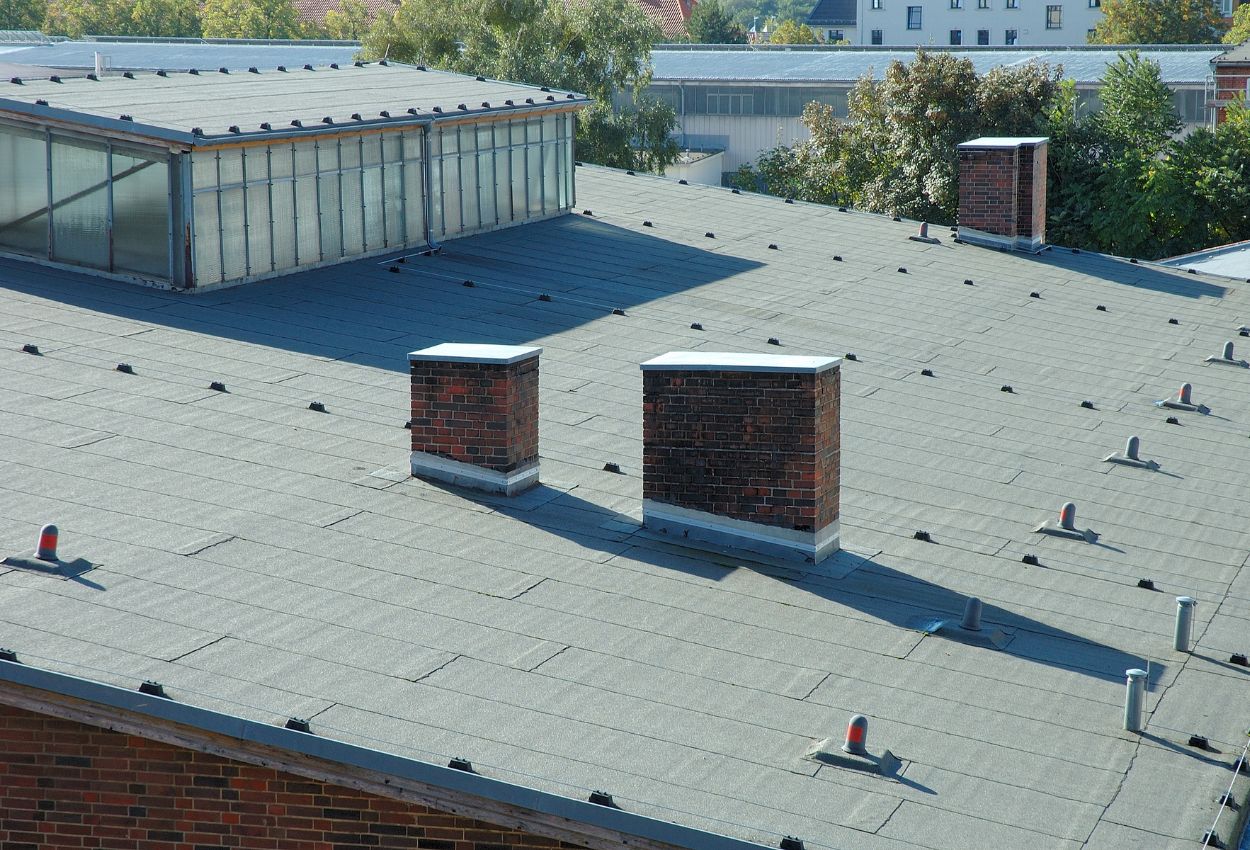
Glenpool sits in a part of Oklahoma where the weather does not give commercial roofs much of a break. Summer brings intense heat and UV exposure that degrade roofing membranes over time, while fast-moving cold fronts can drop temperatures from mild to freezing within a single day. That rapid temperature change causes repeated cycles of freezing and refreezing that work against seams, flashing, and drainage systems in ways that are easy to miss until water is already inside your facility. Add in the hailstorms and straight-line winds the region sees regularly, and the case for routine commercial roof inspections becomes difficult to argue against.
What makes Glenpool particularly demanding for building owners is the sheer variety of weather stresses hitting the same roof throughout the year. A membrane that holds up through summer can be compromised by a hailstorm in October, and drainage systems slowed by debris become a real problem once freezing rain and ice arrive. These are not isolated storms. They layer on top of each other, and small issues that go unnoticed tend to grow into expensive repairs. A complete commercial roof inspection gives you a clear picture of where your roof stands before those small issues escalate.
A. Fricker Roofing and Waterproofing works with property managers and building owners across Glenpool who need a contractor that understands these local conditions. A thorough inspection looks at everything from rooftop gaps and drainage to membrane condition and structural integrity, giving you accurate information to protect your property and plan maintenance before problems take hold.
How Our Commercial Roof Inspection Works in Glenpool, OK
A commercial roof inspection provides the most value when each stage of the process is clearly understood before the work begins. Here is how the inspection progresses from the initial scheduling through the final recommendations.
- Step 1: Inspection Preparation and Access Planning
The process starts by arranging an inspection time that fits your facility's schedule while limiting interruptions to normal operations. Roof access, interior entry requirements, and available maintenance records are reviewed beforehand. Previous inspection and repair records, when available, can provide helpful context for evaluating the roof's current condition. - Step 2: Interior and Roofing System Evaluation
The inspection begins inside the building by examining ceilings and other accessible areas for signs of leaks or active leaks. The evaluation then continues across the roof, where the membrane, seams, flashing, gaps, drainage components, roof-mounted equipment, and exposed metal details are systematically examined for deterioration, movement, corrosion, or other visible deficiencies. - Step 3: Condition Documentation and Reporting
Inspection findings are recorded using written observations and photographs to create a detailed record of the roof's condition. Each documented item includes its location, observed condition, and significance, providing a useful reference for maintenance planning, future inspections, or repair decisions. - Step 4: Findings Review and Maintenance Recommendations
After the inspection is complete, the results are presented in clear, practical language. Areas requiring maintenance or repair are identified along with the reasons they warrant attention, while components that remain in satisfactory condition are also noted. Recommendations are based entirely on the observed condition of the roof. - Step 5: Ongoing Maintenance Planning
The inspection concludes with a discussion of the appropriate next steps. Whether the roof requires repairs, routine monitoring, or no immediate action, guidance is provided on maintenance priorities and the timing of future inspections, so informed decisions can be made about the property's roofing system.
What a Complete Roof Inspection Covers in Glenpool, OK
A commercial roof inspection covers more ground than most building owners expect. From the ceiling below to the membrane above, every part of the system gets a careful look to catch problems before they turn into expensive repairs.
- Interior Ceiling and Roof Deck Condition: Water stains, discoloration, or soft spots on interior ceilings help pinpoint where leaks are entering the building before we trace them to the source on the roof.
- Membrane, Seams, and Surface Condition: We inspect the full surface of the roof for punctures, bubbling, cracking, or seam separation that leaves the building vulnerable to leaks.
- Rooftop Gaps and Flashing: HVAC units, pipe vents, and skylights are among the most common leak points on any commercial roof. We inspect the surrounding sealant and flashing for failure or improper fit.
- Drainage Systems: Internal drains, scuppers, and gutters get checked for debris buildup, biological growth like moss or algae, and anything slowing the flow of water off the roof.
- Metal Parts and Fasteners: High winds in this region can loosen panel edges and fasteners. We look for corrosion, displacement, or lifting that signals a problem.
- Structural Integrity: Sagging roof decking or uneven support near roof edges and gaps can indicate hidden moisture damage that goes beyond surface repairs.
Glenpool's unpredictable weather means no two inspections look the same. Scheduling one after severe hail or high winds gives you the most accurate picture of where your roof stands.
Freeze-Thaw Damage to Seams and Flashings
Glenpool's fast-moving cold fronts can push temperatures from mild to freezing within hours, and that rapid cycling puts real stress on seam edges and flashing connections over time. A targeted review of these areas catches early separation or cracking before water finds its way in during the next round of freezing rain or ice accumulation.
UV and Heat Degradation of Roofing Membranes
Summers in Glenpool bring intense heat and consistent UV exposure that gradually break down membrane surfaces in ways that are not always obvious from ground level. Inspecting for brittleness, surface erosion, and granule loss helps you understand how much useful life remains in your membrane before replacement becomes the only option.
Post-Storm Hail and Wind Damage Review
Straight-line winds and large hail are common enough in this region that a single storm can strip granules, crack ridge caps, or shift roofing materials without leaving obvious signs from the outside. Scheduling an inspection specifically after severe weather gives you a current, accurate record of any new damage before it adds up with the next round of weather.
Building Code and Maintenance Record Review
Inspectors cross-reference current roof conditions against available maintenance records and local building code requirements to flag anything that could affect long-term performance or warranty standing. This gives property managers a clear picture of where the roof stands from a compliance and planning standpoint, not just from a condition standpoint.
Schedule a Commercial Roof Inspection in Glenpool, OK
Glenpool's weather puts commercial roofs through a full range of conditions across every season, from summer heat that gradually wears down membrane surfaces to winter ice and rapid temperature changes that stress seams and flashing. Staying ahead of that wear with a routine inspection helps you protect your property, extend the life of your roof, and avoid the kind of repair bills that come from problems left unaddressed too long. Fall is a particularly practical time to schedule, giving you a clear picture of where things stand before winter conditions make access and repairs more difficult.
A. Fricker Roofing and Waterproofing serves property owners in Glenpool and is ready to take a complete, honest look at your commercial roof and give you information you can actually use. Whether you are planning routine maintenance or following up after a stretch of rough weather, reach out when you are ready, and we will get you scheduled.
Frequently Asked Questions
Got questions about your roof? We’ve got answers. From maintenance tips to insurance claims and repair timelines, our FAQ section covers the most common concerns homeowners have. Get informed and make confident decisions about protecting your home.
How does Glenpool's freezing rain affect commercial roofs differently than snow would?
Freezing rain is harder on commercial roofs than snow because it bonds directly to membrane surfaces, seams, and drainage openings instead of sitting loosely on top. When temperatures hover right around freezing, ice accumulates and refreezes repeatedly, which forces its way into small gaps and puts stress on flashing connections and seam edges in ways that snow simply does not. Flat and low-slope commercial roofs are especially vulnerable because ice has nowhere to slide off, so it sits and works at any weakness it finds.
What should I have ready before a commercial roof inspector arrives at my facility?
Having your maintenance records, any previous inspection reports, and warranty documentation on hand gives the inspector a much clearer picture of how the roof has performed over time. It also helps identify whether recurring issues in the same spot point to a deeper structural problem rather than a surface-level repair. If you have noticed any ceiling stains or damp areas inside, jot down where they are and roughly when you first noticed them, since that information helps the inspector trace a leak back to its source more efficiently.
Can a commercial roof that looks fine from the ground still have serious problems?
Absolutely, and this is one of the most common misunderstandings building owners have. Hidden moisture trapped beneath a membrane can saturate insulation and weaken the roof deck for months before any visible sign appears inside the building. Sagging roof decking, seam separation, and drainage problems that develop after hail or wind storms are often invisible from ground level and even from a casual walkover. A systematic, close-range inspection of the full surface of the roof is the only reliable way to find issues that have not yet announced themselves with a water stain on your ceiling.
We love hearing from our customers!
You don’t have to listen to what we say about the company, check out what others are saying!


schedule a consultation
Contact Form
allow us to earn your business!
